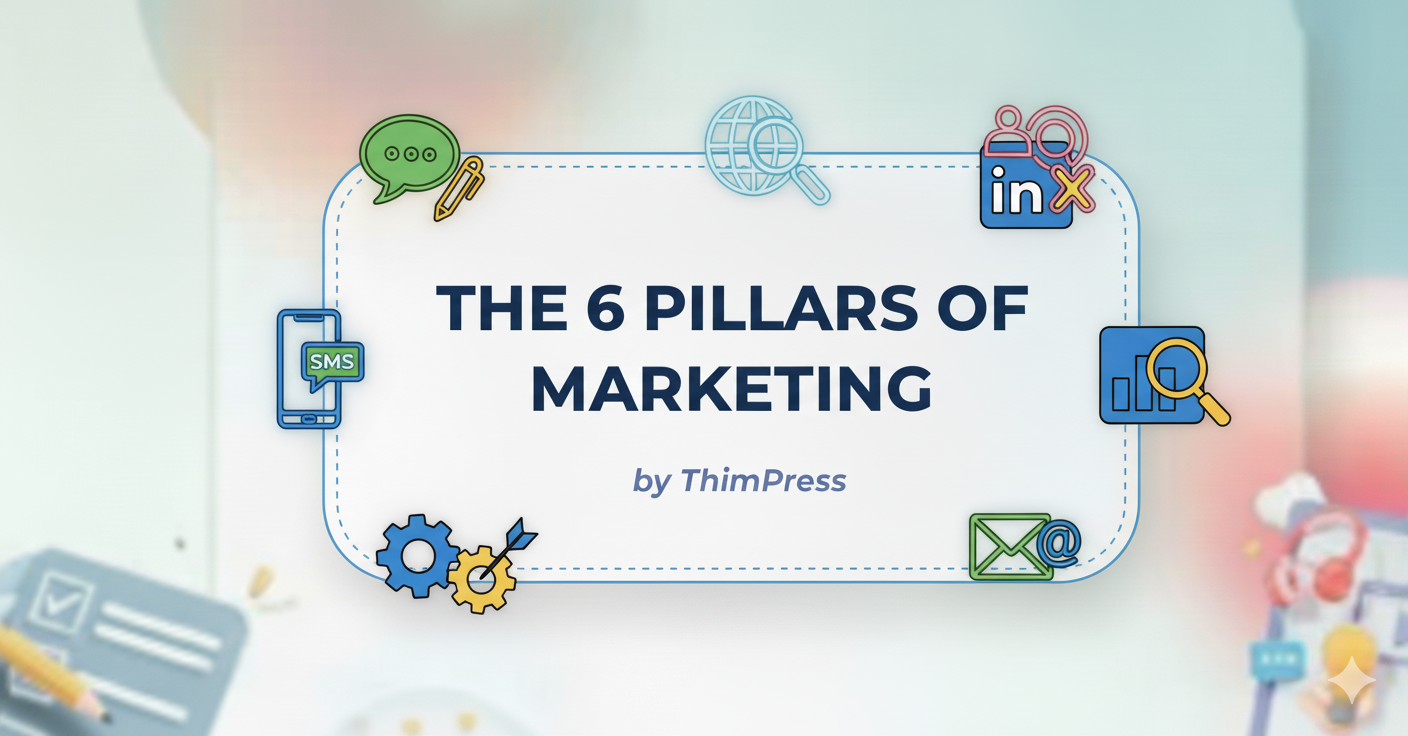
Marketers often discuss the six main pillars: content, SMS, SEO, social media, email (plus ads), and analytics. These aren’t passing trends or gimmicks, but proven channels that help a brand grow and shape its long-term visibility and trust online.
Let’s delve a little deeper and examine how each one fits and can be implemented.
1. Content Marketing
Good content isn’t just about selling. It’s about helping.
The brands that stand out are those keen to share ideas, advice, or provide small moments that resonate. It can be as simple as a blog post that answers a question or a short video that explains how something works. Have you ever come across a post that made you stop and think, “Yes, that actually makes sense.”?
Content doesn’t necessarily need to be polished. It does, however, need to sound like it came from a person and not a faceless entity. People can feel that, and that’s what makes them pay attention. And, in the age of increasingly AI-generated material, authenticity is going to play a far more important role than ever before.
2. SMS Marketing
It’s easy for a brand to get lost in the noise. Emails pile up, social media posts disappear within minutes (or aren’t shown at all, thanks to increasingly complex algorithms), and people rarely see half the messages companies or businesses send out.
That’s where SMS can make a real difference. Texts reach people directly, no algorithms or crowded inboxes needed. Most are read within minutes, making them one of the simplest and most reliable ways to connect. Just consider the fact that just about everyone you know (including yourself, dear reader) has a smartphone on their person or at the very least in their near vicinity.
The hard part is doing it at scale without sounding automated. Many businesses manage their text campaigns using dedicated messaging tools such as ClickSend or similar platforms. These tools make it easier to send updates, reminders, or time-sensitive promos. Whether it’s just one or many different numbers, they allow for the tone to remain friendly and personal.
It’s quick, easy to use, and most importantly, it gets seen. When every other channel feels crowded, a single text can cut through the digital noise of the everyday. You’re far better off using dedicated SMS services and tools, than trying to send them manually (just imagine if you’ve had a thousand customers or more).
3. SEO
You can write the best and most helpful content in the world, but if no one can find it, it’s as good as invisible. People are constantly searching for something, and if you’re not showing up, chances are, someone else is.
Search engine and AI optimization isn’t about “tricking” Google, but about providing clarity. A clean, easy-to-navigate site, with fast loading times, and relevant content are the building blocks of a quality result. Write like a human, keep things clear, and both search engines and readers will understand you.
The rewards are slow to build, but the positive effect lasts. Much like the classic “word of mouth”, if you help people when they’re looking for something, you will leave a lasting impression. And they might just be likely to recommend your services to someone else.
4. Social Media
Communication through social media should feel like a conversation, not a pitch. People scroll through their feeds quickly, and the only posts that make them stop are the ones that sound genuine or are visually interesting.
For example, the people at the team communication app Slack understood that early on. Instead of running big, loud campaigns, they started sharing posts from happy users on their “Wall of Love.” It was just real people sharing what they liked about the product. And that honesty did more than most direct advertising ever could. It was, again, the classic “word of mouth” effect, but in a digital space.
As simple as it is, that’s the secret to good social media. Listen, reply, and be a part of the community.
5. Email and Ads
Email isn’t outdated; it’s a reliable tool. It gives you a direct line to people who already know you, without an algorithm getting in the way.
You can use it to share updates, send thank-you messages, or provide loyal customers with early access to new products or features. It’s about reminding them that you’re still around and that they are valued.
Ads, meanwhile, bring new eyes to the table. They help people discover you for the first time. However, it needs to feel like an invitation, not an interruption.
Amazon Business pulled this off with its “Buy Smarter, Dream Bigger” campaign. They ran simple, clear digital ads and paired them with emails that addressed professionals directly who weren’t aware Amazon had a B2B platform. The message wasn’t pushy, but actually helpful. And it worked. Awareness went up, as did engagement.
That’s the goal. Stay in touch with the people who know you, and keep reaching out to the ones who don’t, yet.
6. Analytics
You can’t fix that which you can’t measure. Or, rather, you can’t fix something if you don’t know what the “problem” might be. Why does one post generate more likes than others? Is it the time of day that it was posted? Was it the choice of image (or thumbnail) along with the carefully tailored copy underneath? This is where analytics come into play, helping you see what’s working and what isn’t.
Of course, you don’t need to track everything. Start small by looking at which posts people read, which emails they open, and where engagement drops off. Patterns will begin to show.
Perhaps your videos perform better than articles. Or your SMS campaign gets more clicks than the emails. That’s all useful insight. You can use it to adjust your tone, your timing, or even the platforms you interact with. The easiest (and most proven) way to do your analysis is by the use of analytics software such as Databox, SEMRush, DashThis, Google Analytics, and similar.
Each of these pillars is straightforward, but the real power comes from taking these tenets and combining them into a customer-centric strategy.
And the truth is, there’s no single formula. The key is to stay consistent, honest, and be authentic. And when people feel that, they’ll stick around. And this is how your brand grows, one person at a time.