Visual communication is rapidly shifting from polished, machine-generated perfection to raw, human-centric authenticity. Analyzing the ultimate design trends graphic provides a clear, actionable roadmap for crafting compelling visual narratives this year. A delicate interplay between hyper-detailed technical layouts and organic, hand-drawn elements defines the modern creative landscape.
Whether developing a WordPress educational platform, orchestrating an email marketing campaign, or launching localized services, these visual shifts dictate how audiences connect with brands. Staying ahead requires a deep understanding of the overarching trends in graphic design that shape digital experiences.
Eduma – Education WordPress Theme
We provide an amazing WordPress theme with fast and responsive designs. Let’s find out!
Summary of 2026 Visual Movements
Before exploring the detailed architectural breakdowns of each aesthetic, review this comprehensive summary table. It categorizes the dominant design trends of the year, offering a quick reference guide for strategic implementation.
| Trend Category | Core Aesthetic Elements | Best Application Areas |
| The Human Touch | Wobbly lines, earthy textures, visible imperfections, naive doodles. | Organic branding, food packaging, community-driven projects. |
| Maximalist Typography | Oversized letterforms, bubbly fonts, overlapping type collage. | Bold social media campaigns, event posters, creative agency identities. |
| Controlled Chaos | Asymmetry, editorial zine-style layouts, overlapping visual elements. | Youth culture brands, digital lookbooks, dynamic web interfaces. |
| Technical & Data Art | Blueprints, surveillance UI overlays, exploded product views, grids. | Tech startups, SaaS products, detailed consumer electronics. |
| Sensory Immersion | 3D puffy textures, grainy blur, hyper-realistic surrealism. | Virtual reality projects, wellness brands, high-impact digital ads. |
| Nostalgia Revived | Frutiger Aero (2000s tech), Kid Core, Signal Graphics (90s TV). | Software interfaces, streetwear apparel, millennial/Gen-Z marketing. |
| Narrative Objects | Trinket display grids, mixed-media collage, local cultural motifs. | Lifestyle branding, heritage campaigns, localized digital platforms. |
1. The Human Touch: Naive and Organic Imperfection
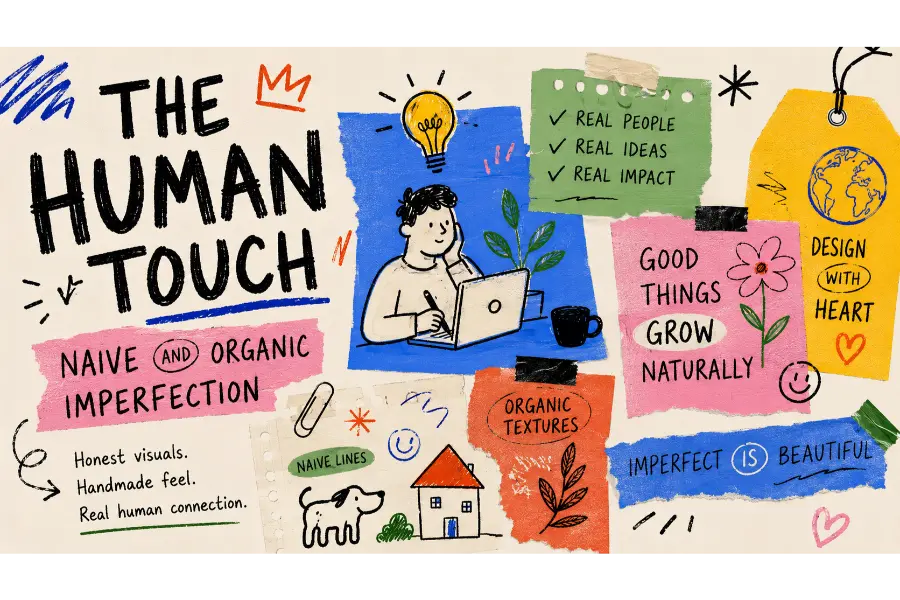
After years of consuming ultra-smooth, algorithmic imagery, audiences actively seek visuals that prove human involvement. This reaction against extreme polish has given rise to naive and organic visual systems. It remains one of the most vital trends in graphic design because it prioritizes honesty over flawless execution.
- Naive Style: Embraces wobbly, childlike doodles often found in notebook margins. The linework is intentionally scratchy, fills are uneven, and forms remain simple.
- Organic Elements: Introduces hand-rendered textures, letterpress inspirations, and earthy materials like sand or bark.
By deliberately incorporating imperfections, brands project warmth and approachability. For platforms relying on community trust—such as online learning portals or local WordPress service directories—utilizing low-contrast, minimal forms with a handwritten touch significantly reduces digital fatigue.
2. Bold Typography and Type Collage
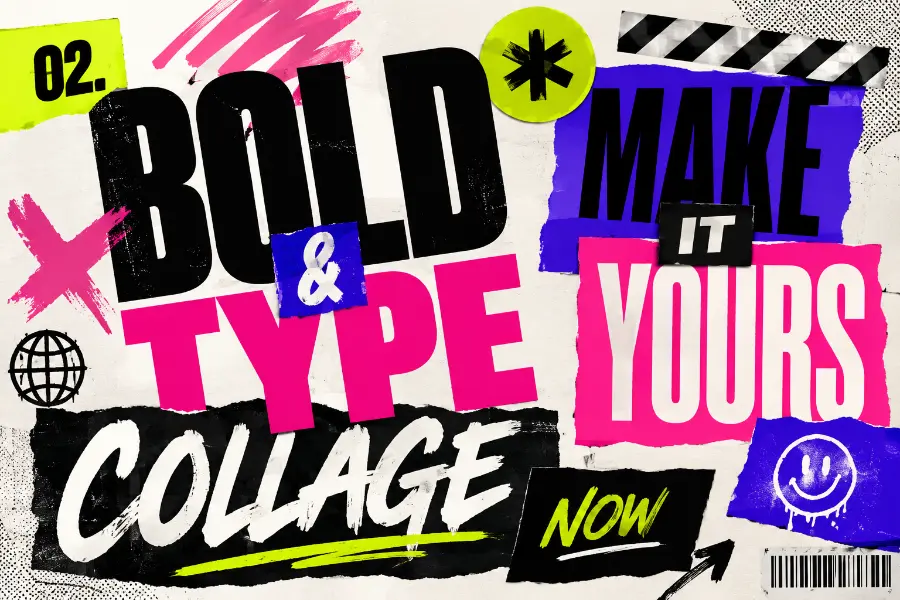
Typography no longer serves merely as a background vehicle for delivering text; it now acts as the primary visual artwork holding the entire composition together. Shifting away from uniform, corporate fonts that dominated the previous decade, the current design trends graphic design landscape enthusiastically embraces excess, volume, and absurdity in lettering.
Expect to see oversized sans-serif fonts dominating the hero sections of websites, accompanied by bubbly, puffy letterforms that demand immediate attention. However, the true innovation lies within the “Type Collage.” This specific technique blends multiple font families, varying weights, contrasting colors, and clashing styles into a single, cohesive graphic statement.
Strategic Benefits of Type Collage:
- Immediate Energy: It generates an instant burst of visual energy that static imagery often fails to achieve.
- Emotional Setting: It establishes the exact brand mood before the target audience even processes the actual words.
- Scroll-Stopping Power: It breaks through the immense noise on fast-paced, algorithm-driven social media feeds.
This typographic boldness strongly echoes the raw aesthetic of DIY punk zines and early internet poster art. It appeals powerfully to younger demographics and progressive brands that value eclectic, maximalist expression over rigid corporate identity guidelines.
3. Maximalism and Structured Chaos
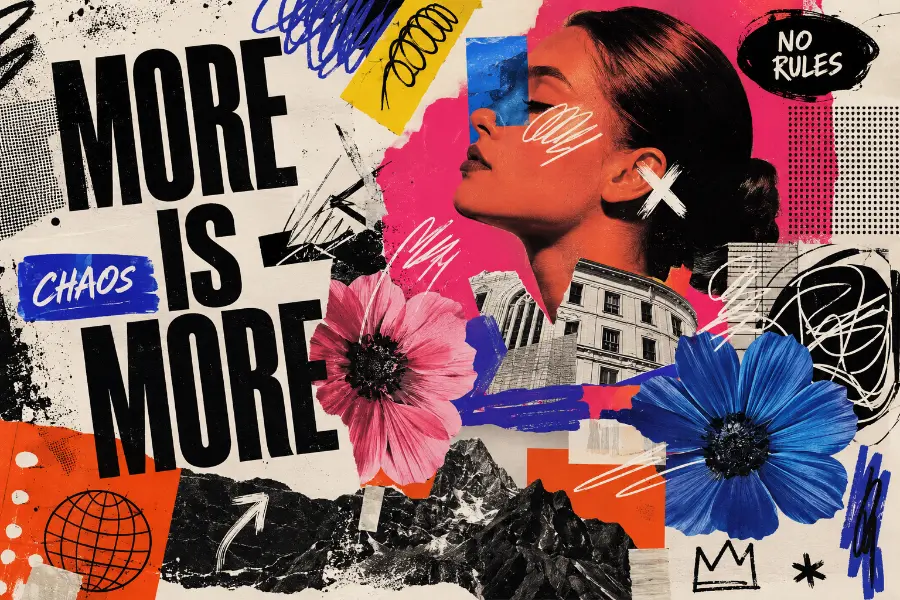
The philosophy of “more is more” continues to expand. Minimalist, sterile grids are quickly being replaced by unpredictable layouts and controlled chaos. By examining the latest design trends graphic, it becomes evident that overlapping backgrounds, vibrant color clashes, and heavy layering serve as industry standards.
Freeform, storytelling layouts adopt an editorial style. These compositions utilize asymmetry to create dynamic rhythm. Elements do not sit neatly inside distinct boxes; instead, imagery, typography, and background textures bleed into one another.
When structuring a comprehensive WordPress blog or an expansive digital portfolio, introducing controlled chaos into landing page banners drastically increases visual dwell time. It forces the viewer’s eye to wander and discover, turning the consumption of content into an active, engaging experience.
4. Technical Aesthetics and Blueprint Formats
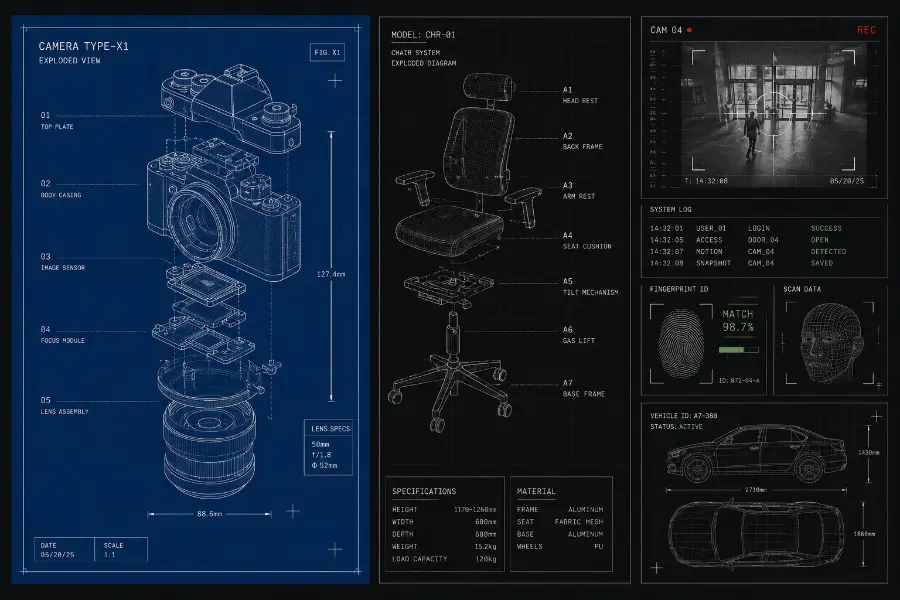
Contrasting with organic movements, a rising fascination with hyper-detailed, technical aesthetics exists. This involves utilizing graphic design tips tricks borrowed directly from engineering, architecture, and security systems.
Blueprint visuals take ordinary subjects and deconstruct them. Products are presented with exploded views, precise measurements, and annotated arrows. This over-explaining style transforms everyday items into highly engineered, considered icons.
Alongside blueprints, surveillance interfaces gain traction. This involves applying UI elements extracted from CCTV feeds, biometric scanners, and system logs. Characterized by strict grids, utilitarian typography, and monochrome palettes, this style communicates precision and data flow. Applying these structured, tech-forward layouts helps communicate authority and functional value.
5. Immersive, Sensory, and Surreal Experiences
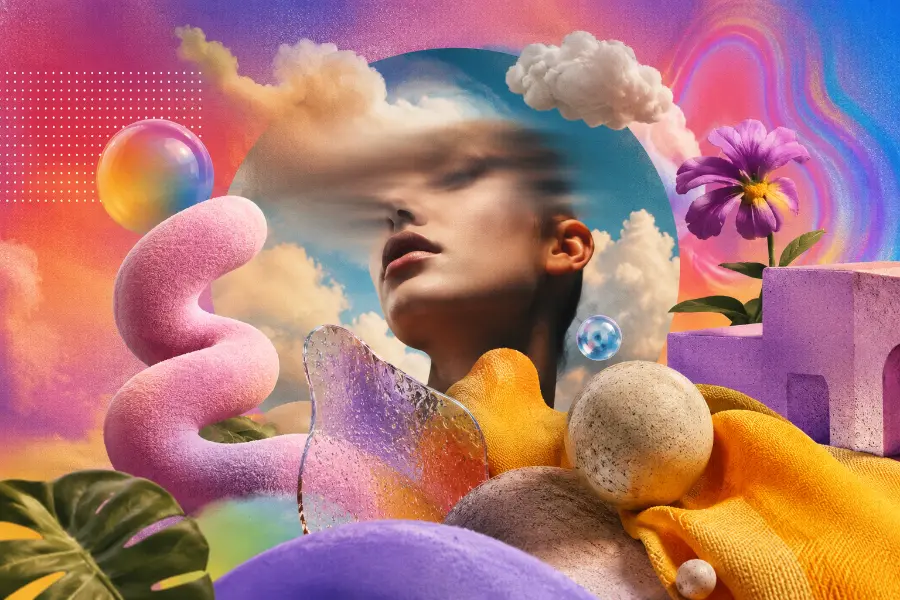
Digital platforms remain inherently flat, but the current design trends graphic design movements actively attempt to mimic physical touch, sound, and motion. Harnessing the power of tactile experiences acts as a primary driver for user engagement.
- Tactile Textures: Visuals incorporate puffy, soft, and squishy textures that make the viewer feel as though they could reach out and touch the screen.
- Surreal Imagery: Designers place hyper-realistic objects into dreamlike digital collages, employing unexpected juxtapositions and exaggerated scales.
- Grainy Blur: Combining soft-focus effects with heavy textured overlays generates visuals that feel cinematic and deeply emotional.
These elements provide a dreamy alternative to the hyper-sharp imagery that currently saturates the internet, allowing brands to showcase a playful, imaginative side.
6. The Evolution of Nostalgia
Nostalgia remains an incredibly powerful marketing force, but its temporal focus has shifted drastically toward the late 1990s and early 2000s. A prominent, undeniable example within the major trends in graphic design is the massive resurgence of the “Frutiger Aero” aesthetic.
Frutiger Aero and Technological Optimism
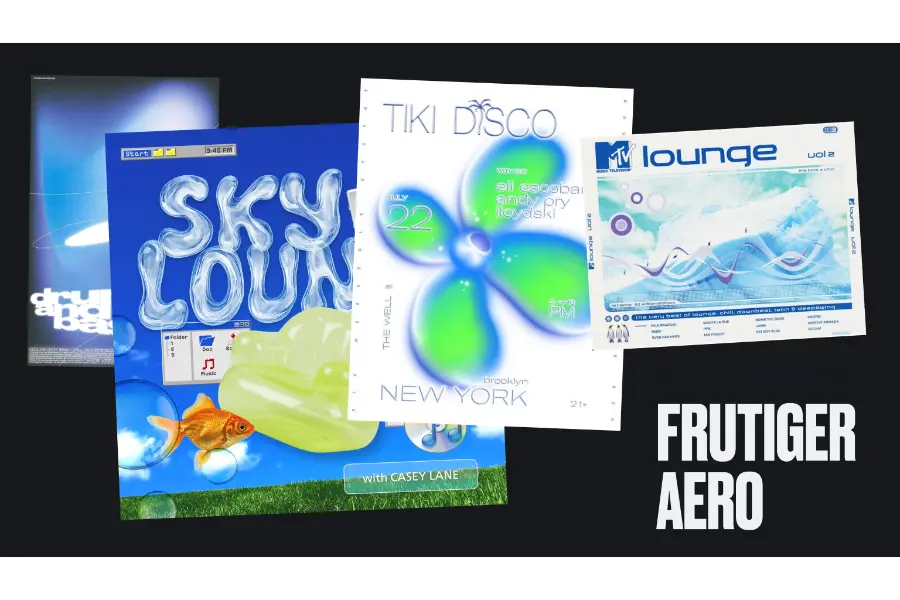
This specific aesthetic revives the glossy, techno-utopian look of early 2000s operating systems. It prominently features shiny aqua gradients, bright lens flares, floating transparent globes, auroras, and glass-like interface buttons. Born during an era of rapid internet expansion, Frutiger Aero signals pure optimism, cleanliness, and a hopeful, digital-first future. It provides a comforting visual language for users overwhelmed by modern technological complexities.
Signal Graphics and 90s Broadcast Energy
Simultaneously, “Signal Graphics” violently revive the chaotic, high-speed energy of 1990s television broadcasting and music channel branding. This style involves rapidly animated geometric shapes, mutating 3D objects, and hyper-saturated colors that perfectly mimic early CGI experiments and VHS tracking glitches. It is loud, unapologetically interruptive, and highly effective for capturing attention in saturated digital environments.
Kid Core and Inner Child Expression
Furthermore, “Kid Core” utilizes basic, universal childhood visuals—such as wax crayons, bright primary colors, sticker-like shapes, and smiley faces—to evoke deep generational nostalgia. By utilizing highly effective graphic design tips tricks surrounding fundamental color psychology, creators trigger deep, comforting emotional responses, successfully connecting modern digital products with the safety of childhood memories.
7. Storytelling Through Objects and Cultural Flavor
Visual storytelling is becoming increasingly localized, stepping away from the homogenized, one-size-fits-all approach of global corporate branding. In a highly saturated international market, proudly showcasing localized experiences helps digital content stand out significantly.
Utilizing intricate patterns rooted in specific regional heritage, documentary-style candid street photography, and typography heavily inspired by local historical traditions creates an undeniable sense of place and authenticity. This approach proves highly effective for hospitality brands, regional food products, and localized digital platforms seeking to build fierce community loyalty.
The Trinket Aesthetic Methodology
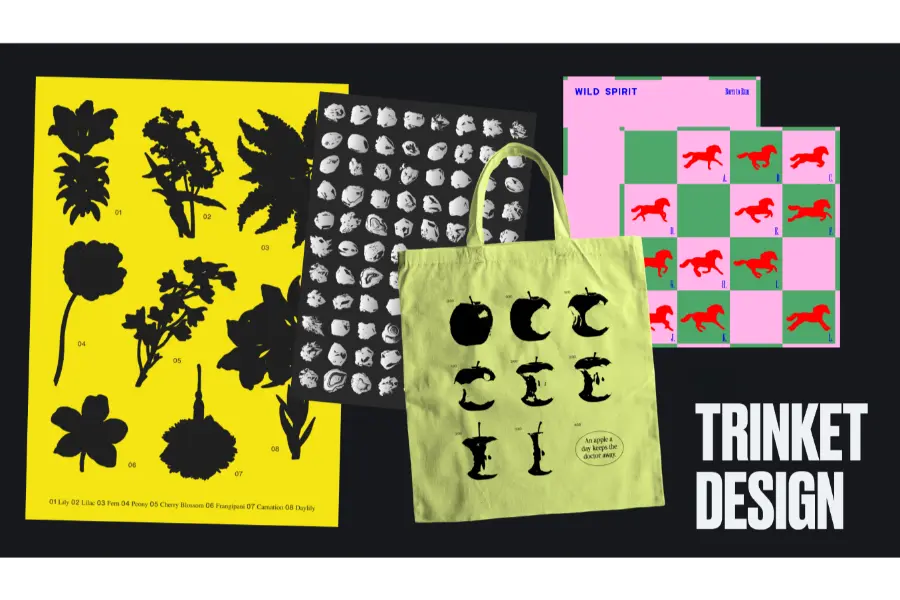
Another profoundly powerful storytelling method emerging prominently from the latest design trends graphic analysis is the “Trinket” aesthetic. This intricate layout methodology involves meticulously arranging small, everyday objects—such as vintage coins, seashells, transit tickets, or dried pressed flowers—into neat, museum-style display grids.
It serves as an intimate visual scrapbook, intimately allowing a brand or creator to communicate complex identity and values without utilizing excessive written copy. When thoughtfully combined with mixed-media digital collages that incorporate vintage postal stamps, hand-drawn doodles, and realistic brush strokes, this heavily layered approach fosters a narrative depth that deeply resonates with audiences actively seeking authentic lifestyle connections.
How to Implement These Movements Across Platforms
Understanding these visual shifts is only the first step; strategic execution determines true success. Here is how modern professionals apply these concepts across various mediums.
Website Architecture and WordPress Integration
When updating a WordPress site, avoid applying every trend simultaneously. Instead, utilize the “Grainy Blur” technique for background hero sections to establish a cinematic mood without negatively impacting text readability. Implement “Maximalist Typography” for H1 and H2 headers to instantly grab attention upon page load. Ensure that complex overlapping elements are built using lightweight CSS and optimized WebP images to maintain lightning-fast page loading speeds, preserving vital search engine rankings.
Social Media Campaigns and Content Creation
Social media platforms demand high-energy disruption. Utilize “Signal Graphics” for short-form video content, employing rapid cuts, saturated colors, and 3D mutating shapes to stop users from swiping past. For static carousel posts, the “Type Collage” method proves exceptionally effective at delivering educational information in a visually thrilling, highly shareable format.
Print Media, Packaging, and Physical Branding
Physical products benefit immensely from “The Human Touch.” Incorporate earthy materials, recycled paper textures, and naive illustrations onto packaging labels. If budget allows, utilize physical embossing techniques to replicate the 3D puffy textures seen in digital spaces, providing consumers with a surprising and delightful tactile experience when they pick up the product.
Conclusion
Adapting successfully to the overarching design trends graphic of 2026 requires a masterful balancing act between advanced technological precision and raw, unfiltered human authenticity.
As global visual communication continues to rapidly evolve, strategically integrating these specific design trends—ranging seamlessly from maximalist typography and cinematic grainy blurs to nostalgic 2000s aesthetics—ensures that digital content remains highly relevant, deeply engaging, and emotionally resonant.
By thoughtfully implementing these actionable graphic design tips tricks, modern creators, agencies, and businesses can systematically build much stronger connections with their target audiences.
Frequently Asked Questions (FAQs)
1. Why are naive, hand-drawn elements becoming so incredibly popular in the latest design trends graphic?
The rapid proliferation of artificial intelligence generators has made flawless, hyper-polished imagery incredibly cheap and common. To fiercely differentiate themselves and definitively prove human authenticity, creators intentionally use wobbly lines, visible brush strokes, and naive illustrations. This specific approach feels inherently honest, highly vulnerable, and practically impossible for a machine to replicate with the exact same genuine emotional warmth and intent.
2. How can professionals apply these trends in graphic design to corporate websites?
While chaotic layouts might not suit strict corporate environments, adopting the “Blueprint” aesthetic or “Grainy Blur” styles works well. Blueprint visuals offer a structured, analytical look perfect for tech sectors. Grainy blurs provide a sophisticated background that adds depth without overwhelming the interface.
3. What is the most effective way to utilize current design trends graphic design on social media?
Social media requires high-impact visuals. Type Collage is highly recommended for these platforms. Mixing oversized typography with vibrant color clashes creates instant visual energy. Combining this with 90s-inspired “Signal Graphics” ensures posts stand out.
4. Are there specific graphic design tips tricks for achieving the Frutiger Aero aesthetic?
To accurately capture the Frutiger Aero look, focus on glossy, translucent textures and aquatic color palettes. Utilize gradient meshes to create a shiny, glass-like finish on buttons. Incorporate subtle lens flares and clean sans-serif typography to mimic early 2000s software interfaces.
5. Do maximalist design trends negatively impact website loading speeds?
Maximalism relies on overlapping elements, but it does not require massive file sizes. Achieve this look using scalable vector graphics (SVGs), optimized WebP images, and CSS-based layering. If the technical backend is optimized, maximalist aesthetics will not harm search engine visibility.
Read more: User Experience Design Basics: A Complete Guide
Contact US | ThimPress:
Website: https://thimpress.com/
Fanpage: https://www.facebook.com/ThimPress
YouTube: https://www.youtube.com/c/ThimPressDesign
Twitter (X): https://x.com/thimpress_com