A clear privacy policy tells people what personal information your business collects, why you need it, how you use or share it, and what choices they have. The document should reflect your real data practices, not the practices of the company whose policy you found in a search result.
This guide includes a sample privacy policy for a typical US small-business website, plus instructions for adapting it to an online store, membership site, or mobile app. You will also learn the difference between a privacy policy, a privacy notice, a privacy statement, and terms and conditions.
Eduma – Education WordPress Theme
We provide an amazing WordPress theme with fast and responsive designs. Let’s find out!
Important: This privacy policy template is general educational information, not legal advice. Privacy requirements depend on your location, audience, industry, data, business size, and technology. Have a qualified attorney review the finished policy, especially if you handle children’s data, health or financial information, precise location, biometrics, or data from multiple jurisdictions.
Sample Privacy Policy: Quick Copy-and-Customize Version
Replace every item in brackets, delete clauses that do not apply, and add any material practice that is missing. Do not publish placeholders. The detailed section later in this guide explains each clause and the decisions behind it.
Privacy Policy
Effective date: [Month Day, Year]
Last updated: [Month Day, Year]
[Business Legal Name] (“[Short Business Name],” “we,” “us,” or “our”) operates [Website URL] and [identify related app or service, if applicable]. This Privacy Policy explains how we collect, use, disclose, and protect personal information when you visit our website, use our services, make a purchase, create an account, or otherwise interact with us.
1. Personal Information We Collect
Depending on how you interact with us, we may collect:
- Contact information, such as your name, email address, phone number, and mailing address.
- Account information, such as your username, password credentials, preferences, and account activity.
- Transaction information, such as products or services purchased, order details, billing and shipping information, and payment status. [State whether payment card data is handled directly by a payment processor.]
- Communications, including messages, support requests, survey responses, reviews, and other information you provide.
- Device and usage information, such as IP address, browser type, device identifiers, operating system, referring pages, pages viewed, links clicked, and approximate location derived from IP address.
- Cookie and similar technology data, as described in the “Cookies and Tracking Technologies” section below.
2. How We Collect Personal Information
We collect information directly from you, automatically when you use our services, and from service providers or business partners. [Identify material third-party sources, such as an advertising partner, social login provider, marketplace, or publicly available source.]
3. How We Use Personal Information
We may use personal information to provide and improve our services; process transactions; create and maintain accounts; respond to questions; send service messages; personalize content; analyze performance; detect fraud and protect security; comply with law; enforce our agreements; and send marketing communications where permitted. [Add or remove purposes to match actual operations.]
4. How We Disclose Personal Information
We may disclose personal information to vendors that perform services for us, such as hosting, analytics, payment processing, order fulfillment, email delivery, customer support, and security. We may also disclose information when required by law, to protect rights and safety, in connection with a merger or business transfer, or with your direction or consent. [Identify relevant categories of recipients and explain any sale, sharing, or targeted-advertising practices required by applicable law.]
5. Cookies and Tracking Technologies
We and our service providers may use cookies, pixels, local storage, and similar technologies to operate the website, remember preferences, understand usage, measure campaigns, and [deliver or measure advertising, if applicable]. You can manage available choices through [cookie settings link] and your browser settings. Blocking some technologies may affect website functionality.
6. Your Privacy Choices and Rights
You may unsubscribe from promotional email by using the link in the message. Depending on where you live, you may also have rights to request access, correction, deletion, or portability of personal information; receive information about our data practices; opt out of certain sales, sharing, targeted advertising, or profiling; limit certain uses of sensitive personal information; or appeal a decision. To submit a request, contact us at [privacy email or request form]. We may verify your identity before completing a request. [Add authorized-agent and appeal instructions where applicable.]
7. Data Retention
We retain personal information for as long as reasonably necessary for the purposes described in this policy, including providing services, maintaining business and tax records, resolving disputes, enforcing agreements, and meeting legal obligations. Retention periods vary based on the type of information and the reason we collected it. [Add specific periods or criteria where required.]
8. Data Security
We use reasonable administrative, technical, and physical safeguards designed to protect personal information. No method of transmission or storage is completely secure, so we cannot guarantee absolute security.
9. Children’s Privacy
Our services are not directed to children under [applicable age], and we do not knowingly collect personal information from children in a manner not permitted by law. If you believe a child has provided personal information, contact us at [privacy email]. [Replace this section with a compliant children’s privacy notice if your service is directed to children or knowingly collects their information.]
10. International Data Transfers
If you access our services from outside [Business Country], your information may be transferred to and processed in countries with different data-protection laws. Where required, we use appropriate safeguards for these transfers. [Describe applicable transfer mechanism or remove this section only if it is genuinely irrelevant.]
11. Third-Party Links and Services
Our services may link to third-party websites or services. Their privacy practices are governed by their own notices, not this Privacy Policy. Review those notices before providing personal information.
12. Changes to This Privacy Policy
We may update this Privacy Policy from time to time. We will post the updated version and revise the “Last updated” date. We will provide additional notice when required by law or when changes are material.
13. Contact Us
Questions or privacy requests can be sent to:
[Business Legal Name]
[Postal Address]
[Privacy Email]
[Phone Number, if applicable]
[Privacy Request Form URL, if applicable]
What Is a Privacy Policy?
A privacy policy is a public statement describing an organization’s handling of personal information. It should tell a visitor what is collected, where it comes from, why it is used, who receives it, how long it is kept, and how the person can exercise available choices or rights.
In everyday website use, privacy policy, privacy notice, and privacy statement often refer to the same public-facing document. Some legal frameworks or organizations use “notice” more precisely for information delivered at or before collection. For example, a short message beside an email field may be a just-in-time privacy notice that links to the full policy.
A good privacy statement example is readable and specific. The UK Information Commissioner’s Office says organizations should explain matters such as purposes, retention, sharing, and individual rights in their privacy information.
Its guidance on how to write a privacy notice is also useful to US businesses serving UK users. For a simpler drafting workflow, see ThimPress’s guide on how to write a basic privacy policy.
Privacy Policy vs. Privacy Notice vs. Terms and Conditions
| Document | Main purpose | Typical content |
|---|---|---|
| Privacy policy or privacy statement | Explains data practices | Collection, use, disclosure, retention, security, rights, contact details |
| Privacy notice | Provides privacy information, sometimes at a specific collection point | Purpose, legal basis where relevant, choices, link to complete policy |
| Terms and conditions | Sets contractual rules for using a site or service | Acceptable use, accounts, payments, intellectual property, disclaimers, termination, disputes |
| Cookie notice or policy | Explains cookies and related technologies | Cookie categories, purposes, providers, duration, consent choices |
A privacy policy terms of service combination is possible, but separating the documents is usually clearer. People should not have to search through payment, copyright, and dispute clauses to understand data collection. A footer can link to each document independently. ThimPress’s collection of website footer examples and its guide to HTML footer templates show common ways to make important pages consistently accessible.
For reference, you can review how an established WordPress business separates its own policy and contractual terms:
ThimPress’s Privacy PolicyThimPress Terms & ConditionsDo not copy either document. It reflects another company’s services, vendors, policies, and risk allocation. Your terms and conditions and privacy policy must match your own business.
Does a US Website Need a Privacy Policy?
The United States does not rely on one universal privacy statute covering every business in the same way. Instead, obligations can arise from federal consumer-protection authority, sector-specific rules, children’s privacy law, and a growing set of state privacy laws. Contractual requirements from analytics providers, advertising networks, app stores, and payment services may also require disclosures.
The Federal Trade Commission’s privacy and security guidance emphasizes that businesses should be clear about their practices and honor the privacy promises they make. California’s official CCPA guidance explains that covered businesses must describe consumer rights and how to exercise them. Eligibility and exact obligations require a fact-specific analysis, so do not assume that inserting “CCPA” into a generic template creates compliance.
A US-based website may also receive visitors from the European Economic Area or the United Kingdom. The European Commission’s information for businesses and organizations provides an official overview of GDPR responsibilities. Whether those rules apply to a particular business depends on its activities and should be assessed with counsel.
How to Customize This Privacy Policy Template
1. Map the Data You Actually Collect
List every collection point: contact forms, account registration, checkout, newsletter forms, comments, reviews, analytics, ad pixels, support tools, chat widgets, social login, embedded video, surveys, and offline events. For each, record the data fields, source, purpose, recipient, storage location, retention rule, and whether the information relates to a child or is sensitive.
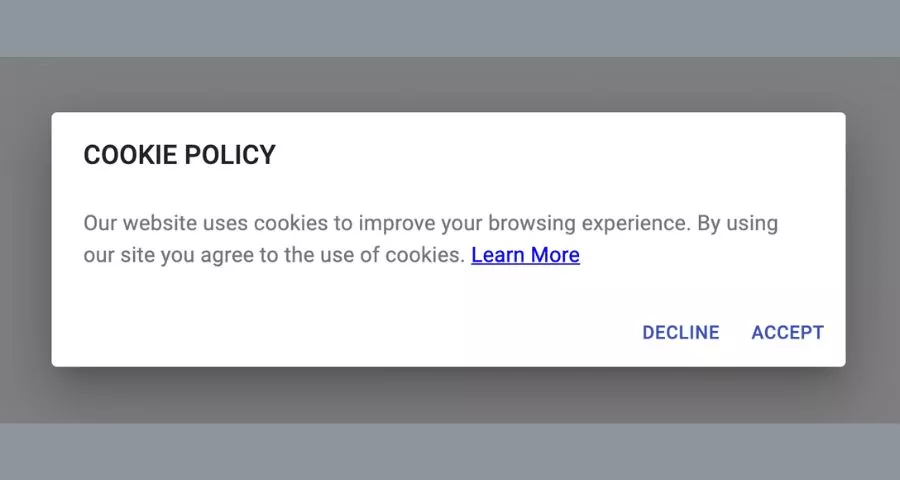
On WordPress, check active plugins and theme integrations rather than relying on memory. Cookies may come from analytics, forms, ecommerce, login sessions, personalization, or media embeds. ThimPress explains common categories in What Is a Cookie in WordPress?.
2. Identify Every Purpose and Recipient
“We use data to improve services” is too vague when you also use it to fulfill orders, prevent fraud, send promotions, create advertising audiences, or train a model. Explain material purposes in plain language. Then identify categories of recipients, such as cloud hosting providers, payment processors, delivery companies, email platforms, analytics services, fraud tools, and professional advisors.
Review vendor settings as well as contracts. A tool configured for basic measurement may handle data differently when advertising, session recording, or cross-site features are enabled. Your privacy notice needs to describe the configuration you use, not every possible capability of the vendor.
3. Write Rights and Choices That Work
Do not promise a right without creating an operational process. Decide who receives requests, how identity will be verified, where the request is logged, how systems and vendors are searched, who approves the response, and how deadlines are tracked. If an opt-out link or cookie preference center is offered, test it from a clean browser and confirm that the relevant technologies respond.
A consent banner is not a substitute for a policy, and a policy is not a substitute for a working consent mechanism where one is required. Sites using compatible ThimPress themes can review the GDPR cookie consent feature in Thim-Core as one implementation option.
4. Set Defensible Retention Rules
Avoid saying that all information is kept “as long as necessary” without knowing what necessity means. Different records need different treatment. An abandoned support message, tax record, active account, fraud signal, and newsletter suppression record may have different legal and operational reasons for retention.
Create an internal schedule with a responsible owner and deletion method. The public policy can provide periods or meaningful criteria, depending on what applicable rules require. Keep backup cycles in mind: deleting production data may not immediately remove encrypted backup copies. A reliable backup plan remains essential; see this guide on how to back up a WordPress site.
5. Align Security Claims With Reality
Never claim that information is “100% secure” or use encryption everywhere unless you can substantiate the statement. Describe safeguards at a reasonable level without publishing a roadmap for attackers. More importantly, implement the basics: least-privilege access, multifactor authentication, updates, secure hosting, logging, backups, and a response plan.
The FTC’s guide to protecting personal information recommends collecting only what the business needs, protecting it, and disposing of it appropriately.
WordPress owners can supplement that foundation with ThimPress’s WordPress security essentials, its comparison of WordPress security plugins, and this guide to preventing data leaks in plugins and themes.
6. Publish the Policy Where People Can Find It
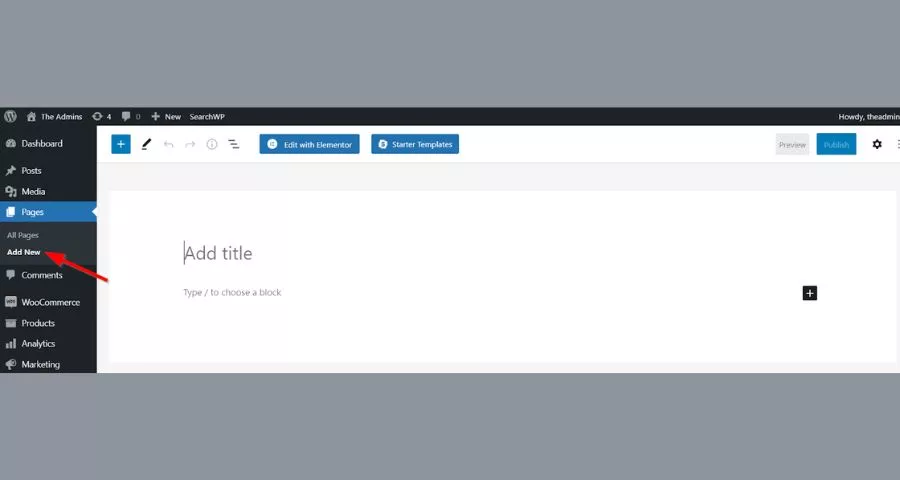
Place a persistent link in the website footer and add contextual notices near important collection points, such as account registration, checkout, or newsletter signup. In WooCommerce, configure the designated privacy policy and terms pages and verify the checkout text.
ThimPress’s WooCommerce customization documentation illustrates where these page selections may appear in a theme setup.
For a new company site, legal pages should be part of launch planning, not an afterthought. This tutorial on creating a small-business WordPress website provides broader setup context.
Privacy Notice Examples for Common Collection Points
Short notices should be tailored and linked to the complete policy. These examples are drafting prompts, not universal legal language.
Newsletter Privacy Notice Example
Enter your email to receive [type and frequency of messages]. You can unsubscribe at any time. Learn how we use your information in our Privacy Policy.
Contact Form Privacy Notice Example
We use the information you provide to respond to your request and maintain related support records. See our Privacy Policy for details and available choices.
Checkout Privacy Notice Example
We use your contact, billing, and shipping information to process and deliver your order, prevent fraud, provide support, and meet legal obligations. Review our Privacy Policy for more information.
Make the words “Privacy Policy” a link to the published page in your implementation. If marketing consent is optional, do not hide it inside a required acceptance checkbox for unrelated terms.
Common Privacy Policy Template Mistakes
- Copying a competitor. Their document cannot accurately disclose your plugins, vendors, collection points, retention, or legal scope.
- Leaving placeholders. Bracketed text, alternative clauses, and drafting notes make a policy look unfinished and can create contradictions.
- Listing tools without explaining practices. Readers need understandable categories of information, purposes, recipients, and choices—not a meaningless wall of vendor names.
- Using absolute security promises. Describe reasonable safeguards and avoid guarantees no organization can make.
- Confusing consent with acceptance. Different activities may require different legal bases or choices. One “I agree” checkbox does not automatically solve every privacy obligation.
- Ignoring operational reality. Your forms, cookie settings, deletion workflow, marketing platform, and vendors must behave consistently with the published statement.
- Failing to update. Review the policy when launching a new product, changing analytics or advertising, entering a market, adding sensitive data, or onboarding a major vendor.
Privacy Policy Launch Checklist
- Every bracketed placeholder has been replaced or deleted.
- All forms, plugins, cookies, SDKs, payment tools, and offline sources were reviewed.
- Purposes and recipient categories match actual configuration.
- Consumer request methods are monitored and tested.
- Cookie and advertising choices work before optional tracking begins where required.
- Retention and deletion rules exist internally.
- The footer, checkout, account forms, and app-store listing link to the correct URL.
- Privacy policy and terms and conditions are separate, consistent, and reviewed together.
- The effective date and update process are defined.
- Qualified counsel reviewed higher-risk or multi-jurisdiction processing.
FAQs: Sample Privacy Policy Template
Still have questions about using or customizing a sample privacy policy template? The answers below clarify common concerns about privacy notices, legal requirements, terms of service, policy updates, and where to display your privacy statement.
Can I use this sample privacy policy as-is?
No. It contains alternatives and placeholders and cannot know your business practices. Use it to organize a draft after completing a data inventory, then tailor it to your audience, technology, industry, and applicable law. Obtain legal review when the risk or uncertainty justifies it.
What is the difference between a privacy policy and a privacy notice?
The terms are often used interchangeably for the complete public document. “Privacy notice” can also mean a shorter disclosure delivered at a particular moment, such as beside a signup form. In either case, the information should be timely, prominent, understandable, and consistent with actual processing.
Can privacy policy and terms of service be on one page?
They can, but separate pages are usually easier to navigate and maintain because the documents serve different purposes. The privacy policy explains personal-information practices. Terms of service set contractual rules for accounts, payments, content, acceptable use, disclaimers, and disputes.
Where should I display my privacy statement?
Use a persistent footer link and add contextual links wherever people provide personal information. Common locations include account registration, checkout, contact forms, newsletter forms, cookie settings, mobile-app menus, and app-store privacy fields. The link should remain readable on mobile devices.
How often should a privacy policy be updated?
Review it on a regular schedule and whenever data practices materially change. Trigger events include adding analytics or advertising tools, launching an app, collecting a new category of data, changing vendors, entering a new jurisdiction, enabling social login, or changing consumer request methods.
Does a cookie banner replace a privacy policy?
No. A banner or preference center manages specific cookie choices and provides a short notice. The privacy policy gives the broader explanation of collection, use, disclosure, retention, security, rights, and contact methods. Both should agree with the site’s actual technical behavior.
Final Takeaway
The best privacy policy template is not the longest one. It is the one that accurately maps your real practices, gives people useful information and choices, and connects to processes your team can actually perform. Complete the data inventory first, customize every clause, test the rights and consent mechanisms, place the policy prominently, and arrange appropriate legal review before publishing.
Read More:
10 Best Educational Apps for Students
8+ Best SEO optimization tools to check and grow your Google ranking
How much does a domain name cost
Contact US | ThimPress:
Website: https://thimpress.com/
Fanpage: https://www.facebook.com/ThimPress
YouTube: https://www.youtube.com/c/ThimPressDesign
Twitter (X): https://x.com/thimpress_com