Securing a creative position, attracting high-profile clients, or landing a gallery exhibition relies strictly on visual proof of professional capability. Therefore, understanding exactly how to create an art portfolio is the fundamental step for any creative professional seeking career advancement. To build a solid foundation in showcasing your best work, you can explore professional guidance on how to create a portfolio website.
A successful presentation does more than merely display technical skills; it communicates a distinct perspective, highlights professional growth, and demonstrates strategic thinking. This comprehensive guide details the essential components, platform selections, and precise methodologies required to build a compelling visual resume.
Eduma – Education WordPress Theme
We provide an amazing WordPress theme with fast and responsive designs. Let’s find out!
The Professional Function of Visual Documentation
Before examining the mechanical steps of compilation, it is vital to understand the function of this documentation across different creative sectors. A professional collection serves as a definitive visual representation of accomplishments within a specific career path. It tells a clear story of professional growth over time.
The approach changes depending on the specific industry discipline:
- Art Curation: Documentation might feature a range of organized exhibitions. This includes images of the artwork displayed, detailed exhibition floor plans, and critical essays providing insight into the curatorial approach. The primary goal is to show the ability to conceptualize and execute a cohesive public display.
- Luxury Business Management: Professionals might illustrate involvement in product design by presenting visuals of raw concepts, marketing campaign strategies, and images of luxury retail spaces successfully managed. The documentation focuses strictly on commercial viability and high-end brand alignment.
- Creative Marketing & Design: Marketers and designers should showcase comprehensive campaign strategies, branding initiatives, and final visual outputs. For instance, a strong graphic design portfolio will include typography studies, logo iterations, and analytics reports demonstrating the quantifiable impact of the design work on business goals.
- Gallery Operations: A gallery manager might highlight the most successful exhibitions by featuring high-quality photographs of the space, press coverage clippings, and documentation of special VIP events.
In all these scenarios, understanding the specific target audience is what separates amateur candidates from seasoned professionals. Learning how to create an art portfolio tailored to a specific niche is essential for long-term career success.
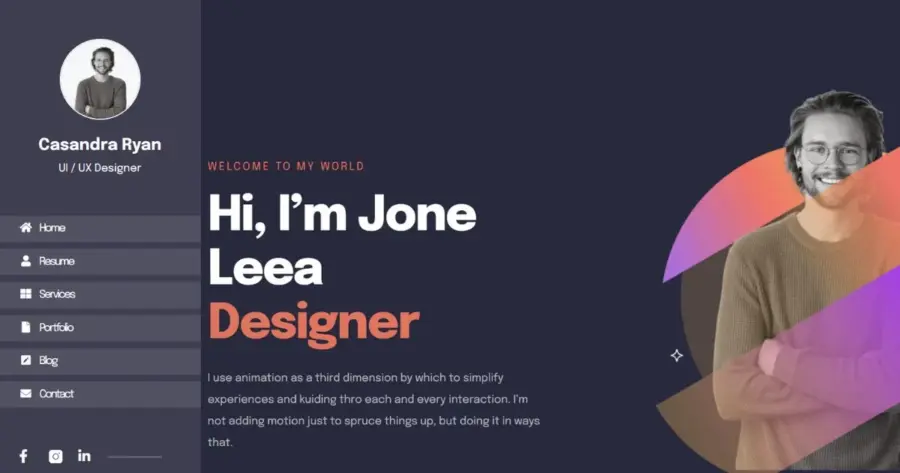
Essential Elements of a Standout Collection
While high-quality technical work is strictly necessary, authenticity and personality are equally important when striving to stand out in a saturated market. The following four pillars are crucial for constructing a remarkable presentation.
1. Unwavering Authenticity
Authenticity distinguishes a creator in any competitive market. The collection is, essentially, a professional story reflecting individual perspectives, core values, and the overarching career journey. Industry data frequently emphasizes that professionals with a strong, authentic brand receive significantly more interest from new employers compared to those with a generic presentation.
To incorporate this originality, open the compilation with a formal personal statement. Outline the professional reasoning behind the creative work. Keep the statement concise while revealing the common thread behind career choices. This adds a layer of depth that a simple list of professional achievements cannot provide.
2. Impeccable Quality and Presentation
The quality of the selected pieces determines the initial impression made on an employer. It immediately demonstrates a commitment to excellence.
Beyond the work samples, careful consideration must be given to the overall organization and design. The final product should be coherent, user-friendly, aesthetically appealing, and completely free of typographical errors. Well-written, succinct copy is vital, especially when applying for roles involving elements of public relations or curatorial communications. Every text element should feature simple formal words that convey meaning without unnecessary industry jargon.
3. Selection, Diversity, and Relevance
A strong collection includes a diverse range of work highlighting versatility. Presenting unique solutions to diverse challenges caters to varied audiences and highlights problem-solving abilities.
However, this diversity must remain highly relevant to the target audience. The type of work included depends heavily on both the specific area of expertise and the ultimate purpose of the application. For example, commercial branding materials should not be submitted for a fine art residency, regardless of the technical skill involved in creating them.
4. Cohesion and Narrative Structure
Standout compilations tell a compelling story through the arrangement and sequencing of the work. A narrative provides context and direction, transforming a disjointed collection of samples into an engaging journey. This logical flow showcases professional growth, current capabilities, and future aspirations.
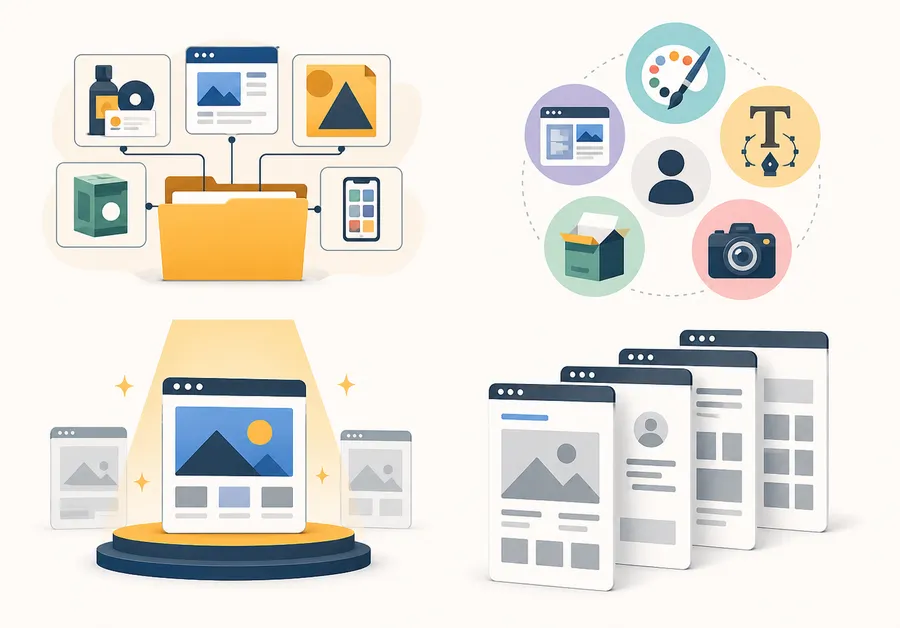
The Transition to the Digital Space
Relying solely on physical documentation is no longer sufficient in contemporary industries. Establishing a digital art portfolio is a mandatory step for securing long-term positions or high-value freelance contracts.
A digital art portfolio allows for immediate global sharing, seamless updates, and the inclusion of multimedia elements such as video, interactive design, and high-resolution zooming capabilities. Reviewers and hiring managers expect to receive a simple URL granting them immediate access to a candidate’s best work. For those unsure of where to begin this digitization process, reviewing comprehensive instructions for creating a portfolio can provide a solid technical foundation.
When building an online art portfolio, visual fidelity is the most critical factor:
- Professional Digitization: All physical works must be professionally photographed or scanned at a high resolution.
- Lighting and Color: Proper lighting and color correction ensure the digital representation accurately reflects the original physical piece. Uneven lighting or harsh shadows will immediately diminish the perceived value of the artwork.
- Device Optimization: An art portfolio must be perfectly optimized for various devices. Layouts must be fully responsive, ensuring images adapt seamlessly to smaller smartphone screens without losing clarity or requiring excessive scrolling.
Proper categorization is also essential. Visitors should be able to navigate easily between different mediums, projects, or chronological periods. A confusing interface leads to a high bounce rate, causing the reviewer to leave the page before evaluating the most important work.
Selecting the Ideal Platform
To host digital work effectively, securing a reliable art portfolio website is critical. A dedicated art portfolio website serves as a central professional hub for all inquiries.
Unlike social media platforms, which feature algorithm changes and distracting advertisements, an independent site provides complete control over branding and the overall viewer experience.
When researching the best artist portfolio websites, evaluate several technical factors. The best artist portfolio websites offer highly customizable templates that highlight imagery rather than overpowering the art with complex web design elements. Additionally, they provide built-in tools for custom domain integration, analytics tracking, and secure contact forms.
For maximum control and ownership, many professionals choose to build their sites using Content Management Systems like WordPress.
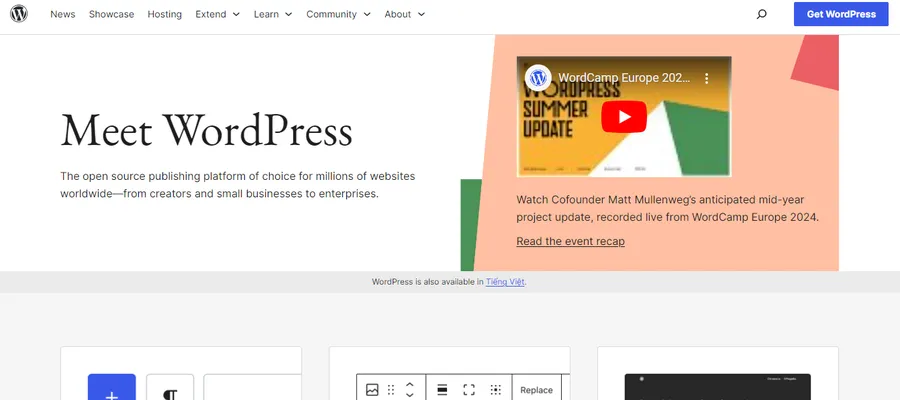
Using WordPress allows for ultimate customization, granting access to optimized themes and plugins designed specifically for creative displays. By selecting the best portfolio WordPress themes, creators can implement advanced SEO strategies and ensure their site remains highly secure.
For those looking for minimalist, easy-to-manage layouts, there are many simple portfolio WordPress themes available that require zero coding knowledge.
Alternatively, for beginners or those needing a rapid setup without hosting fees, exploring tools like Canva is a viable starting point.
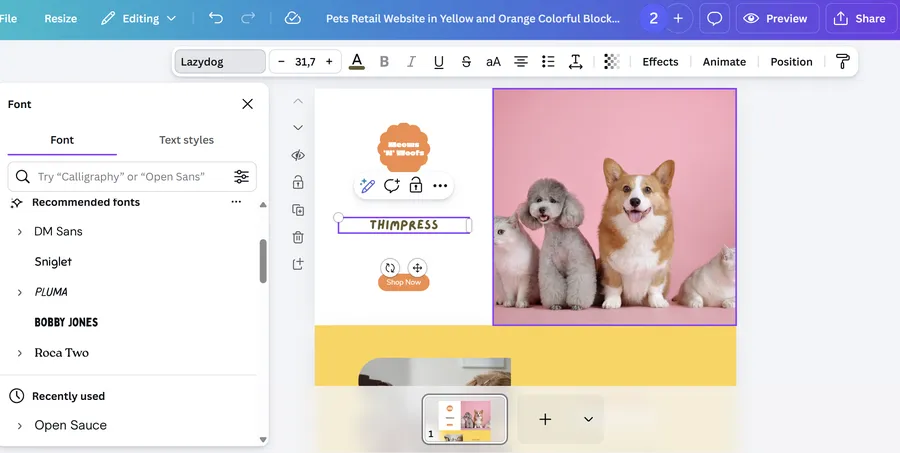
You can easily create a portfolio website for free using Canva, which offers drag-and-drop functionality and beautiful pre-made presentation templates.
Furthermore, understanding broader layout concepts via external resources like Behance and Dribbble can offer great visual inspiration for structural design. Regardless of the platform chosen, the focus should always remain on speed, simplicity, and visual impact.
Step-by-Step Guide: How to Create an Art Portfolio
Constructing a compelling visual resume requires strategic planning. Follow these meticulous steps to ensure the final product meets industry standards and leaves a lasting positive impression.
Step 1: Define the Core Purpose
Determine the exact objective before selecting any pieces. Is the goal to secure a full-time gallery position, attract freelance commercial clients, or apply for an academic residency? The purpose directly dictates the selection process. Tailoring the content to current career goals ensures the reviewer sees exactly what they need.
Step 2: Ruthlessly Select the Best Work
Quality must supersede quantity. Choose only the pieces that best showcase skills and professional growth.
- Include between 10 to 15 exceptional pieces.
- Avoid mediocre work, as it actively detracts from the strongest pieces.
- Ensure each item aligns with the previously defined purpose.
Step 3: Establish a Strong Narrative
Weave a clear narrative through the arrangement of the pieces. Organize them chronologically to illustrate career growth, or thematically around specific skills. Begin with a highly impactful piece to grab attention immediately, maintain momentum with strong supporting projects, and conclude with an unforgettable final work.
Step 4: Develop High-Quality Digital Assets
For a digital art portfolio, image file quality cannot be overstated. Export files in high resolution while optimizing file sizes to ensure the art portfolio website loads quickly. Slow loading times can frustrate reviewers and lead to early abandonment of the site. Use modern image formats to balance crisp visuals with fast performance.
Step 5: Draft Concise Contextual Text
Visuals alone rarely tell the complete story. Include brief, professionally written descriptions for each project.
- State the project’s objective.
- List the medium or tools utilized.
- Detail the challenges faced and the ultimate professional outcome.
- Ensure the text is formatted using short paragraphs or bullet points for easy scanning.
Step 6: Include Supplementary Professional Materials
Provide a complete picture of a professional career by including supporting materials. Add a well-formatted Curriculum Vitae (CV), an artist statement, a list of awards, and professional references. On an art portfolio, these materials should be easily accessible, allowing interested parties to download formal PDF versions.
Step 7: Edit, Refine, and Seek Feedback
The final step in mastering how to create an art portfolio is the rigorous review process. Share the compiled work with trusted industry peers or academic mentors to gather constructive feedback. Fresh perspectives easily identify visual inconsistencies, navigational issues within the digital interface, or weak pieces that should be removed entirely.
Customizing the Approach for Different Audiences
A universal approach rarely yields the best results. Professionals must adapt their presentation based on the specific audience they intend to reach.
For Commercial Agencies:
When applying to advertising agencies or design firms, the focus must be on commercial viability and problem-solving. Highlight projects where creative work directly solved a business problem or increased audience engagement. A digital art portfolio aimed at agencies should feature detailed case studies.
For Fine Art Galleries:
Gallery directors look for a distinct voice and conceptual depth. An art portfolio website targeting fine art representation should group works by series or thematic exploration. The accompanying text should focus heavily on the artist statement and the conceptual framework behind the pieces.
For Freelance Clients:
Freelance clients prioritize reliability and specific stylistic capabilities. An art portfolio for freelance work should clearly categorize services offered, such as illustration, branding, or editorial layout. Including client testimonials helps build immediate trust.
Critical Pitfalls to Avoid
Knowing exactly what to exclude is a major part of curating a successful professional display. Be mindful of the following pitfalls:
Including Outdated or Incompatible Work:
Holding onto pieces based on past popularity or emotional attachment is a common mistake. If a piece does not serve the immediate purpose of the application, it must be removed.
Overloading with Content:
Avoid overwhelming the reviewer. This presentation is a curated highlight reel, not a comprehensive archive. Overcrowding diminishes impact and suggests a concerning inability to self-edit. Stick strictly to the 10-15 best pieces limit.
Poor Formatting and Navigation:
Complex navigation, broken links, or non-responsive mobile designs instantly disqualify a candidate. The user experience on an art portfolio website must be entirely frictionless.
Including Unrelated Skills:
Do not clutter the visual space with long lists of unrelated software skills better suited for a standard text resume. Let the successful visual projects demonstrate the technical experience naturally.
Conclusion
By focusing on unwavering authenticity, maintaining rigorous quality standards, and adapting to digital platforms via a professional art portfolio website, creative professionals can build a compelling case for their expertise.
The process requires significant time, critical thinking, and a willingness to self-edit ruthlessly. Continually removing older works to make room for newer, stronger pieces ensures the collection accurately reflects current professional capabilities. Whether an individual is an established veteran looking to pivot into a new sector or a newcomer entering the field for the first time, a meticulously crafted presentation remains the most powerful tool for establishing a successful, fulfilling creative career.
Frequently Asked Questions (FAQs)
1. What is the most important rule for how to create an art portfolio?
The most important rule is prioritizing quality over quantity. Including 10 to 15 highly refined pieces is strongly recommended. This focused approach demonstrates versatility and technical skill without overwhelming the hiring manager or client reviewing the work.
2. Is having an art portfolio strictly necessary today?
Yes, establishing a digital presence is mandatory in the modern job market. An art portfolio ensures that work can be shared instantly with global clients and recruiters via a single link, providing a convenient viewing experience across all modern devices.
3. What should I look for in an art portfolio website?
An effective art portfolio website should offer clean, image-focused templates, responsive design for mobile viewing, and custom domain options. The platform should prioritize fast loading speeds and provide simple navigation structures to ensure an optimal user experience.
4. What are the best artist portfolio websites for professionals?
The best artist portfolio websites include robust Content Management Systems like WordPress, which offer extensive SEO capabilities and customization. Dedicated creative builders like Adobe Portfolio or Squarespace are also highly regarded for their professional aesthetics and ease of use.
5. How do I digitize physical work for a digital art portfolio?
Physical artworks must be professionally photographed or scanned at a high resolution (minimum 300 DPI) for a digital art portfolio. It is crucial to ensure accurate color representation, even lighting, and proper cropping to maintain the visual integrity of the original piece on digital screens.
Read more: Selling Digital Products Online: 5 Steps That Work
Contact US | ThimPress:
Website: https://thimpress.com/
Fanpage: https://www.facebook.com/ThimPress
YouTube: https://www.youtube.com/c/ThimPressDesign
Twitter (X): https://x.com/thimpress_com