Planning an online presence always starts with one critical question: how much does it cost to build a website?
Whether launching an educational blog, a corporate portfolio, or a fully integrated Learning Management System (LMS), understanding the financial requirements upfront prevents unexpected expenses. The exact website creation cost depends heavily on the specific functionality required, the chosen platform, and the approach to development. A simple one-page layout will naturally require a drastically different budget than a robust, custom-coded platform capable of handling thousands of users and complex email marketing automations.
This comprehensive guide details every financial factor involved in website development. By analyzing domain registration, hosting, premium WordPress themes, and ongoing maintenance, business owners can accurately forecast their expenses and make informed decisions that align with their long-term digital strategies.
Eduma – Education WordPress Theme
We provide an amazing WordPress theme with fast and responsive designs. Let’s find out!
Estimated Costs to Build a Website from Scratch
To provide immediate clarity, the table below outlines the estimated expenses based on the development approach and website complexity.
| Expense Category | Do-It-Yourself (DIY) Approach | Hiring a Professional Developer | Ongoing Annual Maintenance |
| Domain Name | $10 – $20 / year | $10 – $20 / year | $10 – $20 / year |
| Web Hosting | $35 – $120 / year | $120 – $600+ / year | $35 – $600+ / year |
| Design & Themes | $0 – $150 (Premium Theme) | $500 – $5,000+ (Custom) | $0 – $100 / year (Theme Updates) |
| Plugins & Add-ons | $0 – $200 (Essential tools) | $200 – $1,000+ (Advanced tools) | $50 – $300 / year |
| Development Labor | $0 (Time investment) | $1,000 – $10,000+ | $100 – $1,500+ / year |
| Total Estimated Cost | $45 – $490 (Initial) | $1,830 – $16,620+ (Initial) | $195 – $2,520+ / year |
1. Domain Registration and Web Hosting Expenses
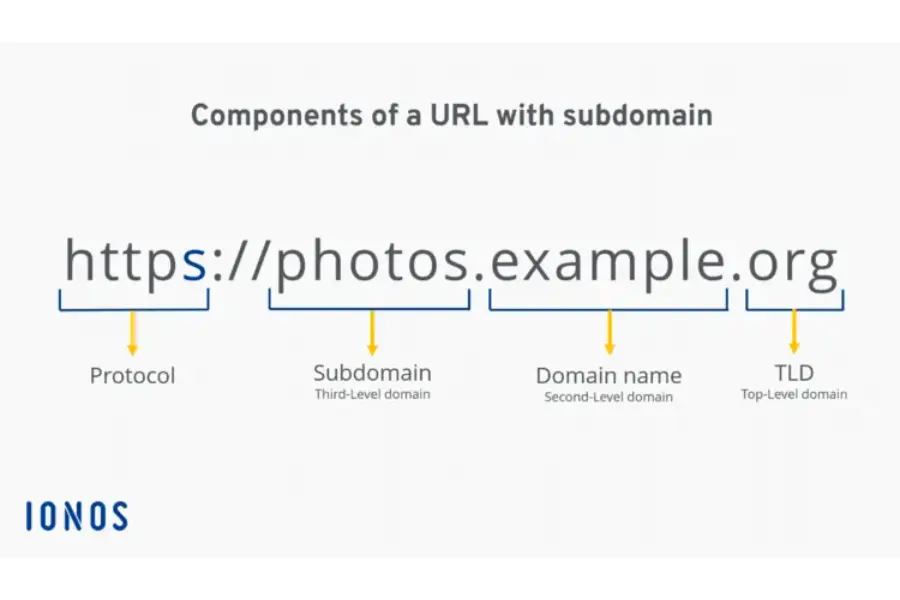
When calculating how much does it cost to make a website, the foundational elements are the domain name and the web hosting service. These are mandatory components for any functional site.
Domain Registration
A domain name is the unique web address that users type into their browser to find the site. The cost of a domain typically ranges from $10 to $20 annually. However, this price can fluctuate based on the chosen Top-Level Domain (TLD) such as .com, .net, or .edu.
Furthermore, purchasing a premium domain—a short, memorable address that contains a highly searched keyword—can cost thousands of dollars upfront.
Web Hosting Services
Hosting is the service that stores website files and makes them accessible on the internet. The average cost of web hosting varies based on server performance, security protocols, and traffic capacity:
- Shared Hosting ($3 – $10 per month): Highly budget-friendly and suitable for new websites with low traffic. Resources are shared with other websites on the same server.
- Virtual Private Server (VPS) Hosting ($15 – $50 per month): Offers a dedicated portion of server resources, providing better speed and stability for growing sites.
- Managed WordPress Hosting ($20 – $100+ per month): Specifically optimized for the WordPress environment, offering enhanced security, automatic updates, and superior load times.
- Dedicated Hosting ($100 – $300+ per month): Provides an entire server for a single website, essential for enterprise-level businesses or massive e-learning portals experiencing high daily traffic.
2. Design and User Interface Investments
Because first impressions are heavily influenced by visual aesthetics, the website design cost is a major component of the overall budget. There are two primary avenues for establishing a site’s design: utilizing pre-made templates or investing in custom design.
Premium Themes and Templates
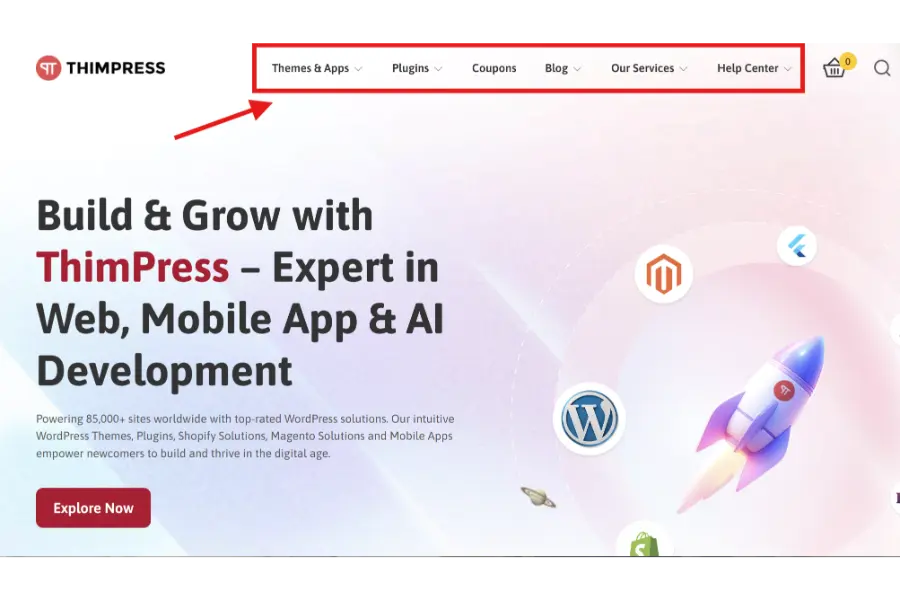
For those utilizing Content Management Systems (CMS) like WordPress, thousands of themes are available. While free themes exist, premium themes (typically ranging from $50 to $150) offer superior customization, better SEO foundations, and dedicated customer support. For example, a specialized education theme designed to integrate seamlessly with an LMS will save countless hours of development time, making it a highly cost-effective choice.
Custom Professional Design
If a business requires a highly unique brand identity, hiring a professional web designer is necessary. The website design pricing for custom work is determined by the designer’s experience, the number of pages, and the complexity of the visual elements. A custom design ensures that the site stands out in competitive markets, but it requires a larger initial investment.
3. Functionality, Plugins, and Add-ons
A website is rarely just static pages. Modern online platforms require diverse functionalities to engage users, capture leads, and process transactions. The more complex the required features, the higher the website creation cost will be.
Essential Features
Most websites need foundational plugins for security, caching, and search engine optimization. While many robust SEO plugins offer free versions, premium tiers that provide advanced technical analysis and keyword clustering tools generally cost between $50 and $150 annually.
Advanced Integrations
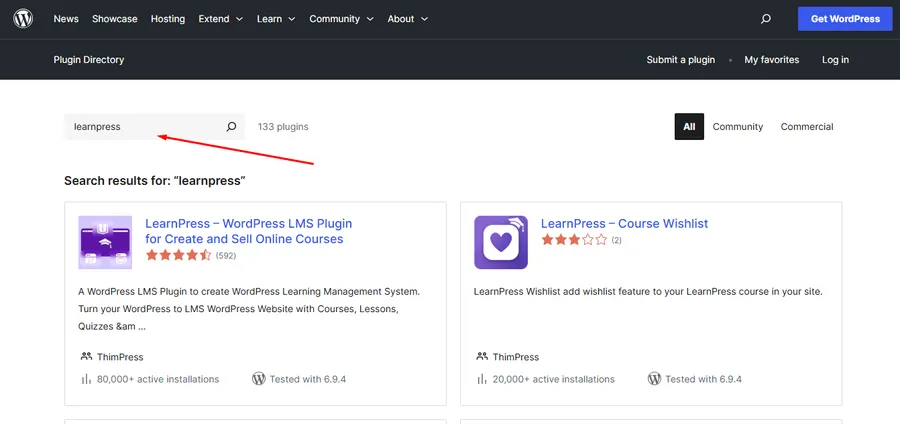
If the goal is to build an online course platform, specialized LMS plugins are required to manage student registrations, quizzes, and course progression. Similarly, integrating robust email marketing platforms (like Brevo or Mailchimp) to handle complex automation sequences, user segmentation, and subscription forms may incur monthly subscription fees based on the volume of emails sent and the number of active contacts. E-commerce functionalities, payment gateways, and multilingual support tools also add to the overall development and maintenance budgets.
4. Development: Do-It-Yourself vs. Hiring a Professional
Labor is often the most significant variable when determining how much does a website cost. The decision between building the site independently or hiring an expert directly dictates the financial outlay.
The Do-It-Yourself (DIY) Approach
Modern CMS platforms and page builders make it entirely possible to construct a professional site without writing a single line of code. Opting for a DIY approach eliminates development labor costs entirely. However, this method requires a substantial investment of time. The individual must learn the platform, configure the settings, design the layouts, and troubleshoot any technical conflicts that arise.
Hiring a Professional Developer
For complex projects, custom functionalities, or strict deadlines, hiring a professional developer is the most efficient route. Developer rates vary globally, typically ranging from $50 to $150 per hour. Therefore, a comprehensive project can quickly scale in cost. When assessing the average cost of website design for small business, hiring an agency or a seasoned freelancer usually starts around $2,000 and can easily exceed $10,000 for intricate, feature-heavy platforms.
5. Ongoing Maintenance and Security Updates
A common misconception is that website expenses stop once the site is launched. In reality, ongoing maintenance is crucial for performance, user experience, and security.
Routine maintenance includes:
- Renewing domain names and hosting plans annually.
- Updating the CMS core, themes, and plugins to patch security vulnerabilities.
- Conducting regular site backups to prevent data loss.
- Monitoring site speed and technical SEO health to ensure consistent search engine rankings.
Depending on whether these tasks are handled internally or outsourced to a dedicated technical support team, annual maintenance can range from $200 to over $2,000. Neglecting maintenance to save money often leads to severe technical issues, malware infections, or broken functionalities, which ultimately cost far more to repair.
Cost Breakdown by Website Type
To provide a more precise perspective on how much does it cost to build a website, here is a categorized breakdown based on common business models:
1. Basic Blog or Personal Portfolio
A simple informational site requires minimal functionality. Using a shared hosting plan and a free or low-cost premium theme, the initial investment is extremely low.
- Estimated Cost: $50 – $200 to launch.
2. Standard Small Business Website
A local business site typically needs 5 to 10 pages, a contact form, a booking system, and professional branding. The website design pricing for this tier involves better hosting and potentially hiring a freelance designer for a polished look.
- Estimated Cost: $500 – $3,000.
3. E-commerce Store or LMS Platform
Selling physical products, digital downloads, or online courses requires high-performance hosting, SSL security, payment gateway integrations, and specialized CMS configurations.
- Estimated Cost: $2,000 – $8,000+.
7 Expert Tips to Optimize Website Design Pricing
Regardless of the project scope, maintaining a strict budget is vital for long-term profitability. Implementing strategic planning can significantly reduce unnecessary expenditures. Here are seven proven methods to optimize the overall budget:
- Prioritize Core Functionality First: Distinguish between essential features and optional enhancements. If the immediate goal is lead generation, focus the budget on high-converting landing pages and reliable email marketing sign-up forms. Advanced features, such as integrated forums or complex animations, can be delayed until the platform generates sufficient revenue.
- Leverage Reputable Open-Source Software: Platforms like WordPress are open-source and free to install. By utilizing a free core system, the budget can be reallocated toward high-quality hosting, professional content creation, and premium plugins that directly enhance performance.
- Select Scalable Hosting Solutions: Do not overpay for dedicated server space before the website possesses the traffic to justify it. Begin with a high-quality shared hosting plan or a standard VPS. As traffic volume and resource demands increase, the hosting environment can be easily upgraded.
- Utilize High-Quality Premium Themes: Instead of paying thousands of dollars for a custom design from scratch, purchase a highly rated, customizable premium theme. Modern page builders allow these templates to be modified extensively, resulting in a unique appearance at a fraction of the cost.
- Focus on Technical SEO from the Start: Restructuring a poorly built website to meet search engine standards is expensive. By ensuring proper site architecture, fast loading speeds, and optimized metadata during the initial build, future costly overhauls can be avoided.
- Implement Automated Maintenance Tools: Utilize plugins that automatically back up the database and scan for security threats. Automating these administrative tasks reduces the need to pay a developer for routine monthly check-ups.
- Scale Gradually Based on Data: Avoid building a massive, complex infrastructure based on assumptions. Launch a streamlined, efficient version of the site, monitor user behavior through analytics, and invest in further development only where the data indicates a clear user demand.
Conclusion: Making an Informed Decision on Your Website Budget
Determining exactly how much does it cost to build a website requires a careful evaluation of specific business needs, technical requirements, and long-term goals. As outlined throughout this guide, the total website creation cost is not a fixed, universal number. It fluctuates based on domain selection, hosting environments, premium add-ons, and whether the project relies on a Do-It-Yourself approach or professional development.
For those operating with a strict budget, understanding the average cost of website design for small business helps set realistic financial expectations. By prioritizing essential features, utilizing reliable Content Management Systems like WordPress, and planning for ongoing maintenance, it is highly possible to launch a professional online presence without overspending.
Ultimately, when asking how much does a website cost, the most accurate answer depends entirely on the chosen strategy. By analyzing website design pricing structures carefully, avoiding unnecessary initial features, and scaling operations gradually, businesses can secure a high-quality digital platform that delivers excellent long-term value.
Frequently Asked Questions (FAQs): How Much Does It Cost to Build a Website
1. How much does it cost to build a website for a small business?
The average cost of website design for small business usually ranges from $500 to $3,000 if utilizing premium templates and standard plugins. If the business requires a completely custom design, advanced integrations, or extensive e-commerce capabilities, the price typically starts at $3,000 and can scale upward depending on the developer’s hourly rate.
2. Are there hidden expenses in the website creation cost?
Yes, several recurring expenses are often overlooked during the initial planning phase. These include annual domain renewals, hosting upgrades as traffic increases, premium plugin subscription renewals, SSL certificate fees (if not provided by the host), and ongoing technical maintenance or troubleshooting fees.
3. How much does it cost to make a website using a CMS like WordPress?
The WordPress software itself is completely free. However, users must pay for domain registration, hosting, and any premium themes or plugins utilized. A professional, self-hosted WordPress site can be launched for as little as $100 to $300 in the first year if built independently using carefully selected tools.
4. Is it more cost-effective to hire a freelance developer or a full-service agency?
Hiring a freelancer generally results in lower website design pricing because freelancers have lower overhead costs compared to agencies. However, a full-service agency provides a broader range of expertise, including dedicated project managers, graphic designers, and SEO specialists, which is beneficial for large-scale, complex corporate projects.
5. Does the website design cost include ongoing content creation?
Typically, the initial design and development fees do not include ongoing content creation such as writing blog posts, designing new graphics, or managing email marketing campaigns. These are separate marketing expenses. Some agencies offer retainer packages that combine ongoing technical maintenance with monthly content updates for a flat fee.
Read more: UX Best Practices: A Study Guide
Contact US | ThimPress:
Website: https://thimpress.com/
Fanpage: https://www.facebook.com/ThimPress
YouTube: https://www.youtube.com/c/ThimPressDesign
Twitter (X): https://x.com/thimpress_com