Imagine launching a beautifully crafted, highly functional platform, only to discover that it receives almost no visitors. A stunning visual layout is only helpful if people can actually find the pages through search engines. By prioritizing SEO web design from the very beginning, organizations ensure their digital presence is not only visually appealing but also highly discoverable.
This guide explores how to seamlessly blend technical performance with visual elements, creating a user-friendly environment that ranks well on platforms like Google.
Eduma – Education WordPress Theme
We provide an amazing WordPress theme with fast and responsive designs. Let’s find out!
Understanding the Core Concept of Web Design and SEO
Building a platform that appeals equally to human visitors and complex search algorithms requires a careful balance. Developers frequently focus purely on aesthetics, treating search visibility as an afterthought applied just before launch. However, highly effective web design and SEO must operate simultaneously throughout the entire project.
This combined approach involves structuring the site hierarchy logically, writing clean HTML code, and organizing content so that search engine crawlers can index every page efficiently. It is a comprehensive strategy that guarantees a smooth user experience while strictly adhering to the rigorous ranking criteria established by major search engines. When technical performance perfectly aligns with visual presentation, platforms naturally attract higher volumes of targeted organic traffic.
Why Optimization Matters in Development
Establishing authority and building trust with prospective clients demands strong online visibility. Even for physical storefronts, potential customers often conduct an online search before making contact. Occupying a top-ranking position immediately validates an organization’s credibility.
Focusing on searchability during the construction phase delivers several long-term business advantages:
- Increased Visibility and Traffic: Optimizing for relevant search queries attracts an audience actively seeking specific products or services. Proper formatting ensures algorithms connect these searchers with the correct landing pages.
- Enhanced Brand Trust: A fast, professional, and easily accessible site signals reliability. If the platform builds trust right away, prospective clients are more likely to initiate contact.
- Higher Conversion Rates: Providing a frictionless journey from the initial search result to an intuitive landing page significantly increases the likelihood of transforming casual visitors into loyal customers.
- Cost-Effective Marketing: A platform built without optimization often requires heavy ongoing investment in paid advertising. A well-structured site maintains organic traffic naturally, maximizing the return on investment.
Diagnosing Structural Flaws Through Analytics
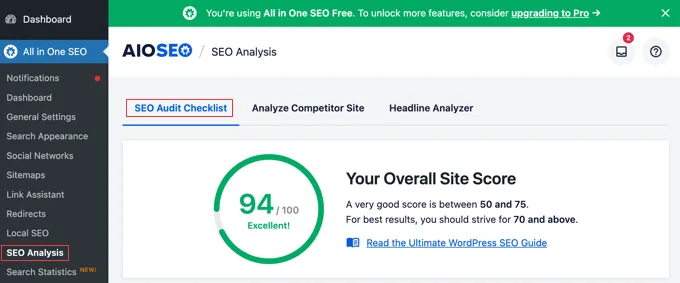
Identifying hidden structural flaws requires careful analysis of specific performance metrics. If a platform struggles to secure favorable rankings, analyzing performance data through SEO reports often reveals the exact underlying issues.
1. Sluggish Largest Contentful Paint (LCP)
This metric measures how rapidly the primary visual elements—such as a large header image or main headline—render on a screen. If this process takes longer than 2.5 seconds, visitors become frustrated and leave, which severely hurts rankings. Compressing large files and optimizing images can drastically accelerate these rendering speeds.
2. Slow Time to First Byte (TTFB)
TTFB measures the exact duration it takes for a browser to receive the very first byte of data from the server. A bloated layout featuring poorly optimized code or excessive third-party scripts drastically slows server response times. For instance, launching a WordPress website requires specific attention to theme bloat; stripping away redundant plugins and optimizing database queries helps improve website speed.
3. Excessive Crawl Errors
Analytics dashboards frequently highlight 404 broken link errors or pages excluded from indexing entirely. These specific errors actively prevent search bots from mapping the digital architecture. Conducting routine audits to repair broken links and establishing accurate redirects ensures smooth navigation for both automated crawlers and human visitors.
4. Low Scroll Depth and High Bounce Rates
Analyzing user behavior patterns reveals precisely how individuals interact with the visual layout. A high bounce rate or shallow scroll depth indicates that users find the navigation confusing or the visual presentation unappealing. Small adjustments, such as adding clear directional arrows or improving background color transitions, strongly encourage visitors to explore deeper into the platform.
Essential Elements to Optimize SEO Web Design

Transforming a basic layout into a high-performing asset requires meticulous attention to several critical components. Focusing heavily on these specific elements guarantees maximum visibility.
Logical Site Structure and Clear Navigation
Organizing content into a strict, logical hierarchy allows search algorithms to map the entire platform efficiently. Descriptive menu labels and clear categorization help visitors find exact information without encountering frustration. Implementing breadcrumb navigation provides a highly valuable, supplementary layer of clarity for both human readers and automated indexing bots.
Clean URL Structure
Long, complicated URLs create confusion. Descriptive, concise URLs that include target keywords perform much better. For example, using a simple, readable path is far more effective than a lengthy string of disjointed words or numbers.
Mobile-First Responsiveness
With mobile devices generating the vast majority of global internet traffic, utilizing responsive layouts is entirely mandatory. The visual interface must automatically adapt to varied screen dimensions. Interactive buttons, text blocks, and menus must remain easily accessible on compact smartphones. Search algorithms actively penalize platforms failing to deliver a flawless mobile experience.
Strategic Content Formatting
Visual layouts must gracefully accommodate written material, as text remains the primary driver for search rankings. Structuring text using proper hierarchical headings breaks down dense paragraphs and explicitly highlights core topics. Natural integration of specific terminology within this text is vital. This is a foundational aspect of effective SEO web page design, guaranteeing that the visual layout supports highly informative text without compromising the overall aesthetic appeal.
Compelling Meta Descriptions
These short text snippets appear directly in search results. Every single page requires a unique, concise description that incorporates relevant keywords while enticing the user to click. Keeping these descriptions under 160 characters ensures they display correctly without being cut off by the search engine.
Strategic Internal Linking
Connecting related pages within the platform helps users discover additional valuable information. Contextual anchor text guides both visitors and search bots, clearly indicating what the linked page is about. This practice significantly increases the time users spend exploring the site.
The Role of Professional Expertise
Mastering complex technical optimization alongside sophisticated visual aesthetics requires highly specialized, up-to-date knowledge. The digital landscape evolves constantly, demanding continuous education regarding algorithm updates. For organizations lacking dedicated internal technical departments, seeking external professional expertise often proves highly beneficial.
Partnering with an established SEO web design company guarantees that industry best practices are implemented flawlessly from the initial coding phase. These specialized agencies thoroughly understand the intricate nuances of server configurations, script deferment, and precise algorithm requirements.
Alternatively, investing in comprehensive web design and SEO services allows businesses to successfully renovate existing, underperforming platforms. Professionals conduct exhaustive audits of current layouts, eliminate bloated code, and entirely reconstruct the architecture to strictly meet modern search engine standards. Utilizing top-tier SEO plugins also ensures that the daily management of on-page elements remains straightforward.

Advanced Technical Foundations and Accessibility
Beyond the visible interface, deep technical foundations completely dictate overall performance capabilities. Highly successful SEO web design involves rigorous, behind-the-scenes configurations that users never directly see but algorithms constantly evaluate.
- XML Sitemaps and Robots.txt: Sitemaps function as comprehensive roadmaps, directly guiding search bots to all essential pages. Accurate Robots.txt configuration explicitly directs automated crawlers regarding which specific sections to index and which private directories to ignore entirely.
- Stringent Security Protocols: Secure Sockets Layer (SSL) certificates properly encrypt data transfers, fully protecting user privacy. Search algorithms actively prioritize highly secure domains over non-secure alternatives.
- Strict Accessibility Standards: Ensuring digital environments are entirely usable by individuals utilizing assistive technologies is a fundamental legal and ethical requirement. Implementing detailed alternative text for all images, supporting full keyboard navigation, and utilizing high-contrast color palettes vastly enhances usability while providing crucial contextual data for search indexing.
Continuous Monitoring and Adaptation
Launching a fully optimized platform represents merely the initial step in digital growth. The internet ecosystem remains highly dynamic, with search algorithms undergoing constant modifications. Maintaining top-tier positions requires strict, continuous monitoring and tactical refinement.
Regularly analyzing performance data through industry-standard diagnostic tools identifies emerging technical issues long before they negatively impact organic traffic. Routinely tracking organic ranking shifts, monitoring keyword relevancy, and evaluating shifting user behavior metrics directly guide necessary ongoing adjustments. Enduring success stems entirely from a strict commitment to long-term adaptation.
Conclusion
Creating a dominant digital asset demands a precise balance of aesthetic artistry and rigorous technical execution. Prioritizing SEO web design during the earliest architectural planning stages guarantees the creation of a platform that captivates target audiences while simultaneously satisfying the strictest search engine algorithms.
By concentrating heavily on mobile responsiveness, rapid loading metrics, logical internal structures, and impeccably clean code, any organization can construct an incredibly robust online presence. Excellent web design and SEO are no longer optional; they form the absolute foundation of digital success. If the goal is to outperform competitors, investing in proper SEO web page design provides the competitive edge necessary to thrive.
Frequently Asked Questions (FAQs) about SEO web design
1. Does changing the visual layout affect search engine rankings?
Yes, altering visual elements often involves changing the underlying code, URL structures, or navigation paths. If these changes break links, slow down the load speed, or remove important text, rankings will likely drop. Careful technical planning is required during a redesign to maintain current standing.
2. How exactly does page speed influence search optimization?
Search engines prioritize user experience above all else. Slow-loading pages frustrate visitors, causing them to leave quickly. Algorithms detect this poor user behavior and subsequently lower the site’s position in search results to prevent directing future users to a poor experience.
3. What is the most important element for making a site mobile-friendly?
Responsive formatting is the most critical element. This ensures that the layout automatically adjusts its proportions, font sizes, and button placements to perfectly fit the screen size of any device, eliminating the need for zooming or horizontal scrolling.
4. Can an attractive website rank well without written text?
It is highly unlikely. While images and videos engage human visitors, search engine crawlers rely heavily on written text to understand the context and relevance of a page. Without descriptive text and proper headings, algorithms cannot accurately determine the subject matter.
5. Why are heading tags important for both users and algorithms?
Heading tags break up large blocks of text, making content easier for users to scan and digest. For search engines, these tags establish a clear hierarchy of information, signaling which topics are the most important and providing vital context about the page’s overall focus.
Read more: OpenClaw vs ChatGPT: Is The Switch Really Worth It?
Contact US | ThimPress:
Website: https://thimpress.com/
Fanpage: https://www.facebook.com/ThimPress
YouTube: https://www.youtube.com/c/ThimPressDesign
Twitter (X): https://x.com/thimpress_com