Launching a high-quality website and simply waiting for traffic to arrive is an ineffective strategy. To truly succeed in search engine optimization (SEO), building domain authority through external connections remains absolutely essential. One of the most critical questions any webmaster, marketer, or SEO professional must ask is: who is linking to my site? Answering this fundamental question unlocks a wealth of actionable data that dictates future content strategies, reveals technical vulnerabilities, and highlights brand new avenues for organic growth.
Backlinks act as digital endorsements. When a reputable platform links to a specific page, search engines interpret that connection as a strong signal of trustworthiness and relevance. However, not all connections provide positive value. Understanding exactly how to find who links to your website allows professionals to distinguish between highly valuable endorsements and toxic spam that could trigger algorithmic penalties.
This comprehensive guide details the precise methodologies required to evaluate external links, execute a thorough inbound link analysis, and leverage competitor intelligence to dominate the search engine results pages (SERPs).
Eduma – Education WordPress Theme
We provide an amazing WordPress theme with fast and responsive designs. Let’s find out!
The Fundamentals of External Link Building
To fully grasp the importance of asking “who is linking to my site,” it is necessary to understand the mechanics of how search engines process hyperlinks. An inbound link, commonly referred to as a backlink, occurs when a third-party website places a clickable hyperlink that directs users to your domain.
Search algorithms, particularly Google’s core ranking systems, treat these links as votes of confidence. However, this is not a simple numbers game. The quality, relevance, and context of the linking page matter significantly more than the sheer volume of links.
Dofollow vs. Nofollow Links
When conducting an inbound link analysis, professionals categorize links into two primary types: “dofollow” and “nofollow.”
- Dofollow Links: These are standard hyperlinks that pass “link equity” (or SEO value) from the referring domain to the target destination. Earning dofollow links from highly authoritative websites is the primary objective of any organic growth campaign.
- Nofollow Links: These links contain a specific HTML tag (rel=”nofollow”) that explicitly instructs search engines not to pass link equity. While they do not directly influence search rankings in the same manner as dofollow links, they remain incredibly valuable for generating referral traffic and maintaining a natural, organic-looking backlink profile.
The Role of Anchor Text
Anchor text represents the visible, clickable words used in a hyperlink. During a rigorous inbound link analysis, the distribution of anchor text requires careful evaluation. If an unusually high percentage of external domains use exact-match commercial keywords as their anchor text, search engines may interpret this as manipulative behavior. A healthy link profile contains a natural mix of branded anchor text, naked URLs, and descriptive phrases.
Why Tracking External Endorsements is Crucial
Consistently monitoring the backlink profile is a non-negotiable requirement for modern SEO. Failing to track external connections leaves a website vulnerable to negative SEO attacks and causes missed opportunities for audience expansion. Here is why identifying who is linking to my site remains a top priority.
1. Search Engine Rankings and Algorithmic Trust
As previously established, backlinks remain one of the strongest algorithmic ranking factors. High-quality connections directly correlate with increased organic visibility and higher SEO rankings. When respected institutions, industry publications, or educational platforms link to a domain, they transfer their inherent trustworthiness. Conversely, acquiring links from untrusted, irrelevant, or penalized domains generates algorithmic red flags.
2. Referral Traffic Generation
Beyond purely algorithmic benefits, well-placed links on relevant websites drive highly targeted referral traffic. For instance, if an authoritative blog reviewing premium WordPress themes links to a specific software provider, the users clicking that link possess high commercial intent. This traffic often converts at a significantly higher rate than general organic search traffic.
3. Analyzing Link Equity Distribution
Understanding how to find who links to your website provides insight into which specific pages attract the most attention. Often, a website will have a few “power pages” that accumulate the vast majority of external links. By identifying these high-performing assets, site architects can strategically use internal linking to distribute that accumulated link equity to other important, yet less visible, commercial pages.
4. Toxic Link Prevention and Reputation Management
The internet is filled with automated scrapers, low-quality directories, and spam networks. Over time, any successful website will naturally accumulate undesirable links from these sources. While search engines have become highly proficient at simply ignoring low-effort spam, massive influxes of toxic links can still trigger manual actions or algorithmic demotions. Regular monitoring allows webmasters to spot these dangerous patterns early and neutralize the threat.
Step-by-Step: How to Find Who Links to Your Website
The digital marketing industry offers a wide array of sophisticated software designed to scan the internet and catalog hyperlinks. Determining how to find who links to your website depends on the available budget and the required depth of data. Below are the most reliable platforms used by professionals worldwide.
Google Search Console (The Free Standard)
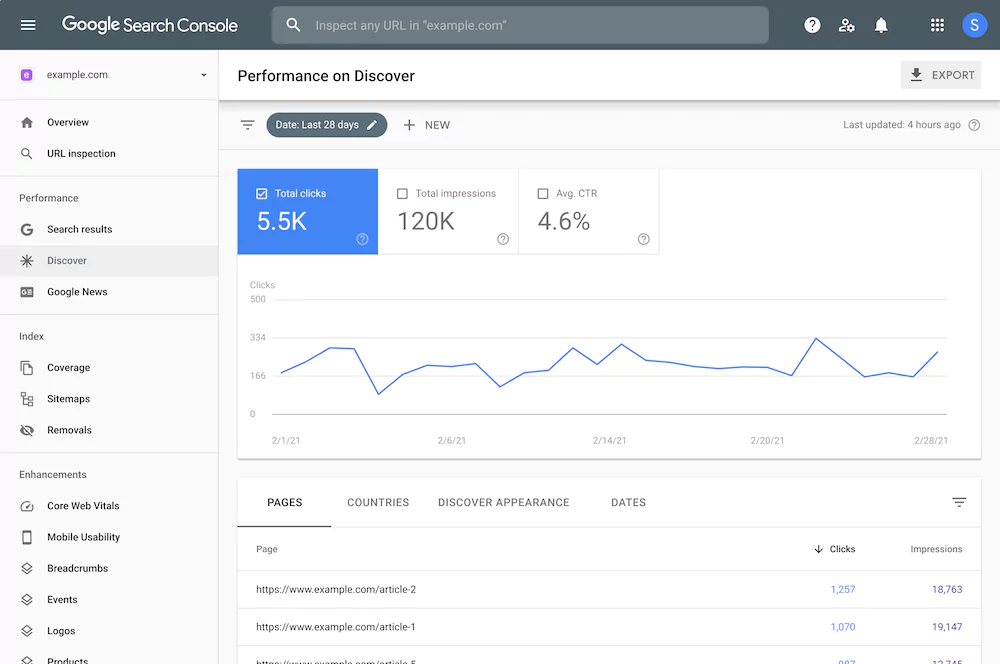
For exact data sourced directly from the search engine itself, Google Search Console (GSC) is unmatched. While it lacks some of the advanced filtering features found in premium software, it is the most accurate reflection of the links Google actually counts.
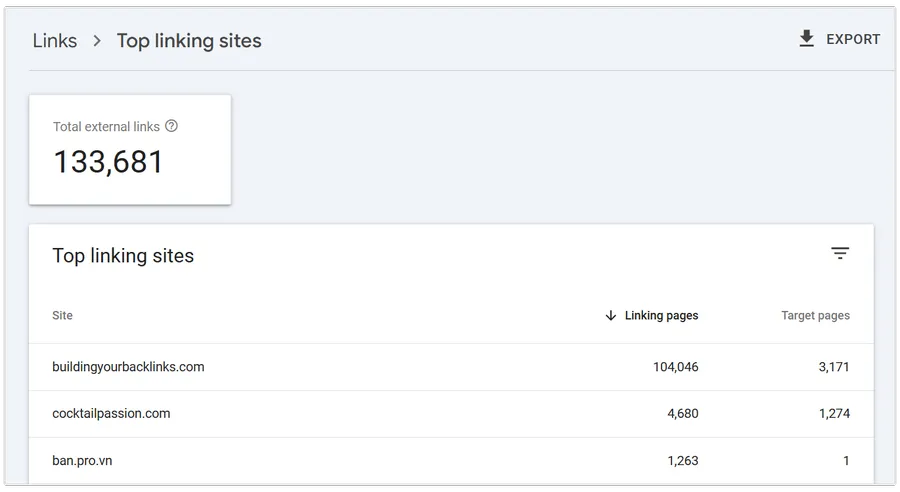
- Navigate to the Google Search Console dashboard.
- Scroll down the left-hand menu and select the “Links” section.
- Under the “External links” heading, locate the “Top linking sites” report.
- This report displays a comprehensive list of domains pointing to the property. Users can export this data into a spreadsheet to facilitate a detailed inbound link analysis.
Ahrefs
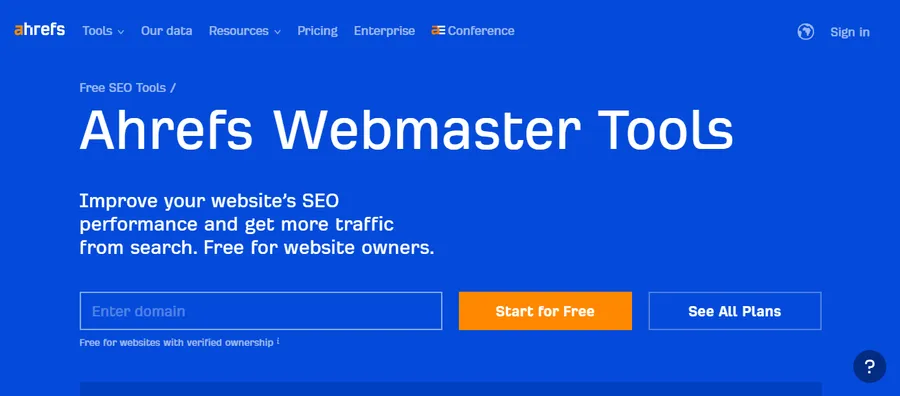
Widely considered the gold standard for backlink research, Ahrefs maintains one of the largest active link indexes in the world.
- Enter the target domain into the “Site Explorer” tool.
- Navigate to the “Backlinks” or “Referring domains” report on the left sidebar.
- Utilize the extensive filtering options to sort the data by Domain Rating (DR), website traffic, dofollow/nofollow status, and specific anchor text.
- Ahrefs makes it incredibly simple to answer the question of who is linking to my site while simultaneously evaluating the exact SEO strength of each individual connection.
Semrush
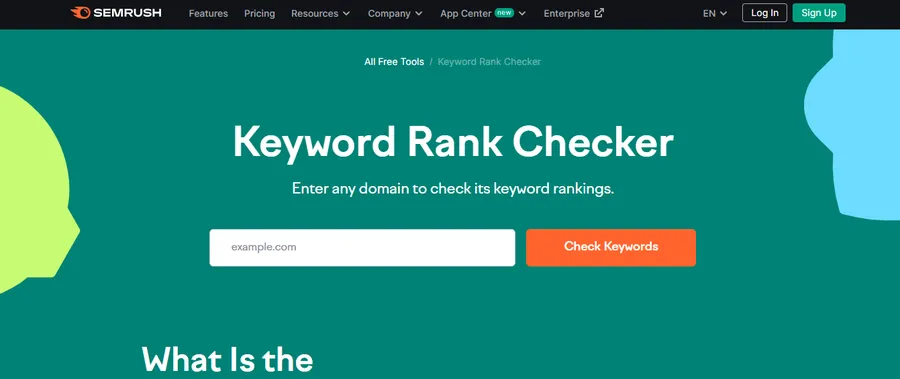
Semrush serves as a powerful all-in-one marketing suite with an exceptional backlink analytics module.
- Access the “Backlink Analytics” dashboard within the platform.
- Input the domain and review the high-level metrics, including Authority Score and total referring domains.
- Click through to the detailed reports to analyze the geographical distribution of links, the topical relevance of linking domains, and historical link acquisition trends.
- Semrush is particularly effective when conducting a competitor backlink analysis, allowing users to benchmark their domain against direct industry rivals.
Moz Pro
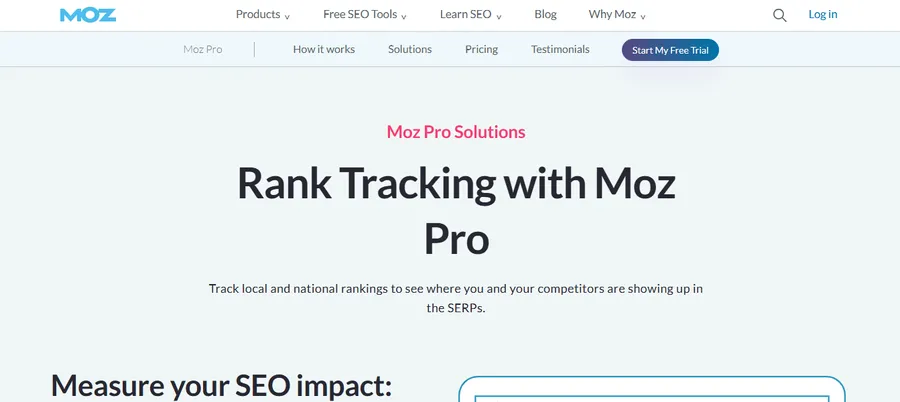
Moz offers a proprietary “Link Explorer” tool that utilizes its well-known Domain Authority (DA) and Page Authority (PA) metrics.
- Enter the URL into the Link Explorer search bar.
- Review the inbound links, paying close attention to the “Spam Score” metric assigned to each referring domain.
- Moz provides excellent visual representations of link data, making it easy to spot sudden spikes or drops in external endorsements.
The Strategy of Competitor Backlink Analysis
One of the most lucrative strategies in modern search engine optimization is reverse-engineering the success of others. If rival companies consistently outrank the target domain, examining their link profiles reveals the blueprint for their success. This practice is known as competitor backlink analysis.
Identifying the Link Gap
The primary goal of a competitor backlink analysis is to discover the “link gap.” This refers to authoritative websites that currently link to competitors, but do not yet link to the target domain. Because these referring sites have already demonstrated a willingness to link to content within this specific industry, they represent high-probability outreach targets.
Step-by-Step Competitor Evaluation
- Identify Direct Organic Competitors: Do not just look at real-world business competitors. Identify the websites that currently hold the top ranking positions for the most valuable target keywords.
- Input Domains into Link Intersect Tools: Platforms like Semrush and Ahrefs offer “Link Intersect” features. Enter the target domain alongside three to five competitor domains.
- Extract the Overlap: The software will generate a list of domains linking to the competitors but ignoring the target site.
- Analyze Content Types: Determine why these sites are linking to competitors. Are they linking to original research, comprehensive guides, or downloadable templates?
- Replicate and Elevate: Create a significantly better version of the content the competitors used to earn those links, and initiate an outreach campaign to the same publishers.
Executing a thorough competitor backlink analysis transforms SEO from a guessing game into a highly structured, data-driven acquisition strategy.
Compiling a Professional Link Building Report
For agencies, freelancers, and in-house professionals, communicating the value of SEO efforts is paramount. After conducting outreach and securing new placements, compiling a formal link building report demonstrates tangible progress to stakeholders.
A standard link building report should never simply be a massive spreadsheet of raw URLs. It must clearly articulate the business value of the acquired links.
Essential Elements of a Link Building Report
- Executive Summary: A brief paragraph summarizing the link acquisition efforts for the month, highlighting major wins (e.g., securing a link from a top-tier industry publication).
- Total Links Acquired: The raw number of new, high-quality placements secured during the reporting period.
- Average Domain Authority: Highlighting the average authority score of the new referring domains proves that the focus remains on quality rather than quantity.
- Target Pages: A breakdown of which specific pages on the website received the new links.
- Lost Links Review: An assessment of any valuable links that dropped during the month, alongside the strategy for reclaiming them.
- Traffic Correlation: Whenever possible, the link building report should overlay the link acquisition timeline with organic traffic growth, demonstrating the direct ROI of the SEO campaign.
By presenting a clean, logical link building report, SEO professionals justify their strategies and secure ongoing support for future content initiatives.
Post-Analysis Actions: Maximizing SEO Health
Knowing who is linking to my site is merely the diagnostic phase. The subsequent actions determine the ultimate success of the website. Based on the findings from the inbound link analysis, webmasters must execute a series of targeted strategies.
Leveraging the “Power Pages”
When the analysis reveals that a specific blog post or resource page has accumulated a massive number of links, capitalize on that authority. Update the content regularly to ensure it remains relevant and continues attracting external references.
Reclaiming Unlinked Brand Mentions
Often, publishers will mention a brand name, a proprietary product, or a key executive within their content without providing a clickable hyperlink. Setting up automated alerts for brand terms allows professionals to spot these instances. A simple, polite email to the author thanking them for the mention and requesting a hyperlink is one of the most effective, low-effort link acquisition tactics available.
Executing the Disavow Strategy
If the analysis uncovers a high volume of dangerous, spam-based links (such as those from illegal gambling sites, known malware networks, or deeply penalized domains), defensive action is required. While search engines are generally adept at ignoring minor spam, severe toxicity requires using the Google Disavow Tool.
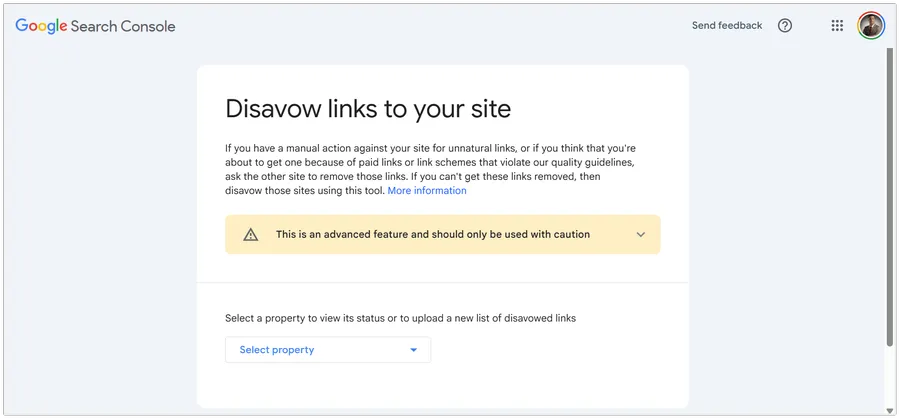
Webmasters must carefully compile a text file containing the exact toxic URLs or entire domains they wish to distance themselves from. By submitting this file to Google Search Console, the webmaster formally requests that the search engine algorithm completely ignore these specific connections when calculating domain authority. This process must be handled with extreme caution; accidentally disavowing high-quality links will immediately devastate organic rankings.
Final Thoughts on Link Profile Management
Building and maintaining a healthy website requires continuous vigilance. The digital landscape shifts daily, with new links appearing and old links fading away. Consistently asking who is linking to my site ensures that the domain remains protected against negative SEO while simultaneously highlighting new pathways for organic growth.
Through the disciplined application of inbound link analysis, the strategic execution of competitor backlink analysis, and the transparent communication provided by a structured link building report, webmasters can transform their backlink profile from a mystery into a powerful, measurable asset.
Treat external links as digital currency; monitor them closely, invest in acquiring high-value assets, and aggressively prune liabilities to achieve lasting dominance in the search engine results.
Frequently Asked Questions (FAQs)
1. How often should I check who is linking to my site?
Best practices suggest conducting a high-level review of your backlink profile at least once a month. However, for large enterprise websites or domains actively engaged in aggressive outreach campaigns, performing an inbound link analysis on a weekly basis ensures that no toxic links go unnoticed and new acquisitions are tracked promptly.
2. Is it possible to perform a competitor backlink analysis for free?
Yes, though the data will be limited. Tools like the free version of Moz Link Explorer or the Ahrefs Webmaster Tools offer basic insights into competitor profiles. However, for a deep, comprehensive competitor backlink analysis that uncovers thousands of hidden link opportunities, investing in premium software like Semrush or Ahrefs is highly recommended.
3. What specific metrics make an external link “good”?
A high-quality link originates from a website with strong domain authority that is topically relevant to your own industry. Furthermore, the link should be a “dofollow” link, placed naturally within the main body of the content, using descriptive but not overly manipulative anchor text. The linking website should also demonstrate healthy organic traffic of its own.
4. How do I remove low-quality or spammy sites linking to me?
First, attempt manual outreach by finding the contact information of the offending website and politely requesting the removal of the link. If manual outreach fails or the site is clearly part of an automated spam network, compile the toxic domains into a .txt file and submit it via the Google Search Console Disavow Tool to ensure search engines ignore those links.
5. What is the most important element of a link building report?
While raw numbers and domain authority scores are crucial, the most important element of a link building report is the correlation between the acquired links and the overall growth in organic traffic or keyword rankings. Stakeholders need to see that the effort spent discovering how to find who links to your website translates directly into measurable business value.
Read more: Is Ahrefs More Reliable Than Moz? (Ultimate Test)
Contact US | ThimPress:
Website: https://thimpress.com/
Fanpage: https://www.facebook.com/ThimPress
YouTube: https://www.youtube.com/c/ThimPressDesign
Twitter (X): https://x.com/thimpress_com