To concisely define what is search engine marketing: It is a targeted digital marketing strategy designed to increase a website’s visibility on search engine results pages (SERPs) exclusively through paid advertising.
Consumers type queries into search bars constantly, driven by a specific, immediate need to find information, solve a problem, or complete a transaction. Capturing the attention of these highly motivated individuals requires precision. By purchasing premium placement at the top of the search results, organizations completely bypass the lengthy waiting periods traditionally associated with organic growth.
This guide breaks down the essential processes, strategic frameworks, and executional steps required to launch and maintain highly profitable paid search campaigns.
Eduma – Education WordPress Theme
We provide an amazing WordPress theme with fast and responsive designs. Let’s find out!
The Evolution and Search Engine Marketing Definition
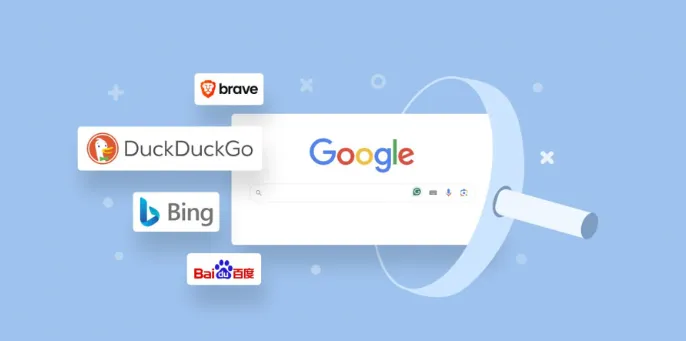
The exact search engine marketing definition has experienced a significant shift over the past two decades. In the early days of digital advertising, the term functioned as an umbrella category encompassing both organic search activities—such as search engine optimization (SEO)—and paid promotional initiatives. Today, industry standards have narrowed this scope. The term now refers almost exclusively to paid search advertising.
This discipline is frequently referred to interchangeably as paid search or PPC. Under this financial structure, an advertiser does not pay a fee simply because their ad appears on a screen. Instead, payment is only required when a user physically clicks on the advertisement and navigates to the destination link.
To fully grasp what is the search engine marketing ecosystem, it helps to contrast it directly with SEO:
| Feature | Search Engine Optimization (SEO) | Search Engine Marketing (SEM) |
| Traffic Type | Organic (Unpaid) | Paid (PPC) |
| Speed of Results | Slow (Months to years) | Immediate (Minutes to hours) |
| Cost Structure | Investment in content/technical labor | Pay per user click |
| Placement | Main body of the SERPs | Top, bottom, or side margins |
Having search engine marketing explained through this comparison highlights its specific utility: rapid, highly controllable lead generation and targeted market testing.
Why Paid Search is a Crucial Investment
With global commerce shifting heavily toward online research and purchasing, deploying a robust paid strategy has become essential for scaling a business.
Capturing High Commercial Intent
The most profound advantage of this methodology lies in consumer psychology. Searchers actively declare their intentions through the words they type. Compared to users passively scrolling through social feeds—who are not actively looking to buy—search engine users possess high commercial intent.
They are looking for a specific answer or product, making them highly qualified prospects ready to convert.
Non-Intrusive, Contextual Advertising
Search marketing reaches individuals precisely when they are open to receiving new information.
Unlike traditional pop-up banners or unskippable videos that disrupt the user experience, paid search ads are entirely contextual. They do not interrupt a user’s task; they provide a direct pathway to complete it.
Immediate Results and Budget Efficiency
Traffic generation happens almost instantaneously upon campaign launch. Furthermore, because charges only accrue upon a click, the budget is spent exclusively on users who demonstrate genuine interest.
Every visitor acquired through these channels also contributes to overall site engagement metrics. Within the broader scope of digital marketing search engine marketing represents one of the most efficient, trackable ways to allocate advertising funds.
How Search Engine Marketing Function
To understand how search engine marketing operates mechanically, one must look at the real-time auction happening behind the scenes of every search results page.
Search platforms utilize incredibly complex, proprietary algorithms to ensure that the most relevant advertisements match the user’s specific query. These systems evaluate multiple data points in milliseconds, including geographic location, device type, time of day, and historical performance data. Sponsored ads then populate the premium real estate above or beside the standard organic results.
While an SEO strategy relies heavily on content marketing to drive organic traffic, an SEM strategy relies heavily on targeted ads to drive paid traffic. Imagine a procurement manager searching for enterprise accounting software.
They type those specific terms into the search bar. Instantly, various software providers whose targeted keywords match the query appear at the top of the page. Because these ads directly address the manager’s immediate need, the probability of engagement is extremely high.
The Operational Workflow
From an operational standpoint, advertising networks are self-serve platforms. Setting up an initiative requires executing a specific sequence of actions:
- Keyword Selection: Identifying the exact phrases potential customers are using.
- Geographic Targeting: Restricting ad visibility to specific countries, states, or zip codes where the business operates.
- Ad Creation: Drafting compelling text that clearly communicates the value proposition.
- Bid Management: Establishing the maximum cost-per-click (CPC) the business is willing to pay for each specific keyword.
Because of this streamlined, highly logical workflow, business leaders consistently view paid search as a reliable avenue for predictable revenue generation.
Examples of Major Search Ad Networks
The digital advertising landscape is primarily anchored by two major networks. Each offers unique advantages regarding reach, cost, and audience demographics.
| Network | Primary Properties | Market Position | Cost Efficiency |
| Google Ads | Google Search, YouTube, Gmail, Partner Sites | Dominant market share, massive global reach. | Higher competition often leads to higher CPCs. |
| Bing Ads | Bing Search, Yahoo Network, AOL | Smaller market share, older demographic skew. | Lower competition generally results in lower CPCs and often higher ROI. |
While Google Ads commands the majority of global search volume, completely ignoring Bing Ads is a strategic oversight. Many advertisers find that securing top ad positions for competitive phrases costs significantly less on Microsoft’s network, yielding highly profitable secondary revenue streams.
Creating an Effective Strategy in 7 Steps
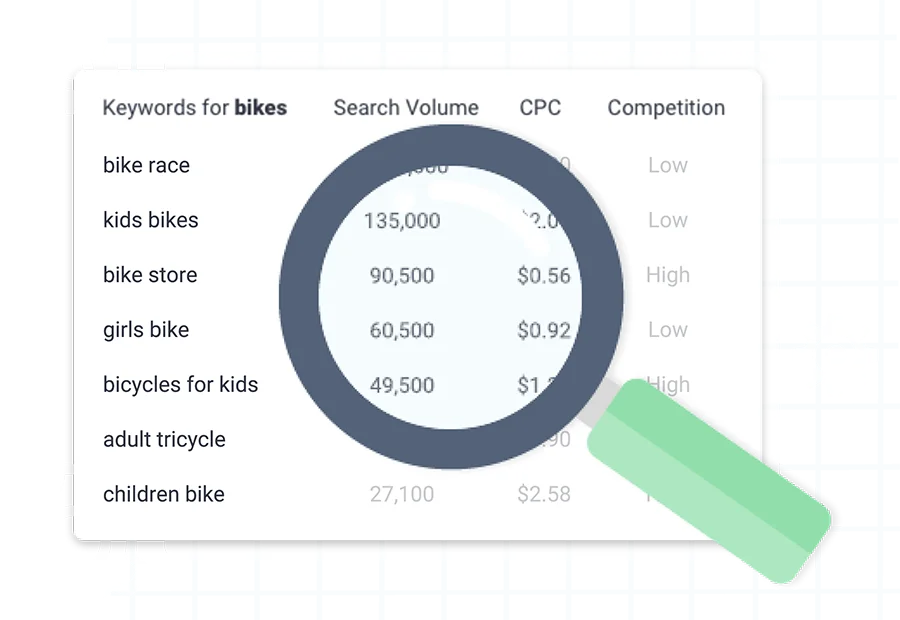
Maximizing the full potential of what is search engine marketing requires strict adherence to a logical, structured methodology. A profitable campaign is built through meticulous execution across the following seven phases.
1. Comprehensive Keyword Research
The foundation of any successful campaign is robust keyword research. Start the entire process by conducting comprehensive keyword research to discover relevant terms using industry-standard tools like Google’s Keyword Planner, SEMrush, or Ahrefs.
The goal is to identify terms situated in the optimal “sweet spot”—keywords with enough search volume to drive meaningful traffic, but not so broad that they drain the budget on unqualified clicks. Additionally, categorizing keywords by match type ensures precise targeting:
- Broad Match: Captures variations and related concepts.
- Phrase Match: Triggers ads when the exact phrase is used, even with words before or after.
- Exact Match: Offers the tightest control, showing ads only for the precise keyword.
2. Structuring PPC Campaigns
Proper account architecture prevents wasted spend and allows for accurate performance analysis. Campaigns should be organized hierarchically based on overarching themes, specific product lines, or distinct geographic regions.
Beneath the campaign level, ad groups should be tightly themed around a small cluster of highly related keywords. For instance, an athletic shoe retailer should separate “men’s running shoes” and “women’s tennis shoes” into completely distinct ad groups. This granularity guarantees that the resulting ad copy is hyper-relevant to the user’s specific search.
3. Crafting Compelling Ad Copy
Once the structural foundation is laid, writing persuasive text is the next priority. Modern text ads consist of several interlocking elements:
- Headlines: The most prominent visual element. Headlines must directly mirror the user’s search intent and grab attention instantly.
- Descriptions: This section elaborates on the headline. It is the ideal place to highlight unique selling points (USPs), guarantees, or specific promotional discounts.
- Ad Extensions: These functional additions expand the ad’s footprint on the page. Utilizing sitelinks, structured snippets, callouts, and phone extensions provides users with more pathways to interact with the business directly from the search results.
4. Optimizing Landing Pages
The destination page carries the heavy burden of converting the newly acquired visitor into a tangible lead or customer. If the ad promises a specific solution, the landing page must immediately deliver it. High relevance between the ad and the landing page boosts the Quality Score—a vital metric that search engines use to determine cost and placement.
Whether a site is custom-built or utilizes a content management system like WordPress, the user experience must be flawless. Essential landing page optimization tactics include:
- Implementing fully responsive, mobile-first design architecture.
- Ensuring rapid page load speeds to prevent bounce rates.
- Placing clear, unambiguous calls-to-action (CTAs) above the fold.
- Aligning the page’s text perfectly with the keyword that triggered the ad.
5. Managing the Bid Strategy
Determining how to pay for clicks requires strategic bidding. Advertisers must choose between manual control and algorithmic automation.
- Manual Bidding: The advertiser manually sets the maximum CPC for every keyword. This is highly recommended for new campaigns, allowing strict budget control while initial performance data is gathered.
- Automated Bidding: Once sufficient conversion data exists, platforms can take over. Algorithms adjust bids in real-time based on the likelihood of a conversion, utilizing strategies like Target Cost-Per-Acquisition (CPA) or Target Return on Ad Spend (ROAS).
6. Allocating Budgets Strategically
Budget distribution should dynamically follow performance data. Funds must be shifted toward the campaigns, ad groups, and target demographics that yield the highest returns.
For instance, business-to-business (B2B) organizations frequently restrict their ad scheduling to standard corporate working hours, as weekend clicks rarely result in qualified leads. Conversely, consumer retail brands might increase budget caps during evening hours or specific holiday weekends to capture peak shopping behavior.
7. Continuous Refinement and Optimization
Launching the ads is merely the starting line. Ongoing maintenance is what transforms a mediocre account into a highly profitable asset. Having search engine marketing explained properly requires emphasizing this continuous feedback loop:
- Monitor Search Terms: Regularly reviewing the actual queries triggering ads allows advertisers to add negative keywords, blocking irrelevant traffic.
- A/B Testing: Constantly testing new headlines and descriptions ensures the click-through rate (CTR) continues to improve over time.
- Remarketing Implementation: Serving tailored follow-up ads to users who previously visited the site but failed to convert keeps the brand top-of-mind during longer decision-making cycles.
Conclusion
Mastering what is search engine marketing is an indispensable skill for driving modern business growth.
By strategically deploying paid search advertising, organizations can intercept high-intent customers at the exact moment they are actively looking for solutions. From understanding the core search engine marketing definition to perfectly executing the seven steps of campaign creation, this framework provides a direct pathway to increased website visibility and reliable revenue generation.
Frequently Asked Questions: What Is Search Engine Marketing
1. What is the fundamental difference between an organic listing and a paid listing?
Organic listings are standard web pages ranked by an algorithm based on relevance, authority, and content quality; these positions cannot be bought. Paid listings are sponsored placements purchased by advertisers, distinctly marked with an “Ad” or “Sponsored” label, designed to appear above or alongside the organic results. Understanding this separates what is the search engine marketing strategy from standard SEO.
2. How does the pay-per-click pricing model actually work?
Advertisers submit a maximum bid representing the highest amount they are willing to pay for a click on a specific keyword. When a search occurs, an instantaneous auction takes place. The advertiser is only charged (usually an amount just high enough to beat the competitor below them) if the user actively clicks the ad and visits the website.
3. What is a Quality Score and why is it critical?
Quality Score is a diagnostic tool utilized by search engines to rate the relevance of an advertiser’s keywords, ads, and landing pages on a scale from 1 to 10. High-quality scores indicate a superior user experience, which search engines reward by granting higher ad placements at significantly lower costs per click.
4. How much capital is required to begin advertising on search networks?
The barrier to entry is financially low, as self-serve platforms allow accounts to launch with daily budgets of just a few dollars. However, the practical budget required depends entirely on industry competition. Highly competitive sectors, such as legal or enterprise software, require significantly larger investments to generate meaningful click volume and actionable data.
5. How rapidly can a business expect to see results from paid search?
Unlike organic optimization, which inherently takes months to build momentum, paid search delivers instantaneous visibility. Once a campaign is built, funded, and approved by the platform’s review system, advertisements begin displaying immediately, making it the premier strategy for rapid traffic generation and immediate market feedback.
Read more: 9 Top Choices for the Best Free Keyword Research Tool
Contact US | ThimPress:
Website: https://thimpress.com/
Fanpage: https://www.facebook.com/ThimPress
YouTube: https://www.youtube.com/c/ThimPressDesign
Twitter (X): https://x.com/thimpress_com