Building an audience is a great achievement, but turning those visitors into a reliable income stream requires a clear plan. Website owners frequently search for the best methods to monetise your website without frustrating their readers. The secret is matching your revenue strategy to your specific audience and the type of content you create.
Whether you run a local business page, a professional portfolio, or a niche blog, there are practical steps to generate income. This guide explains ten effective methods, from selling products to earning passive income.
If you are exploring how to make money from a website, these strategies will provide a logical, easy-to-follow path. You will learn exactly how to create a website and make money while maintaining trust and delivering value to your visitors.
Eduma – Education WordPress Theme
We provide an amazing WordPress theme with fast and responsive designs. Let’s find out!
Summary of Monetization Methods
Before exploring each option in detail, here is a quick overview of the strategies covered in this guide.
| Monetization Strategy | Revenue Type | Setup Difficulty | Best Suited For |
| 1. eCommerce | Direct Sales | High | Retailers, Brands |
| 2. Affiliate Marketing | Commission | Low | Bloggers, Reviewers |
| 3. Digital Products | Direct Sales | Medium | Creators, Designers |
| 4. Courses & Memberships | Recurring | High | Educators, Experts |
| 5. Display Advertising | Passive | Low | High-Traffic Sites |
| 6. Sponsored Content | Flat Fee | Medium | Influencers, Publishers |
| 7. Services & Consulting | Client Work | Medium | Freelancers, Agencies |
| 8. Lead Generation | Data Sales | High | Service Intermediaries |
| 9. Donations | Voluntary | Low | Artists, Open-Source |
| 10. Job Boards | Paid Listings | High | Industry Networkers |
10 Proven Ways to Monetise Your Website
1. eCommerce: Sell Physical Products
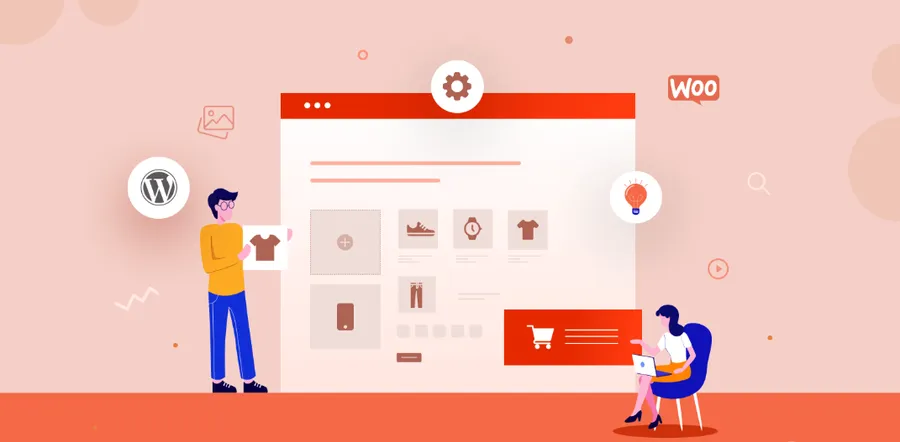
One of the most direct ways to monetise your website is by setting up an online store. This approach transforms a standard page into a digital shop, giving you full control over product quality, branding, and profit margins.
When planning how to create a website and make money through retail, you have three main fulfillment options:
- Create unique products: This offers the highest profit margins but requires upfront investment for manufacturing and storage.
- Buy wholesale: You purchase goods in bulk at a discount and sell them individually at retail price.
- Dropshipping: A third-party supplier handles inventory and shipping. You simply list the products and take a portion of the sale.
To run a successful eCommerce store, the website must be technically sound. Using a reliable platform like WordPress and learning how to set up WooCommerce for your website makes the setup process straightforward.
Utilizing the right eCommerce tools to increase sales is vital. Key factors for a profitable store include:
- Fast loading times: Customers will leave if pages load slowly.
- High-quality visuals: Clear photos and accurate descriptions build trust.
- Secure checkout: Using trusted payment gateways protects customer data and encourages completed sales.
2. Affiliate Marketing: Promote Relevant Goods
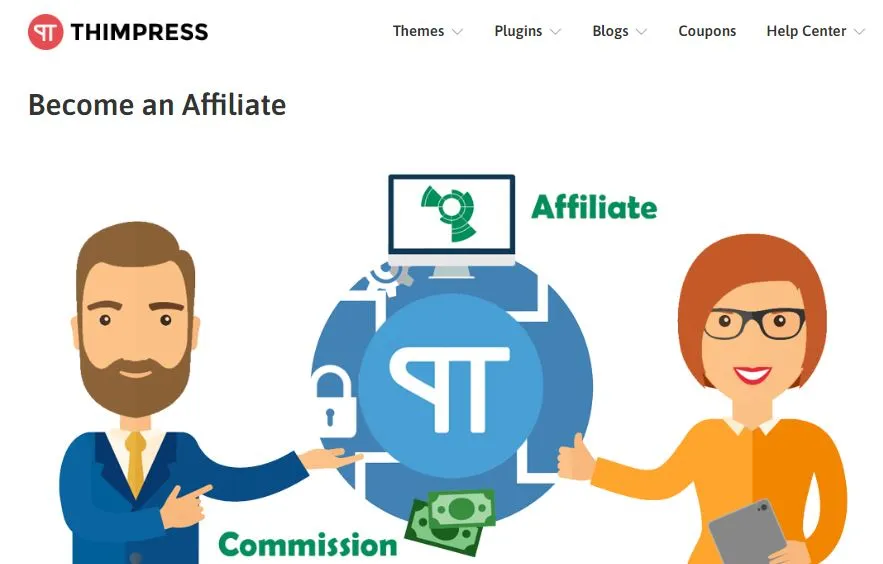
If managing physical inventory sounds too complex, learning how to become an affiliate marketer is an excellent alternative. It allows publishers to earn a commission by promoting other companies’ products. This is a common answer for those wondering how to earn money from website traffic with low initial risk.
The process is simple (often enhanced by the best affiliate marketing plugins for WordPress): you join an affiliate program, receive a unique tracking link, and place it within your content. When a visitor clicks the link and makes a purchase, you earn a percentage of the sale.
To succeed, you must prioritize the audience’s needs. Promoting irrelevant items will quickly damage trust. Instead, focus on items that genuinely solve your readers’ problems.
Effective content formats for affiliate marketing include:
- Product Reviews: Honest assessments of tools you have personally used.
- Comparisons: Articles that help readers choose between two competing options.
- Resource Pages: A curated list of recommended equipment or software for a specific industry.
Always include a clear disclosure stating that the page contains affiliate links. This maintains transparency and complies with legal advertising standards.
3. Digital Products: Sell Your Knowledge
Selling digital files is a highly efficient way to monetise your website. Unlike physical goods, digital products have no shipping costs and never run out of stock. You create the asset once and can sell it an unlimited number of times.
This method is ideal for creatives, developers, and writers looking into how to make website and make money. Popular digital products include:
- eBooks and Guides: Detailed written content covering a specific topic. It is now easier than ever to sell eBooks online.
- Templates: Pre-designed layouts for presentations, resumes, or websites.
- Software and Plugins: Tools designed to improve digital workflows.
- Digital Art: High-resolution photographs, graphics, or audio tracks.
By choosing the best platforms to sell digital products, the sales process can be fully automated. Once a customer pays, the system instantly sends them a secure download link. To maximize sales, ensure the product page clearly explains the benefits and includes a simple, fast checkout process.
4. Online Courses & Memberships

Creating a membership area or an online course takes the digital product model a step further. Instead of a one-time purchase, this strategy often generates recurring revenue. For professionals asking how to monetize a website for the long term, this is one of the most stable business models.
- Online Courses: Knowing how to create an online course in WordPress allows you to offer structured learning through video lessons, reading materials, and quizzes. Students pay a set fee to access the curriculum.
- Membership Sites: Users pay a monthly or annual fee to access exclusive articles, private forums, and ongoing support.
Setting this up requires specific software. Selecting the best LMS plugin for WordPress helps organize lessons, while membership plugins control who can view certain pages. The primary focus here should be delivering consistent, high-quality information that justifies the ongoing subscription cost.
5. Display Advertising: Generate Passive Income

Display advertising is the most traditional method to monetise your website. You reserve space on your pages for ad networks, which then display relevant advertisements to your visitors. You earn revenue based on the number of times the ad is viewed or clicked.
For beginners exploring how to earn money from website visitors, platforms like Google AdSense are easy to install. However, to make a substantial income from ads, the website requires a massive volume of daily traffic, meaning you must actively rank higher on Google.
Important considerations for display ads:
- Placement: Ads should be visible but must not interrupt the reading experience.
- Site Speed: Too many ad scripts will slow down the website.
- Premium Networks: Once traffic reaches a certain threshold, switching to premium networks can significantly increase payout rates.
6. Sponsored Content: Collaborate with Brands
As a website grows in authority, brands will often pay a flat fee to publish promotional content on the platform. This is known as sponsored content. It is a highly direct way to make money from a website if you have a loyal, engaged readership.
Brands may ask for:
- A dedicated review of their newest product.
- A mention within a broader article.
- A promotional post shared across the website and associated social media channels.
To attract these deals, create a professional “Work with Us” page or create a portfolio website to display your influence. This page should clearly list audience demographics, monthly visitor statistics, and past successful partnerships. Always ensure that the sponsored brand aligns with the website’s core topic. Publishing irrelevant sponsored posts will cause readers to lose interest and trust.
7. Services & Consulting: Offer Your Skills
A website can function as a powerful tool to attract clients for professional services. Freelancers, consultants, and agencies use their online presence to demonstrate expertise and capture leads. If you want to know how to create a website and make money quickly, selling your time and skills is often the fastest route.
Common services offered online include:
- Web design and development.
- Search Engine Optimization (SEO) and marketing.
- Business or fitness coaching.
- Freelance writing and graphic design.
To convert visitors into clients, the website needs a strong portfolio page, easily achievable with the best portfolio WordPress themes. Display past work clearly and include testimonials from satisfied customers. Additionally, make it very easy for potential clients to get in touch by using a simple, functioning contact form.
8. Lead Generation: Connect Buyers and Sellers
Lead generation involves capturing contact information from potential customers and selling that data to businesses that offer the requested service. This is an advanced strategy for how to monetize a website, requiring a strong understanding of search intent and the best local SEO tools.
For example, a website focused on home repairs might rank highly for the term “emergency plumbers near me.” When a visitor fills out a form requesting a quote, that information is securely passed to a local plumbing company for a fee.
To build a successful lead generation site, focus on:
- Targeted Traffic: Attracting visitors who are actively ready to hire a professional.
- Clear Forms: Designing short, simple forms that encourage users to submit their details.
- Reliable Partners: Establishing contracts with reputable businesses willing to purchase the leads.
9. Donations: Accept Audience Support
For platforms that provide free, highly valuable content, asking for voluntary donations is a respectful way to generate income. This model is frequently used by open-source software developers, non-profits using charity WordPress themes, independent journalists, and creative artists.
If traditional advertising ruins the user experience, accepting support directly from the audience is a practical alternative to monetise your website.
Best practices for this method include:
- Using trusted platforms: Services like PayPal or Patreon make the process secure and straightforward.
- Explaining the purpose: Clearly state how the funds will be used, such as covering server costs or funding new research.
- Keeping it polite: Place the donation request naturally at the end of articles or in the footer, rather than using aggressive pop-ups.
10. Job Boards & Directories: Build an Industry Hub
Creating a niche job board or a professional directory turns a website into an essential industry resource. This is an excellent method for how to make website and make money if the platform is already recognized as an authority in a specific field.
- Job Boards: Companies pay a fee to list open positions, while candidates browse for free.
- Directories: Easily built using WordPress directory themes, professionals or businesses pay to be listed in a categorized database, making it easier for clients to find them.
Revenue is typically generated by charging flat fees for standard listings, offering premium placements for extra visibility, or charging recruiters for access to a private resume database. This requires specialized directory plugins, but once established, it can run largely automatically.
Conclusion: Your Path to Digital Revenue
The most successful digital entrepreneurs do not rush to use every method simultaneously. Instead, they carefully evaluate how to create a website and make money by choosing one primary strategy that naturally fits their specific audience. Once that initial income stream is stable, adding secondary methods like affiliate marketing or display advertising becomes much easier and creates a stronger financial safety net.
Ultimately, understanding how to monetize a website comes down to balancing revenue generation with an excellent user experience. Always prioritize delivering high-quality, valuable content to the readership.
Frequently Asked Questions (FAQs)
1. What is the best monetization method for a brand new website?
Affiliate marketing is generally the most accessible starting point. It requires no product creation or inventory management. You simply place tracking links in your content and earn a commission when readers make purchases. It is a practical first step in learning how to earn money from website traffic.
2. How many visitors are needed to start making money?
The required traffic depends heavily on the chosen strategy. Display advertising requires tens of thousands of monthly visitors to generate a decent income. In contrast, selling consulting services might only require a few highly targeted visitors each month to secure a well-paying client.
3. Should a website use more than one monetization method?
Yes, diversifying income streams is highly recommended. Relying on a single source of revenue is risky. A balanced approach—such as combining display ads, affiliate marketing, and a digital product—creates a much more stable financial foundation.
4. Why are digital products often recommended over physical goods?
Digital products typically offer much higher profit margins. They do not require warehousing, manufacturing, or shipping. Once the initial file is created, the cost of delivering it to a thousand customers is exactly the same as delivering it to one, making it a highly scalable business model.
5. Can a website survive solely on visitor donations?
Yes, it is entirely possible, provided the website consistently delivers unique and highly valuable content. Many independent researchers, artists, and software developers fund their entire operations through audience contributions. The key is to build a strong, loyal community that genuinely values the work provided.
Read more: How to Create a Graphic Design Portfolio That Gets Hires
Contact US | ThimPress:
Website: https://thimpress.com/
Fanpage: https://www.facebook.com/ThimPress
YouTube: https://www.youtube.com/c/ThimPressDesign
Twitter (X): https://x.com/thimpress_com