The way people look for information has fundamentally shifted.
While traditional search engines remain powerful, AI search engine tools like OpenAI ChatGPT, Google AI Overviews, Perplexity AI, and Anthropic Claude are rapidly changing digital behavior.
Users are no longer just browsing links; they are having conversations with AI to get immediate, synthesized answers.
This shift has fueled the growing importance of AI-generated answers and the rise of zero-click searches—where users get their answers directly on the results page without ever clicking through to a website.
To survive in this new ecosystem, marketers must familiarize themselves with three core concepts: Search Engine Optimization (SEO), Answer Engine Optimization (AEO), and Generative Engine Optimization (GEO).
Understanding AEO vs SEO is now essential for brands that want visibility in both traditional search engines and AI-generated search experiences.
Eduma – Education WordPress Theme
We provide an amazing WordPress theme with fast and responsive designs. Let’s find out!
What Is SEO?
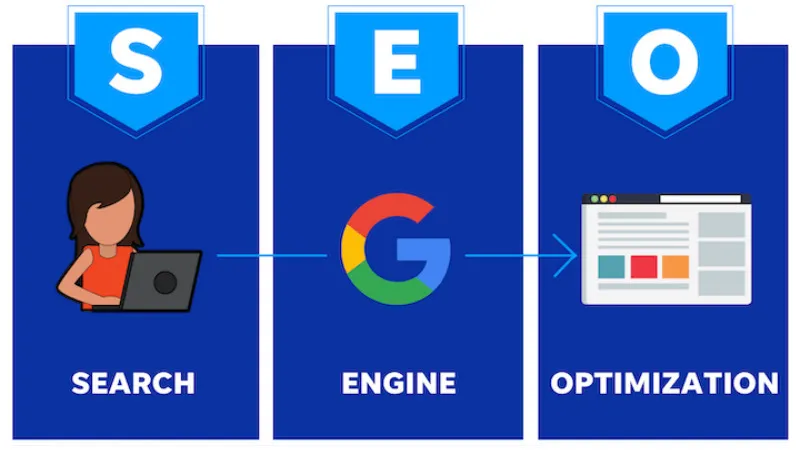
Definition of SEO
Traditional Search Engine Optimization (SEO) is the practice of optimizing your website and content to rank higher on search engines like Google and Bing. The ultimate goal is to capture organic traffic by appearing at the top of Search Engine Results Pages (SERPs) when users look for relevant information.
Core Components of SEO
A strong SEO foundation relies on several key pillars:
- Keywords: Targeting the exact phrases users type into search bars.
- Backlinks: Earning links from other reputable sites to build domain authority.
- Technical SEO: Ensuring site speed, mobile-friendliness, and crawlability.
- On-page SEO: Optimizing title tags, meta descriptions, and header structures.
- Content quality: Providing comprehensive, valuable information.
- User experience: Designing an intuitive and seamless journey for website visitors.
How SEO Works in 2026?
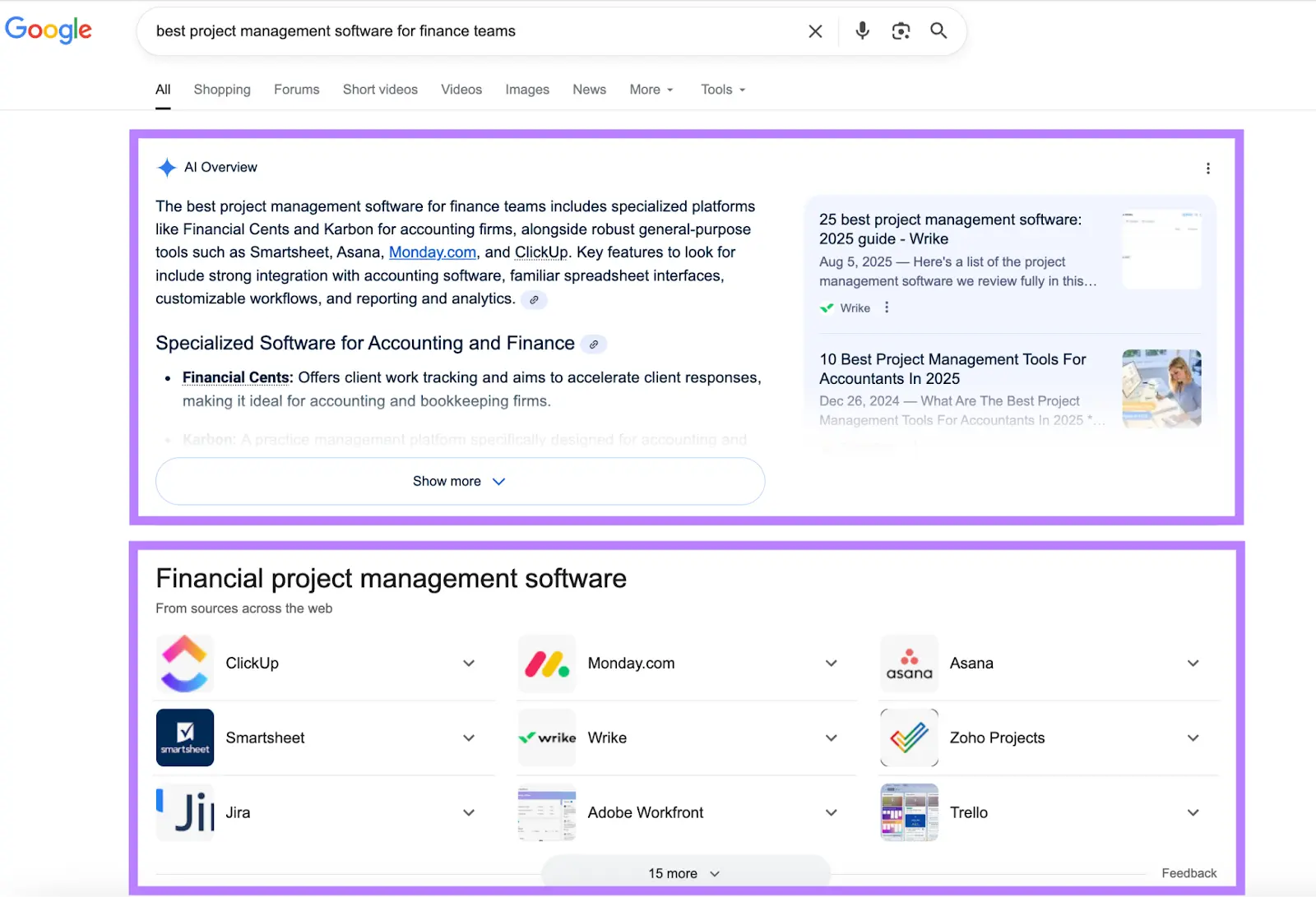
SEO has evolved far beyond ten blue links. Today, traditional search incorporates massive AI elements. Modern SEO requires optimizing for Google AI Overviews, capturing Featured Snippets, and appearing in “People Also Ask” boxes. It heavily involves search intent optimization and entity-based search, where search engines connect ideas and concepts rather than just matching exact keywords.
What Is AEO?
Definition of AEO
Answer Engine Optimization (AEO) is a digital strategy designed to make your content easily discoverable and understandable by AI search engines and voice assistants. Whether a user is asking a question to ChatGPT, Gemini, Claude, or Amazon Alexa, AEO ensures your brand is the source of the answer.
How AEO Works
Unlike traditional search crawlers, AI parses, comprehends, and summarizes vast amounts of information to generate a single response. To succeed in AEO, your content must be optimized for machine readability. The most important factors include:
- Concise, direct answers to specific questions.
- Structured formatting using clear headings and short paragraphs.
- Schema markup to explicitly define the context of your data.
- Semantic clarity that avoids fluff and gets straight to the point.
- Authoritative sources and expert backing.
Why AEO Matters
AEO is critical because zero-click searches are dominating the digital landscape. AI assistants are increasingly replacing traditional browsing behaviors, meaning users are getting what they need without visiting your website. AEO ensures your brand maintains visibility, authority, and trust inside those AI-generated responses.
AEO vs SEO: Core Differences
While they complement each other, SEO and AEO require different approaches. Here is a breakdown of how they compare.
Quick Comparison Table
| Factor | SEO | AEO |
| Main Goal | Rank on search engines | Appear in AI answers |
| Platforms | Google, Bing | ChatGPT, Gemini, Claude |
| User Journey | Search → Click | Ask → Get answer |
| Content Style | Long-form & optimized | Direct & structured |
| Metrics | Rankings & traffic | Mentions & citations |
| Optimization Focus | Keywords & backlinks | Context & semantic meaning |
User Intent in SEO vs AEO
In traditional SEO, browsing behavior is exploratory. Users type short search queries and are willing to click through multiple links to research a topic. In AEO, user behavior is conversational. People use natural-language prompts and expect the AI to do the heavy lifting of synthesizing the research for them.
Traffic vs Visibility
SEO prioritizes clicks. The goal is to drive the user away from the search engine and onto your webpage. AEO prioritizes mentions, citations, and authority. The goal is brand exposure and trust, even if the user never clicks a link to visit your site.
Ranking Factors vs Citation Factors
- SEO factors: Backlinks, Core Web Vitals, and keyword relevance dictate where a page ranks.
- AEO factors: Entity recognition, semantic relevance, trustworthy sources, and highly structured content dictate whether an AI chooses to cite your information.
SEO vs GEO vs AEO: Understanding the Differences
What Is GEO?
Generative Engine Optimization (GEO) is the practice of optimizing content specifically for generative AI platforms. While AEO focuses heavily on providing direct answers to specific questions (like voice search or quick summaries), GEO focuses on ensuring your brand and content are woven into the larger, complex narratives generated by Large Language Models (LLMs).
SEO vs GEO vs AEO Comparison Table
| Aspect | SEO | AEO | GEO |
| Primary Target | Search engines | Answer engines | Generative AI platforms |
| Goal | Website rankings | AI answers | AI citations & visibility |
| Examples | Google Search | Google AI Overviews | ChatGPT, Perplexity |
| Main Strategy | Keywords & links | Structured answers | Entity authority |
| Success Metric | Organic traffic | Answer inclusion | AI brand mentions |
AEO vs SEO vs GEO — Which One Matters Most?
Businesses need all three. There is a massive overlap between these strategies; strong SEO provides the authority needed for AEO, and structured AEO content fuels broader GEO visibility. AI search is expanding the digital ecosystem, not replacing traditional SEO entirely. A unified approach is the only way to capture the full spectrum of modern search intent.
How SEO, AEO, and GEO Work Together
Why SEO Still Matters for AI Visibility
AI models are trained to prioritize trustworthy information. Strong domains with excellent traditional SEO profiles get cited more often because high organic rankings signal credibility to the AI.
How AEO Enhances SEO
Optimizing for Answer Engines makes your content cleaner and easier to parse. Highly structured answers and clear semantic formatting directly improve your chances of capturing traditional Featured Snippets and ranking well in Google’s standard search results.
How GEO Connects Both Worlds
AI systems use trusted web content as their foundational training data. GEO takes the authority built by SEO and the structure built by AEO, amplifying your brand’s overall visibility and share of voice across the entire LLM ecosystem.
Best Practices for Winning in SEO and AEO
Create Original, Expert-Driven Content
AI can summarize existing information, so your content needs to offer what AI cannot generate on its own. Focus on research-backed insights, first-hand experience, and quotes from recognized industry experts.
Use Clear Content Structure
Information architecture is vital for both web crawlers and LLMs. Use a strict H1, H2, and H3 hierarchy. Break down complex ideas using bullet points, tables, and dedicated FAQ sections.
Optimize for Entities and Semantic Search
Move beyond exact-match keywords. Use consistent terminology, clearly define brand entities, and naturally incorporate related concepts so AI understands the full context of your topic.
Add Schema Markup
Speak directly to machines using structured data. Implement FAQ schema, Article schema, and Product schema to explicitly label your content’s purpose and meaning.
Improve Brand Authority
AI tools look for widespread consensus. Build your reputation through high-quality backlinks, positive PR mentions, customer reviews, and active community discussions across platforms like Reddit and industry forums.
Keep Content Fresh
Outdated information is ignored by AI search engines. Regularly update your statistics, refresh old screenshots, and add new sections to address the latest AI search trends.
How to Measure Success in AEO vs SEO
Traditional SEO Metrics
- Organic traffic volume
- Keyword rankings on SERPs
- Click-Through Rate (CTR)
- Bounce rate and dwell time
AEO Metrics
- Direct AI citations and source links
- Overall AI visibility scores via tracking platforms
- Unlinked brand mentions in AI responses
- Presence in featured snippets and AI Overviews
GEO Metrics
- Contextual AI-generated references to your brand
- Share of voice across multiple LLMs
- Citation frequency in complex, multi-step generative prompts
Common Mistakes in AEO and SEO
Over-Optimizing for Keywords
Keyword stuffing harms readability and alienates both human users and advanced semantic AI models.
Ignoring Structured Data
Failing to use schema markup forces AI to guess the context of your content, drastically reducing your chances of being cited.
Publishing Generic AI Content
Publishing AI-generated fluff without adding unique human insights or original data ensures your content will never stand out as an authoritative source.
Neglecting Authority Signals
Great content on a site with zero backlinks, no brand mentions, and poor reviews will struggle to gain traction in both Google and ChatGPT.
Failing to Update Old Content
Letting top-performing posts decay with outdated information guarantees you will lose both organic rankings and AI citations to fresher competitors.
Future of Search: Will AEO Replace SEO?
Why SEO Is Still Important
AEO will not kill SEO. Google still drives massive amounts of global web traffic, and traditional websites remain the foundational data sources that feed AI models. If foundational SEO collapses, AI loses its source material.
The Rise of AI Search
The growth of conversational interfaces is undeniable. Users are adopting AI-generated discovery journeys for complex research, comparisons, and quick answers.
The Future Is Hybrid Search
The future is not a battle of SEO vs AEO. It is a hybrid search reality. Success requires a multi-platform visibility strategy that blends SEO, AEO, and GEO seamlessly
Conclusion
The evolution from traditional search to AI-driven discovery requires a shift in digital strategy. While SEO builds the foundation of authority and drives organic traffic, AEO ensures your content is cleanly structured to answer specific questions directly. Generative Engine Optimization (GEO) represents the next frontier, weaving your brand into the broader narratives of generative AI.
To stay relevant, businesses must optimize for search engines, answer engines, and generative AI platforms simultaneously.
Brands that combine SEO, AEO, and GEO strategies will gain the strongest visibility in the future of AI-driven search.
FAQs
What is the difference between AEO and SEO?
SEO focuses on ranking web pages high in search engine results to drive website traffic. AEO focuses on structuring content so it can be cited and displayed directly within AI-generated answers.
Is AEO replacing SEO?
No, AEO is not replacing SEO; it complements it. AI models rely on the authoritative content surfaced by strong SEO practices to generate their answers.
What is GEO in SEO?
Generative Engine Optimization (GEO) is the strategy of optimizing content so that it is understood, referenced, and utilized by generative AI models like ChatGPT and Perplexity in their comprehensive, conversational outputs.
Which is better: SEO vs AEO?
Neither is inherently better; both are essential. SEO is necessary for driving clicks and building domain authority, while AEO is critical for zero-click visibility and brand awareness in conversational AI.
Can one page rank for SEO and AEO together?
Yes. A hybrid optimization approach—featuring deep expertise for SEO and structured, concise summaries for AEO—allows a single page to perform exceptionally well across traditional search and AI platforms.
How do AI tools like ChatGPT choose sources?
AI tools select sources based on domain authority, clear structural formatting, data freshness, and high semantic relevance to the user’s specific prompt.
What are the best tools for AEO and GEO tracking?
The best tools for monitoring both traditional rankings and AI visibility include Semrush, Ahrefs, and Similarweb.
Read more: 7+ Best AEO Tools for AI Visibility, Mentions, and GEO
Contact US | ThimPress:
Website: https://thimpress.com/
Fanpage: https://www.facebook.com/ThimPress
YouTube: https://www.youtube.com/c/ThimPressDesign
Twitter (X): https://x.com/thimpress_com