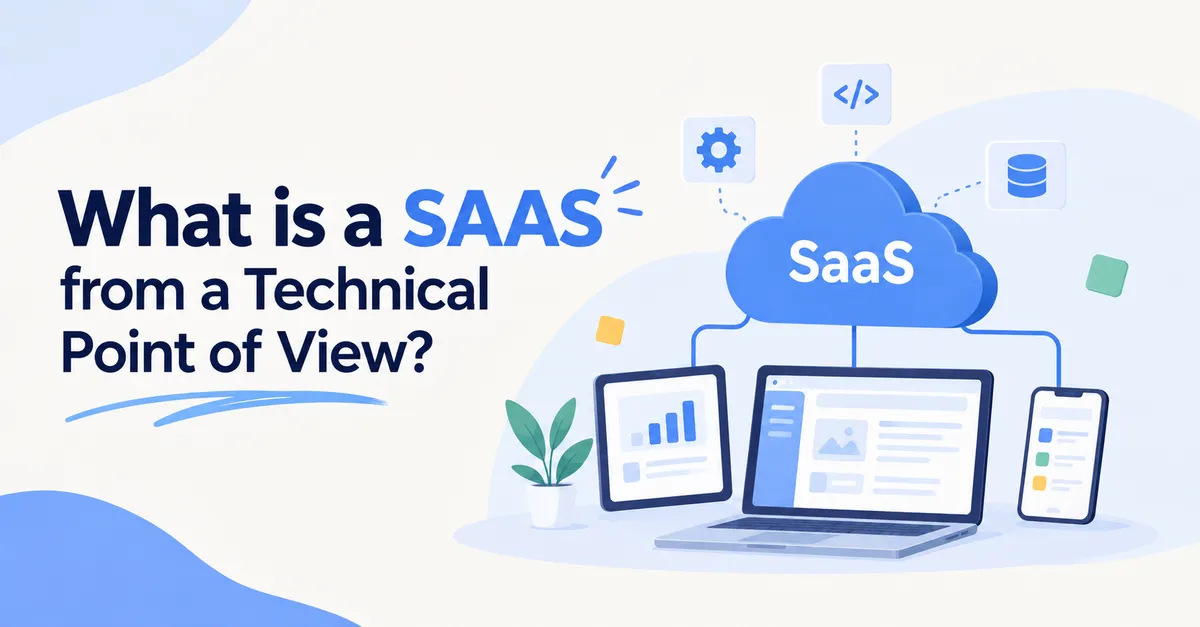
Understanding what is a SaaS (Software as a Service) is essential for organizations seeking agile, cost-effective digital solutions without the heavy overhead of managing underlying hardware or infrastructure.
When transitioning your digital ecosystem away from local servers toward advanced infrastructure, exploring resources such as the best cloud hosting services can provide additional strategic context.
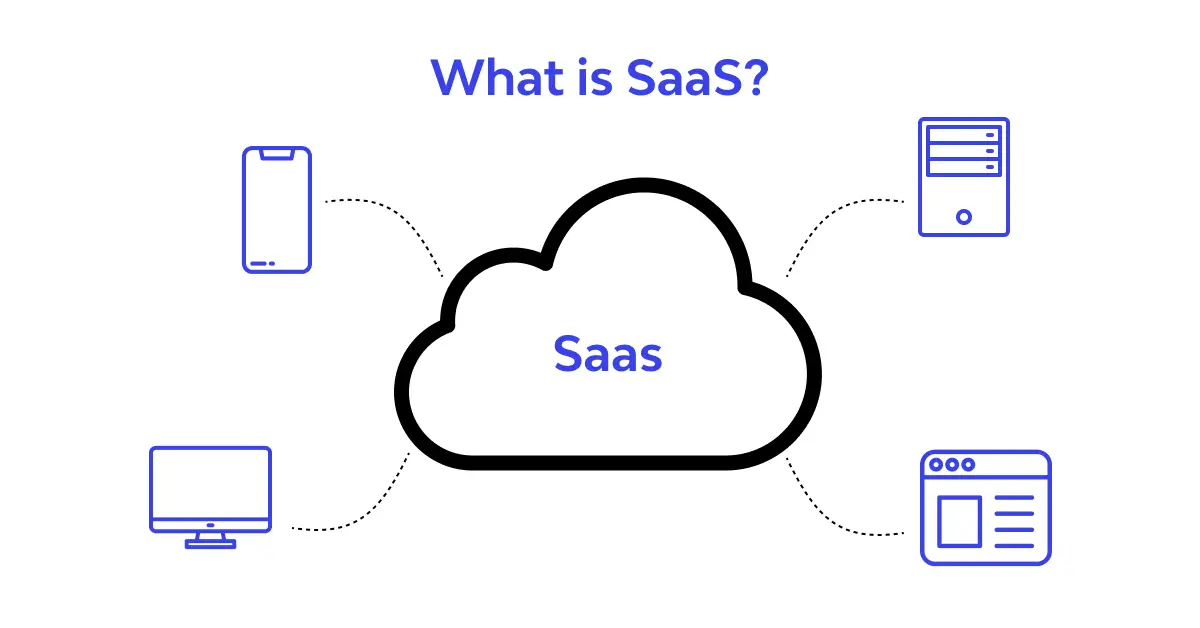
Instead of purchasing perpetual licenses and installing applications locally on individual device hard drives, users access fully managed applications securely over the internet through a standard web browser or dedicated client.
This cloud delivery model has completely transformed enterprise and consumer technology, driving a multi-hundred-billion-dollar global market where everyday productivity tools, customer relationship management systems, and enterprise resource planning platforms are delivered seamlessly on demand.
Eduma – Education WordPress Theme
We provide an amazing WordPress theme with fast and responsive designs. Let’s find out!
TL;DR
| Topic Area | Core Takeaway |
| Definition | A cloud delivery model where applications are hosted centrally and accessed via the internet on a subscription basis. |
| Architecture | Utilizes multi-tenant architecture, ensuring data segregation, automatic updates, and zero local maintenance for users. |
| Cloud Spectrum | Sits alongside IaaS (infrastructure) and PaaS (development platforms) as a fully managed end-user software solution. |
| Business Value | Delivers rapid deployment, predictable operational expenditures, scalable pricing tiers, and minimal IT overhead. |
| Key Challenges | Potential risks include SaaS sprawl, shadow IT, third-party data dependency, and vendor lock-in. |
1. The Evolution and Core Definition of SaaS
The foundational concept of delivering hosted applications remotely has roots stretching back to the mainframe computing era of the 1950s, when remote terminals interacted with centralized computers.
However, modern Software as a Service emerged in 1999 when pioneering platforms launched customer relationship management (CRM) systems hosted in the cloud and delivered directly to web browsers.
For organizations looking to implement these solutions, choosing the best CRM software ensures streamlined client tracking and automated sales pipelines.
Today, this model represents the dominant sector of public cloud computing.
Modern enterprises—ranging from nimble startups to massive multinational corporations—rely extensively on cloud-hosted applications for everyday communication, file storage, data analytics, and workflow automation. Market analytics estimate the global valuation of cloud application markets at nearly USD 400 billion, with projections indicating continuous rapid expansion over the coming decade.
Compared to traditional on-premises software, a typical SaaS product offers organizations instant accessibility, faster time-to-value, significantly reduced administrative expenses, and highly predictable operational budgeting.
2. How SaaS Applications Work Under the Hood
To understand why cloud-delivered applications function so efficiently, it is necessary to examine their underlying architecture and operational framework. All standardized SaaS app solutions share several distinct technical characteristics:
- Cloud Infrastructure Hosting: Applications are hosted entirely on cloud servers managed either by the software vendor directly or through established enterprise cloud service providers, ensuring global accessibility and robust scalability.
- Universal Browser and Device Access: Users require only an internet connection and a compatible device. Whether operating on a desktop browser, tablet, or smartphone, the software delivers a consistent user experience.
- Multi-Tenant Architecture: A single centralized instance of the software serves multiple distinct customer accounts (tenants). According to the technical guidelines on multi-tenancy, advanced security protocols strictly segregate each tenant’s database, user credentials, and custom configurations to maintain absolute privacy.
- Zero Local Maintenance: The vendor assumes full responsibility for server provisioning, hardware maintenance, load balancing, data backups, disaster recovery, and the application of security patches.
- API-Driven Integration: Most modern solutions provide robust application programming interfaces (APIs) that allow businesses to integrate their chosen SaaS software with existing enterprise databases and third-party tools.
3. SaaS vs. Cloud Computing: Clarifying the Differences
Cloud computing represents a broad technological framework that provides on-demand access to virtual servers, data storage networks, networking hardware, software development tools, and artificial intelligence analytics over the internet.
Within this expansive ecosystem, Software as a Service operates as a specific service subset focused exclusively on delivering end-user applications.
While broader cloud computing encompasses infrastructure and development environments, cloud-hosted software relies entirely on underlying cloud infrastructure to function.
Without robust cloud servers, storage networks, and networking protocols, these web-delivered applications cannot exist.
4. Comparing Cloud Models: IaaS vs. PaaS vs. SaaS
Enterprise cloud strategies frequently incorporate three primary service models: Infrastructure as a Service (IaaS), Platform as a Service (PaaS), and Software as a Service (SaaS).
Each model distributes technical responsibilities differently between the service provider and the customer.
| Cloud Model | Primary Focus | Provider Responsibility | Customer Responsibility | Best Suited For |
| IaaS | Basic virtualized computing infrastructure | Physical servers, data centers, storage, networking | Operating systems, middleware, runtimes, data, applications | Enterprises requiring complete control over custom IT infrastructure |
| PaaS | Cloud-based development and deployment environment | Infrastructure, operating systems, databases, runtime tools | Application code, custom configurations, data management | Development teams building specialized custom software applications |
| SaaS | Fully functional, ready-to-use software applications | Everything: infrastructure, operating systems, code, updates, security | User access permissions, basic settings, data inputs | Businesses seeking immediate, reliable productivity tools without setup friction |
Infrastructure as a Service (IaaS)
IaaS offers a flexible alternative to physical on-premises data centers, delivering virtualized computing resources over the internet.
While it provides organizations with maximum control over operating systems and server configurations, it is also the most hands-on model. Internal IT teams must manage operating systems, security updates, and middleware, requiring substantial technical expertise.
Platform as a Service (PaaS)
PaaS acts as a middle layer within the cloud computing stack, supplying a comprehensive environment for developers to build, test, and manage applications without managing underlying hardware.
By handling operating systems and runtime environments, PaaS streamlines development pipelines while leaving application features and data management under customer control.
Software as a Service (SaaS)
SaaS removes virtually all technical burdens from the customer. The provider manages the entire application stack from code deployment to physical server maintenance.
Users simply log in via a browser or dedicated SaaS website portal to utilize fully formed tools—such as calendar management systems, email marketing suites, or enterprise collaboration platforms—without worrying about backend maintenance or unexpected server outages.
5. SaaS vs. Model as a Service (MaaS)
As artificial intelligence transforms the technology landscape, Model as a Service (MaaS) has emerged as a specialized delivery method.
MaaS provides pre-trained machine learning and artificial intelligence models to users through APIs, enabling businesses to integrate advanced predictive analytics, natural language processing, and computer vision into their daily workflows without training models from scratch.
While MaaS focuses on machine learning intelligence, SaaS software sales and application frameworks frequently incorporate MaaS APIs to enhance core product offerings.
By embedding MaaS capabilities, modern applications can deliver automated customer service chatbots, intelligent fraud detection, and personalized user recommendations instantly.
6. Potential Challenges and Operational Risks of SaaS
Despite offering tremendous operational agility, adopting cloud-hosted software introduces specific risks and governance challenges that organizations must proactively manage:
- SaaS Sprawl: Unchecked, decentralized procurement across different departments often leads to bloated software portfolios, redundant subscriptions, wasted budget, and fragmented data silos.
- Shadow IT: As documented in risk management frameworks for shadow IT, employees utilizing unauthorized third-party applications without IT department knowledge or oversight can expose corporate networks to severe security vulnerabilities and compliance failures.
- Data Governance and Control: Organizations must entrust their sensitive corporate data to third-party vendors, limiting direct oversight regarding how data is stored, backed up, and protected.
- Vendor Lock-In: Transitioning away from a deeply integrated software vendor can prove difficult if data migration formats are incompatible or if specialized workflows cannot easily be replicated on alternative platforms.
7. Core Benefits of SaaS Over Traditional Software
Evaluating cloud-hosted solutions against traditional on-premises software highlights why organizations increasingly favor subscription-based digital tools:
- Immediate Deployment and Time-to-Value: Users can purchase subscriptions and begin utilizing a new SaaS platform within minutes, bypassing the lengthy procurement, server provisioning, and manual installation processes required for traditional software.
- Real-Time Automated Updates: Vendors push feature enhancements, performance optimizations, and critical security patches continuously in the background, ensuring users always operate on the most secure and up-to-date software version.
- Cost-Effective Scalability: Businesses can effortlessly scale subscription tiers upward or downward in response to fluctuating operational demands, eliminating the expense of idle capacity.
- Predictable Operational Budgeting: Subscription pricing models convert large capital expenditure investments into manageable, predictable operational expenses while eliminating internal hardware maintenance overhead.
8. Understanding SaaS Pricing Models
Cloud applications utilize flexible, access-based subscription models rather than traditional perpetual licensing. Vendors structure their pricing around several common frameworks:
- Flat-Rate Pricing: A straightforward model offering a single fixed price for unlimited access to all platform features, appealing to businesses seeking absolute budgetary predictability.
- Usage-Based Pricing: Customers pay according to their actual resource consumption—such as the number of monthly emails sent, API calls executed, or data volume processed.
- Tiered Pricing: When evaluating the best email marketing platforms for your campaigns, vendors organize features into distinct pricing tiers (e.g., Standard, Professional, Enterprise) corresponding to user counts, contact limits, or advanced functionality.
- User-Based Pricing: Pricing scales linearly on a “per-seat” basis, increasing as more individual team members require access to the application.
- Freemium Models: Vendors offer basic software features at zero cost indefinitely, or provide limited-time trial versions with incentives to upgrade to paid professional tiers.
9. Key Emerging SaaS Trends
The software industry continues to evolve rapidly, driven by advanced artificial intelligence, mobile-first design philosophies, and specialized niche markets:
- Mobile-First Development: Providers prioritize responsive mobile design, ensuring that any modern SaaS app delivers an optimized, seamless user experience across smartphones and tablets.
- Artificial Intelligence Integration: Modern SaaS providers are also turning to AI—often leveraging the best generative AI tools—to deliver smarter, more efficient, more secure solutions. Predictive analytics is a standout feature, helping companies pinpoint and anticipate market trends, streamline operations, and personalize user experiences.
- Zero-Trust Security Frameworks: Shifting away from implicit user trust, modern cloud security relies on continuous identity verification, rigorous access permissions, and automated compliance monitoring.
- Low-Code and No-Code Platforms: Visual development tools empower non-technical professionals to build custom workflows and automate tasks without writing complex code.
- Vertical SaaS: Specialized solutions designed explicitly for niche industries—such as healthcare compliance management or specialized construction supply chain tracking—addressing specific operational challenges that horizontal software cannot solve.
- Micro-SaaS: Compact, highly targeted applications developed by small teams that integrate tightly with major ecosystems to solve hyper-specific market needs.
Conclusion
Understanding what is a SaaS and its place in the modern cloud landscape is essential for organizations looking to innovate rapidly while maintaining operational agility. By shifting from traditional, installation-heavy software to cloud-hosted subscriptions, businesses gain instant access to continuous updates, predictable cost structures, and unparalleled scalability across global teams.
While managing risks like SaaS sprawl and data governance requires proactive oversight, the strategic benefits far outweigh the challenges. As artificial intelligence and vertical specialization continue to shape the next generation of cloud tools, adopting a well-planned SaaS strategy remains one of the most effective ways to foster long-term growth and technical efficiency.
Frequently Asked Questions (FAQs)
What is a SaaS in simple terms?
It is a software delivery method where applications are hosted by a third-party provider and accessed securely over the internet via a web browser, eliminating local installation and maintenance requirements.
How does SaaS differ from traditional software licensing?
Traditional software involves purchasing a perpetual license with a large upfront cost and installing it locally. SaaS utilizes a recurring subscription model where users pay for ongoing access while the vendor handles all server maintenance and updates.
Can a business customize a cloud-hosted application?
Yes, but customization is typically limited compared to on-premises software or IaaS platforms. Users can configure user permissions, workflow rules, and dashboard layouts, but core source code modification is managed exclusively by the vendor.
What are the main security risks associated with cloud software?
Primary concerns include potential data privacy vulnerabilities, unauthorized third-party access if credentials are compromised, shadow IT usage, and reliance on the vendor’s security infrastructure.
Are cloud applications suitable for large enterprises?
Absolutely. Enterprises frequently manage complex operations using scalable enterprise-tier subscriptions that offer dedicated support, custom SLAs, and advanced security compliance frameworks.
Read more: 5 Digital Marketing Courses Online to Learn SEO and Marketing
Contact US | ThimPress:
Website: https://thimpress.com/
Fanpage: https://www.facebook.com/ThimPress
YouTube: https://www.youtube.com/c/ThimPressDesign
Twitter (X): https://x.com/thimpress_com