Facebook remains one of the largest content distribution platforms in the world. While paid ads dominate many marketing conversations, organic Facebook traffic is still very real—especially for website owners who understand how Facebook’s algorithm works and how users actually behave on the platform.
For bloggers, WordPress site owners, course creators, and online businesses, Facebook should not be treated as the final destination. Instead, it works best as a traffic engine—a channel that consistently pushes interested users toward your website, where you control content, conversions, and long-term growth.
In this guide, you’ll learn 10 proven strategies to generate free Facebook traffic. Each strategy includes a detailed overview followed by clear, actionable bullet points you can apply immediately.
Eduma – Education WordPress Theme
We provide an amazing WordPress theme with fast and responsive designs. Let’s find out!
Why Facebook Is Still a Powerful Free Traffic Source
Many marketers assume Facebook organic reach is dead. In reality, Facebook has shifted its priorities—not eliminated organic opportunities.
The platform now favors meaningful interactions, community-driven content, and posts that keep users engaged.
If your content encourages comments, shares, and discussions, Facebook will continue showing it to more people. This makes Facebook particularly powerful for website owners who publish educational content, tutorials, guides, and opinion-based posts.
More importantly, Facebook traffic compounds. One strong post can generate clicks for days or weeks, especially when it continues receiving engagement.
Prepare Your Website Before Driving Facebook Traffic
Before focusing on Facebook growth, your website must be ready to receive and retain visitors. Sending traffic to an unoptimized site often results in high bounce rates and wasted effort.
Facebook users behave very differently from search visitors. They usually arrive casually, often on mobile devices, and expect immediate value. If your site is slow, cluttered, or unclear, they will leave within seconds. That’s why optimizing performance—especially loading speed—is critical before driving traffic. If your site feels sluggish, this guide on how to improve website speed on WordPress can help you fix common issues and create a smoother user experience.
Your website should make it easy for Facebook visitors to quickly understand what you offer and what action they should take next.
Preparation checklist:
- Ensure fast loading speed on mobile devices
- Use clear headings and short, scannable paragraphs
- Include a visible call-to-action (newsletter, course, or product)
- Match page content with the intent of your Facebook post
Once your website is properly optimized, Facebook becomes far more effective as a free and sustainable traffic channel.
1. Turn Your Facebook Page into a Traffic Gateway
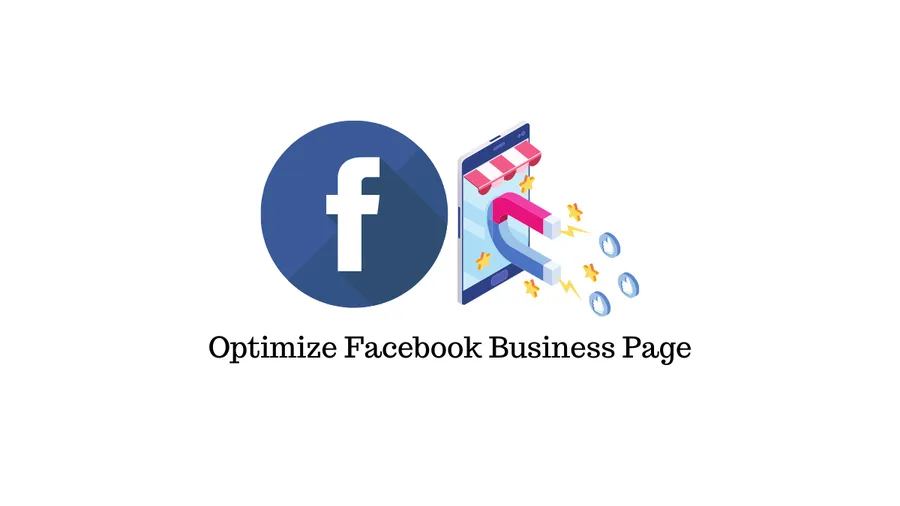
Your Facebook Page functions like a storefront window. It’s often the first impression users have of your brand, and it should clearly guide visitors toward your website.
Many pages fail because they focus only on posting content, while ignoring structural elements that quietly drive clicks over time. Optimizing your page ensures that every visit has traffic potential.
How to optimize your Facebook Page:
- Complete all profile details, including website URL and About section
- Use a clear CTA button like “Learn More” or “Visit Website”
- Pin a post that links to your most important page
- Align cover image messaging with your website’s core offer
A well-optimized page continuously sends traffic to your site—even when you’re not posting.
2. Create Click-Worthy Content Facebook Actually Promotes
Content is the primary driver of free Facebook traffic. However, Facebook does not promote posts simply because they contain a link—it promotes content that generates interaction. Likes, comments, and shares signal value, helping your post reach a wider audience organically.
The key is finding the right balance between engagement and click intent. Your posts should spark curiosity or conversation while clearly suggesting that deeper, more actionable value exists on your website.
This approach aligns closely with the fundamentals of content marketing, where the goal is to attract and guide users rather than push direct promotion.
If you’re new to this concept, this beginner-friendly guide on what content marketing is and how it works explains the strategy in more detail.
To maximize organic reach and clicks, follow these content best practices:
- Write captions that introduce a problem instead of giving the full solution
- Use storytelling or personal insights to build emotional connection
- Place links naturally, avoiding overly promotional language
- Focus on one clear idea or message per post
When users comment on or share your content, Facebook extends its reach automatically—bringing in more free traffic over time without additional effort.
3. Leverage Facebook Groups as Niche Traffic Sources
Facebook Groups are one of the most underrated organic traffic sources. Group members are already segmented by interest, making them ideal audiences for your content.
However, success in groups depends on trust. Aggressive link sharing rarely works. Instead, value-driven participation builds authority and curiosity.
Group traffic strategies:
- Join groups closely related to your niche
- Answer questions thoroughly before linking
- Share summaries and link to full resources on your site
- Create your own group to build a long-term community
When done correctly, Facebook Groups can outperform Pages in traffic quality.
4. Use Short-Form and Live Content to Push Traffic
Facebook prioritizes native formats such as Live videos, Reels, and Stories. These formats increase visibility and help you build a stronger personal connection with your audience.
Live and short-form content work best when they preview value rather than deliver everything upfront.
For example, if you’re offering online courses, you can briefly explain a learning outcome and direct viewers to a structured solution on your website. Platforms like LearnPress make it easy to turn that interest into action by hosting full courses, lessons, and enrollments in one place.
Effective usage ideas:
- Host live Q&A sessions and reference blog resources
- Use Stories to highlight new posts or updates
- Mention your website verbally during Live videos
- Add links in descriptions and pinned comments
These formats humanize your brand while subtly directing users to your site.
5. Publish When Your Audience Is Ready to Click
Timing significantly affects engagement and reach. Posting when your audience is active increases the likelihood of comments, which in turn boosts visibility.
Rather than guessing, use data to guide your posting schedule.
Optimization tips:
- Analyze Facebook Insights for active hours
- Test multiple posting times weekly
- Maintain consistency over volume
- Align post timing with audience habits
Strategic timing can dramatically increase organic traffic without additional effort.
6. Increase Reach Through Meaningful Interactions
Engagement is not optional on Facebook—it is the currency of visibility. The more conversations your posts generate, the more traffic potential they have.
Actively participating in discussions signals to Facebook that your content is valuable.
Interaction techniques:
- Reply to every relevant comment
- Ask open-ended questions in captions
- Use polls and discussion prompts
- Acknowledge community contributions
Engagement-driven posts consistently outperform passive content.
7. Stop the Scroll with Visual-First Posts
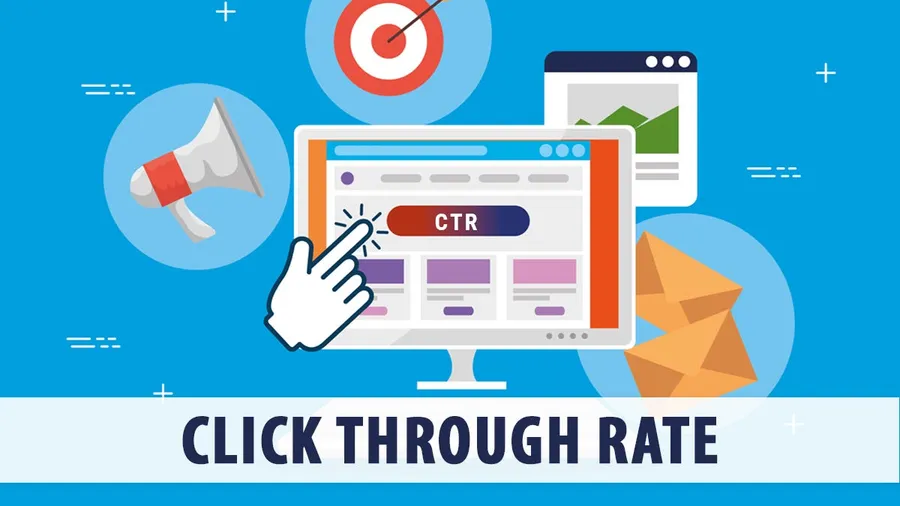
Facebook is a visual environment. Strong visuals dramatically improve click-through rates and engagement.
Even informational content benefits from visual presentation.
Visual content tips:
- Use original images or branded templates
- Create short explainer videos
- Add subtle text overlays for clarity
- Keep visuals consistent with your brand
Visual content attracts attention long enough to earn the click.
8. Repurpose Facebook Content Across Channels
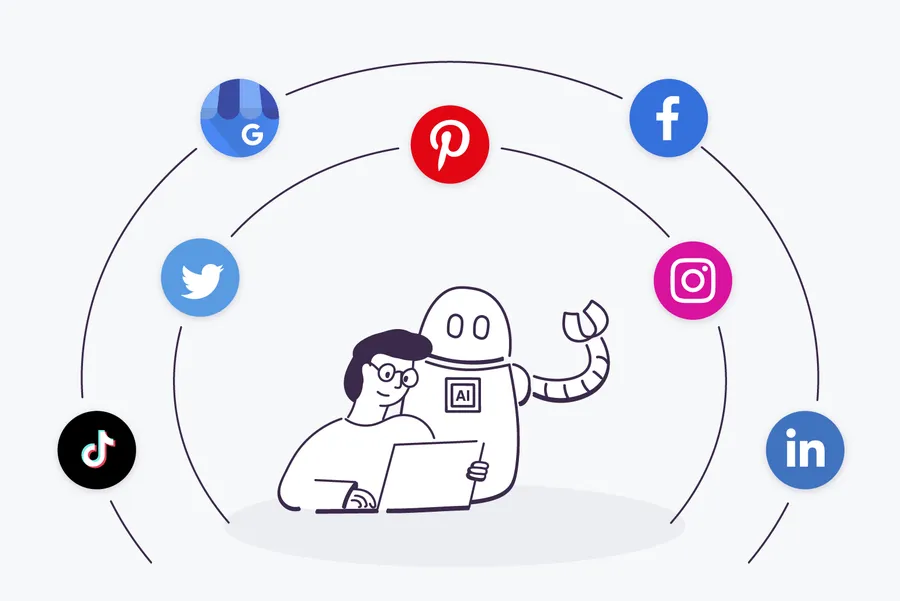
Free traffic grows faster when your content ecosystem works together. Facebook should support—not isolate—your broader content strategy.
Repurposing extends reach while saving time.
For example, Facebook discussions and insights can be reused in email campaigns to re-engage your audience. If creating newsletters consistently feels time-consuming, these tools for free AI newsletter generation can help streamline the process and maintain regular communication.
Cross-promotion ideas:
- Share Facebook discussions in email newsletters
- Embed high-performing posts on your blog
- Republish insights across platforms
- Drive email subscribers back to Facebook posts
This creates a self-reinforcing traffic loop.
9. Track Facebook Traffic That Converts
Not all traffic is equal. Tracking helps you focus on strategies that generate meaningful engagement and conversions.
Data-driven refinement is what separates sustainable growth from random spikes.
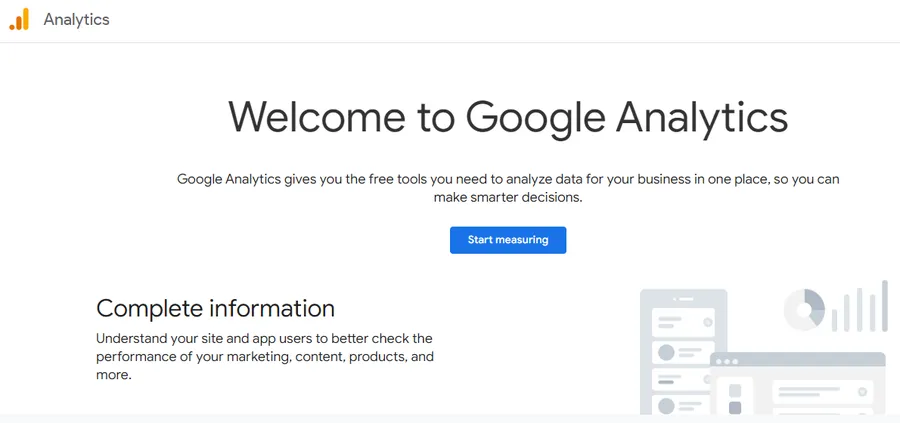
While Facebook Insights shows how users interact with your posts, deeper analysis requires understanding what happens after they land on your website. Using reliable tools—such as the plugins highlighted in this guide to the best Google Analytics plugins for WordPress—makes it easier to connect social traffic with on-site behavior.
Tracking essentials:
- Monitor link clicks in Facebook Insights
- Analyze behavior in Google Analytics
- Identify posts with high engagement-to-click ratios
- Update and reshare top-performing content
Continuous improvement multiplies results over time.
10. Turn Your Audience into Traffic Amplifiers
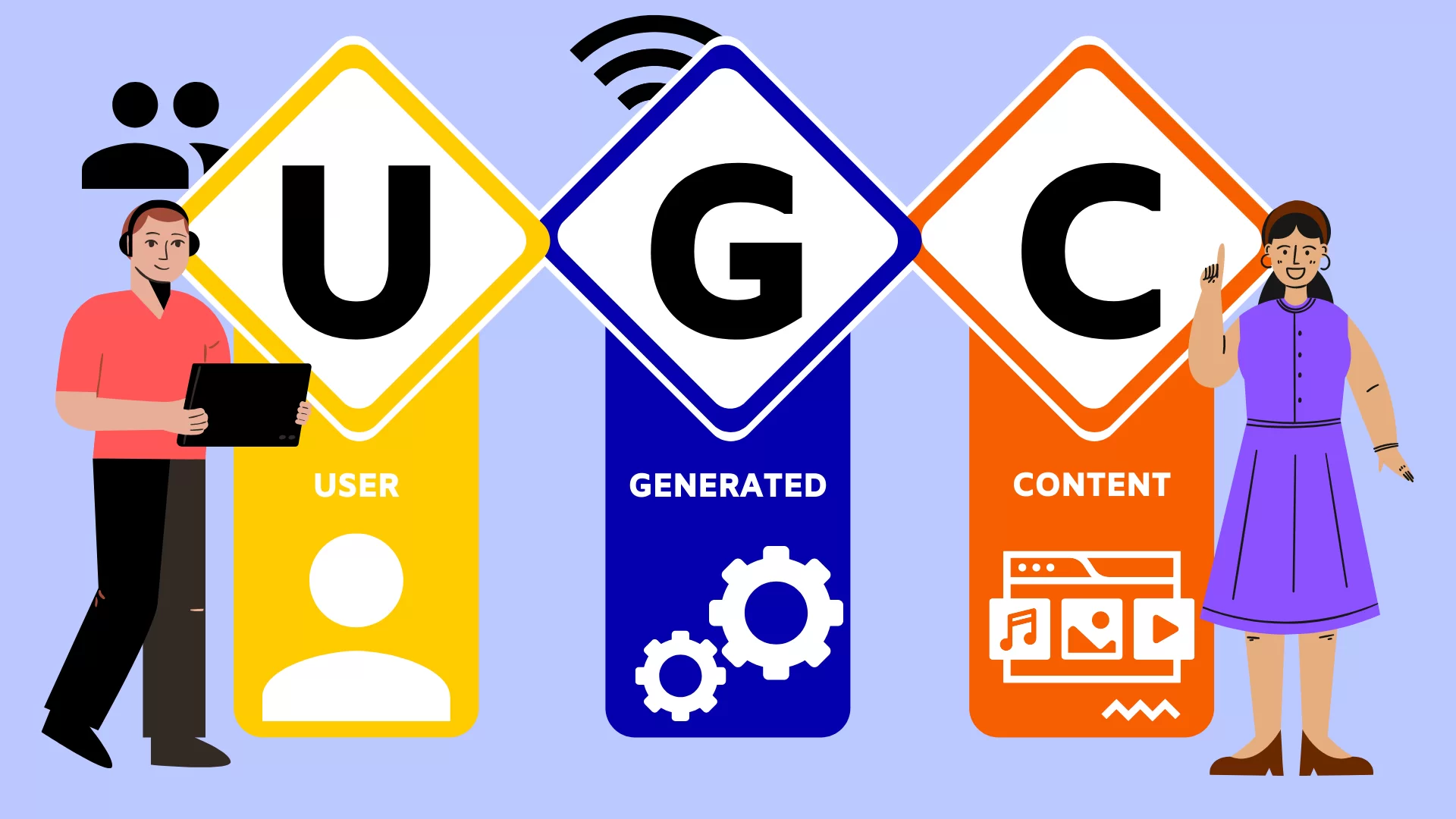
User-generated content expands reach beyond your direct audience. When followers share your brand, trust increases and new traffic flows naturally.
User-generated content (UGC) also strengthens community loyalty.
Ways to encourage amplification:
- Feature testimonials and success stories
- Create branded hashtags
- Invite followers to share experiences
- Highlight community contributions
Your audience becomes an extension of your marketing engine.
FAQs About Free Facebook Traffic
Can you still get free Facebook traffic?
Yes. Organic reach still exists for content that generates engagement and discussion.
How long does Facebook organic traffic take to work?
Most websites see results within 2–4 weeks of consistent posting and interaction.
Is Facebook better than SEO for traffic?
Facebook delivers faster results, while SEO provides long-term stability. Together, they perform best.
Which websites benefit most from Facebook traffic?
Blogs, course platforms, niche communities, and content-focused websites.
Final Thoughts
Free Facebook traffic is not about tricks or hacks. It’s about consistency, relevance, and understanding how people interact with content.
When used correctly, Facebook becomes a powerful distribution channel that feeds your website with engaged visitors—without spending on ads.
Focus on value first, conversations second, and clicks naturally follow.
Read more: 10 Most Common WordPress Errors and How to Fix Them
Contact US | ThimPress:
Website: https://thimpress.com/
Fanpage: https://www.facebook.com/ThimPress
YouTube: https://www.youtube.com/c/ThimPressDesign
Twitter (X): https://x.com/thimpress_com