Looking for a proven way to generate a reliable income stream online without creating your own products? You are in the right place.
The path to monetizing digital content starts with understanding user intent and delivering value. If you are still weighing your options for making money online, comparing dropshipping vs affiliate marketing is a great starting point to understand which model suits your long-term goals.
For anyone exploring the digital business landscape, affiliate marketing for beginners represents one of the most accessible and scalable business models available today. Instead of managing inventory, handling customer service, or developing software from scratch, individuals can promote existing goods or services and earn a commission for every successful referral.
This comprehensive guide provides everything needed to understand the ecosystem, launch a platform, and build a sustainable online business.
Eduma – Education WordPress Theme
We provide an amazing WordPress theme with fast and responsive designs. Let’s find out!
Understanding the Basics: Affiliate Marketing
At its core, affiliate marketing is a performance-based revenue-sharing method. A third-party publisher (the affiliate) advertises a business’s goods or services to help the business meet its sales goals. In return for generating targeted traffic or sales, the publisher earns a predetermined commission. Businesses utilize this strategy to increase sales, attract more web traffic, improve brand awareness, and connect with highly targeted audiences.
For example, a technology website might partner with an electronics manufacturer. By writing a detailed review of a new smartphone and directing readers to the manufacturer’s website, the tech site earns a percentage of the revenue if a reader makes a purchase. Quality and relevance are the main drivers of success in this industry.

The Four Pillars of Affiliate Marketing
To fully grasp the industry, it is essential to understand the relationship between the four main participants in the ecosystem:
- The Merchant (Creator or Brand): This is the entity selling the product or service. The merchant can be a large enterprise like a major electronics brand or a solo entrepreneur selling online courses.
- The Affiliate (Publisher): This individual or entity promotes the merchant’s products to potential customers. Publishers use various channels, such as websites, social media, or email newsletters, to attract an audience.
- The Network: An affiliate network serves as an intermediary connecting merchants and publishers. Networks handle the administrative side, providing tracking technology, reporting dashboards, and payment processing.
- The Customer: The customer is the final piece of the puzzle. When consumers find a product recommendation helpful, they click the link and make a purchase.
What Are Affiliate Links?
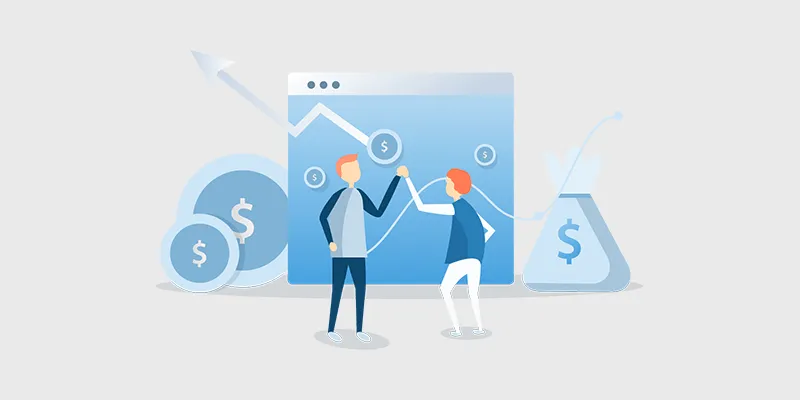
A common question among newcomers is: what are affiliate links, and how do they actually track sales?
An affiliate link is a specific URL that contains the publisher’s unique ID or username. When a customer clicks this link, the merchant’s website drops a small file called a “cookie” onto the customer’s device. This cookie serves two vital purposes:
- It tracks the origin of the click, ensuring the correct publisher is credited for the sale.
- It holds an expiration date. If a customer clicks the link but waits a few days to make the purchase, the publisher still receives the commission, provided the transaction happens before the cookie expires.
How Do Affiliates Make Money?
Unlike traditional salaried roles, earnings in this field are entirely performance-based. Different programs utilize different payout structures depending on their specific marketing goals:
- Pay-Per-Sale (PPS): This is the most common structure. The publisher earns a percentage of the sale price or a flat fee when a referred user completes a purchase.
- Pay-Per-Lead (PPL): The publisher earns a commission when a referred user completes a specific action, such as signing up for a newsletter, filling out a contact form, or registering for a free trial.
- Pay-Per-Click (PPC): The publisher is compensated simply for directing traffic to the merchant’s website, regardless of whether a sale occurs. This is less common but exists in certain specialized networks.
How to Get Started With Affiliate Marketing
If you are wondering how to get started with affiliate marketing, the process requires strategic planning and consistent execution. Follow these foundational steps to build a profitable platform.
1. Select a Profitable Niche
A niche is a specific segment of a larger market. Defining a clear niche makes it easier to build a targeted audience and create content that solves specific problems. When selecting a niche, consider three factors: personal interest, market demand, and profitability.
Brainstorm topics that are currently underserved. For instance, if you are targeting the property market, you could build a dedicated site reviewing the best real estate WordPress themes rather than broadly discussing general websites.
Conduct research using the top search engines to discover what exact information people are actively seeking.
2. Choose the Right Marketing Channel
Once a niche is established, the next step is selecting a platform to publish content. While omnichannel marketing is highly effective, beginners should focus on mastering one primary channel first:
- WordPress Blogs: Building a self-hosted WordPress website is highly recommended. It offers complete control over the content, excellent search engine optimization (SEO) capabilities, and the ability to seamlessly integrate links into long-form articles.
- YouTube: Video content is incredibly engaging. Product reviews, unboxing videos, and tutorials perform exceptionally well on YouTube.
- Social Media: Platforms like Instagram, Facebook, and LinkedIn allow publishers to build engaged communities.
3. Join the Right Networks
Connecting with the right merchants is crucial. Fortunately, there are numerous affiliate programs for beginners that offer easy approval processes, user-friendly dashboards, and a wide variety of products to promote. Networks act as massive marketplaces where publishers can search for products that align with their chosen niche. Review the commission rates, cookie durations, and payment methods of each program before committing.
Affiliate Marketing Tutorial: Creating Content That Converts
Having a platform and products to promote is only the beginning. This brief affiliate marketing tutorial outlines the content creation strategies necessary to drive conversions.
Understand Search Intent:
Content must align directly with what users are searching for online. Create in-depth product reviews, “how-to” guides, and comparison articles (e.g., “Product A vs. Product B”). When users search for these terms, they are usually in the final stages of the buying cycle and are highly likely to make a purchase.
Implement Search Engine Optimization (SEO):
To generate passive income, a platform must attract organic, free traffic from search engines. This requires optimizing content with relevant keywords, building high-quality backlinks, and ensuring the website loads quickly and is mobile-friendly.
If you ever find yourself struggling with content ideas or outlines, you can easily utilize a reliable ChatGPT alternative to streamline your creative writing process.
Build an Email List:
Do not rely solely on search algorithms or social media feeds. Offer a free resource (like an eBook or a checklist) in exchange for visitors’ email addresses. Building and managing this audience is much easier when you use the best email marketing platforms, as they provide a direct line of communication, allowing for the seamless promotion of relevant products over time.
How to Succeed in Affiliate Marketing
Understanding how to succeed in affiliate marketing comes down to trust, transparency, and patience.
- Prioritize Trust Above All: Only promote products that are genuinely valuable and relevant to the target audience. Recommending low-quality products simply for a quick commission will destroy audience trust and damage long-term earning potential.
- Always Disclose Relationships: Transparency is legally and ethically required. Always include a clear disclaimer stating that the content contains referral links and that a commission may be earned at no extra cost to the buyer.
- Analyze and Optimize: Use data analytics tools to monitor which links are getting the most clicks and which campaigns are generating the highest revenue. Since many modern tracking platforms rely on advanced algorithms, understanding the basics of machine learning vs AI can even help you select the most sophisticated software for your business. Double down on the strategies that work and refine the ones that do not.
- Maintain Consistency: Building a profitable online business does not happen overnight. It requires consistent content creation, continuous learning, and adapting to industry changes over several months or even years.
Partner With ThimPress: A Premium Opportunity
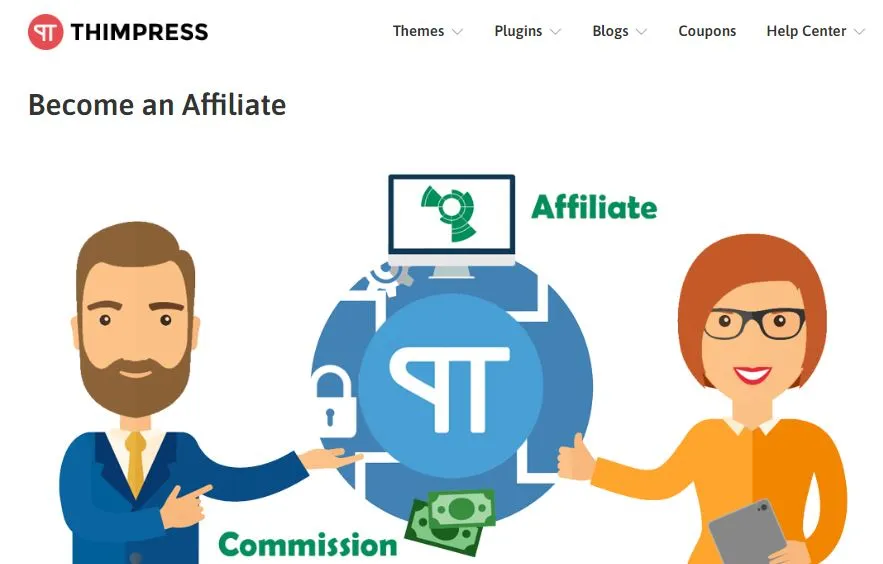
For those in the web development, software, or digital business niche, the ThimPress Affiliate Marketing Program presents an outstanding opportunity to generate passive income. ThimPress is a highly reputable company passionate about developing premium WordPress Themes, high-converting Shopify themes, Magento Themes, and WordPress Plugins to help individuals build their businesses online.
Program Overview and Benefits
ThimPress offers a generous referral system where partners can share their unique links to direct traffic to the ThimPress marketplace. When a referred user creates an account and completes a purchase, the partner earns a percentage of that sale.
- Lifetime Commissions: ThimPress provides lifetime commissions. Once a user is referred, the partner earns a commission on their first purchase, as well as every subsequent purchase they make in the future.
- Attractive Rates: The program features a tiered ranking system. Partners start at the Starter rank with a 15% commission rate, move up to Sparkling Star at 23%, and can reach the Super Star rank to earn a massive 30% commission.
- Self-Referral Bonus: Uniquely, partners are permitted to earn a commission on their own purchases using their own referral links.
- Cookie Duration: The program offers a generous 3-month (90-day) cookie life. If a visitor clicks the link but takes up to three months to make a purchase, the commission is still secured.
Payout Details
Earnings are distributed strictly via PayPal. Payouts can be requested at any time, or they are processed at the end of each month, provided the minimum threshold of $50 has been met. Ensure accurate PayPal details are entered into the Bank Transfer field within the user profile.
Key Do’s and Don’ts
To maintain a high standard of fair play, ThimPress has established clear policies:
- Do: Create SEO-friendly blog posts, use targeted banner ads, promote limited-time discounts, and design unique pages that clearly communicate the affiliate relationship.
- Don’t: Do not copy the ThimPress website design or use logos outside of the prescribed banners. Do not purchase domain names or pay-per-click ads utilizing ThimPress trademarks. Sending unsolicited spam emails or engaging in deceptive practices is strictly prohibited.
Check out the full terms and start earning today: Become an Affiliate
Conclusion
Embarking on the journey of affiliate marketing for beginners opens up a world of possibilities for generating passive income on your blog and building a sustainable online business.
By understanding the core ecosystem, selecting a profitable niche, and creating high-quality content that genuinely helps consumers, anyone can thrive in this industry. Remember that success requires patience, consistent effort, and a commitment to building trust with the audience.
Take the insights from this guide, explore various networks, and start building a platform today. The digital landscape is full of opportunities waiting to be explored.
Frequently Asked Questions (FAQs): Affiliate Marketing for Beginners
1. Is it too late to start affiliate marketing for beginners today?
Absolutely not. While the industry is competitive, there is always room for high-quality, authentic content. By focusing on a specific micro-niche and building genuine trust with an audience, beginners can still carve out a highly profitable business.
2. How much money does it cost to get started?
The barrier to entry is incredibly low. Many social media platforms are free to use. If building a website, the only initial costs are purchasing a domain name and reliable web hosting, which generally cost a few dollars per month. Joining networks is almost always completely free.
3. Do I need to be an expert in my niche?
Being an absolute expert is not mandatory, but having a strong interest and willingness to learn is crucial. Audiences often appreciate content from someone who is learning alongside them and sharing their honest journey and product discoveries.
4. How long does it take to see consistent results?
It varies widely based on the chosen strategy, niche, and level of consistency. Generally, if utilizing search engine optimization (SEO) on a blog, it can take between 6 to 12 months to start seeing consistent, passive traffic and revenue.
5. Are there limits to how many programs I can join?
There are no limits. Publishers are encouraged to join multiple networks and partner with various merchants to diversify their income streams. However, it is recommended to only promote products that naturally fit the established niche and audience needs.
Read more: Explore Top 2026 Design Trends Graphic To Stand Out
Contact US | ThimPress:
Website: https://thimpress.com/
Fanpage: https://www.facebook.com/ThimPress
YouTube: https://www.youtube.com/c/ThimPressDesign
Twitter (X): https://x.com/thimpress_com