Starting a digital business or testing a new product idea does not require a massive upfront budget. If the goal is to sell products online, eliminating initial listing fees and subscription costs allows sellers to test the market, validate concepts, and build capital with zero financial risk. Understanding how to sell items online for free is the foundational step for side hustlers, independent creators, and entrepreneurs looking to establish a sustainable ecommerce business model.
This comprehensive guide examines 13 of the best free online sites to sell items. It provides a detailed breakdown of platform fees, target audiences, and ideal product categories. Sellers will also learn the strategic difference between platforms that allow users to sell online for free completely versus those that charge backend transaction fees, and how to eventually scale an operation using a dedicated website.
Eduma – Education WordPress Theme
We provide an amazing WordPress theme with fast and responsive designs. Let’s find out!
Summary: Top Websites to Sell Items Online for Free
Before exploring each option in depth, use this summary table to quickly compare the most effective free places to sell items online based on their core features and fee structures.
| Platform | Best Category / Niche | Upfront Listing Fee | Backend Commission / Transaction Fee | Primary Fulfillment Method |
| Facebook Marketplace | Local goods, furniture, electronics | $0 | $0 (for local cash exchanges) | Local Meetup / Delivery |
| Oodle | Syndicated general classifieds | $0 | $0 | Local Meetup |
| eCRATER | Building a free branded storefront | $0 | $0 (unless opting into ad programs) | Shipping |
| eBay | Collectibles, electronics, vintage | $0 (up to 250 items) | ~13.25% + $0.30 per sale | Shipping |
| Mercari | Shipping diverse secondhand goods | $0 | 10% + 2.9% + $0.50 | Shipping |
| Poshmark | Fashion, boutique apparel, shoes | $0 | 20% (for sales over $15) | Shipping (Prepaid Label) |
| Depop | Vintage clothing, streetwear trends | $0 | 10% + payment processing fees | Shipping |
| Etsy | Handmade, vintage, digital files | $0.20 (Minimal cost) | 6.5% + 3% + $0.25 | Shipping / Digital |
| Vinted | Secondhand apparel, home decor | $0 | $0 (Buyer covers the platform fees) | Shipping |
| Swappa | Functional smartphones, laptops | $0 | $0 (Buyer covers the platform fees) | Shipping |
| ThredUp | Hands-off women’s clothing resale | $0 | Commission percentage taken from payout | Shipping to ThredUp |
| Chairish | High-end furniture, fine art | $0 | Up to 30% commission upon sale | Shipping / Freight |
| Reverb | Musical instruments, studio gear | $0 | 5% + payment processing | Shipping |
Why Sell Online for Free? The Strategic Advantage

Entering the digital marketplace using zero-cost platforms provides undeniable operational benefits. When searching for websites to sell items online for free, merchants eliminate the immediate pressure of overhead costs. Listing products without paying upfront insertion fees or monthly software subscriptions allows for extensive experimentation.
Merchants can gauge consumer demand, test different pricing models, and optimize product photography without watching profit margins vanish. This approach is highly effective for risk mitigation.
However, “free” encompasses two distinct models in the eCommerce sector:
- Completely Free Platforms: These function strictly as digital classifieds. They connect buyers and sellers for local, cash-based transactions and extract absolutely zero fees.
- Free to List Platforms: These platforms charge no initial fee to display the item, but they deduct a percentage (commission) from the final sale price. The platform only earns money when the seller successfully completes a transaction.
Both models are necessary when learning how to sell items online for free, as they serve different logistical needs and target distinct consumer bases.
Category 1: Completely Free Local Platforms
These platforms represent the most traditional form of digital selling. By focusing on geographical proximity, these directories facilitate transactions without taking any percentage of the final sale. They are the absolute best free places to sell items online when handling large, heavy merchandise that is difficult or cost-prohibitive to ship.
1. Facebook Marketplace
With an active user base exceeding one billion people globally, Facebook Marketplace is an indispensable tool for local commerce. It is fully integrated into the standard Facebook application, ensuring immediate and massive visibility.
- Platform Mechanics: Sellers upload high-quality images, draft a detailed description, establish an asking price, and publish. All buyer communications are routed through Facebook Messenger, facilitating instant negotiation.
- Strategic Advantages: The sheer volume of daily active users guarantees rapid exposure. Sellers have the unique ability to review a potential buyer’s public profile, adding a critical layer of safety and trust that is absent from anonymous classified sites. Furthermore, sellers can boost visibility by sharing listings directly into localized community groups.
- Best Practices for Sellers: Because the barrier to entry is nonexistent, merchants must navigate unresponsive inquiries and low offers. To sell products online successfully here, always mandate secure meetup locations, preferably during daylight hours at designated safe trade zones.
2. Oodle
Oodle functions as a sophisticated classified aggregator. It combines traditional marketplace features with social media syndication to maximize listing exposure across multiple digital avenues.
- Platform Mechanics: Sellers create a listing directly on Oodle, which can then be automatically syndicated to partner networks and external social media pages.
- Strategic Advantages: Oodle drastically minimizes administrative redundancy. Instead of manually creating separate listings across various free online sites to sell items, a single Oodle listing achieves broad distribution.
- Best Practices for Sellers: While highly efficient, the native organic traffic strictly within Oodle is lower than giant competitors. Sellers should rely on its syndication power to capture buyers across the broader web.
Category 2: Free to List Marketplaces (National & Global Reach)
When merchants desire to sell products online to a national or international audience, shipping logistics become necessary. The following platforms are excellent websites to sell items online for free in terms of initial setup. They do not charge an upfront listing fee, but they secure revenue by deducting a percentage of the final transaction.
3. eCRATER
eCRATER represents a unique hybrid model in the eCommerce sector. It functions as a global marketplace while simultaneously providing merchants with a standalone, customizable online storefront at zero monthly cost.
- Platform Mechanics: Merchants register and immediately access a store builder. They can upload brand logos, organize inventory into custom categories, and configure specific shipping parameters. Listings populate both the individual store and the central eCRATER marketplace.
- Strategic Advantages: It provides independent branding capabilities without the financial burden of premium web hosting. eCRATER integrates smoothly with Google Merchant Center, allowing products to appear in broader search engine results.
- Best Practices for Sellers: The central marketplace does not possess the inherent organic traffic of larger competitors. Sellers must actively market their storefronts through external content marketing or social media to drive consistent sales.
4. eBay
As one of the original pioneers of digital commerce, eBay remains a dominant, versatile force. It provides unparalleled global reach and robust infrastructure for both casual sellers and enterprise operations.
- Platform Mechanics: Sellers receive an allocation of free insertions (up to 250 listings per month). Merchants select between the traditional auction format (optimal for rare, high-demand items) or the fixed-price format.
- Strategic Advantages: The sheer volume of international traffic is staggering. eBay provides comprehensive seller protections, discounted shipping label generation, and advanced metric tracking. It is the definitive destination for collectibles, refurbished electronics, and automotive parts.
- Best Practices for Sellers: Upon a successful sale, eBay deducts a final value fee (typically around 13.25% plus a fixed $0.30 per order, varying by category). The marketplace is highly competitive; therefore, merchants must utilize precise titles to rank prominently in search results.
5. Mercari
Mercari simplifies the electronic commerce experience, offering an intuitive mobile application designed to make the process of listing and shipping incredibly frictionless.
- Platform Mechanics: Sellers capture photographs directly within the app, add a brief description, and set a price. Mercari provides heavily discounted, prepaid shipping labels that are easily printed and attached to the parcel.
- Strategic Advantages: The platform is exceptionally user-friendly and encourages quick sales of clothing, home goods, and toys. Mercari holds funds securely in escrow until the buyer receives and rates the item, significantly minimizing fraudulent chargebacks.
- Best Practices for Sellers: The platform extracts a 10% commission on the sale price, alongside a standard payment processing fee. Buyers on Mercari frequently utilize the built-in “Make Offer” button, meaning sellers should price items slightly above their target baseline to accommodate inevitable negotiation.
Category 3: Niche and Specialty Platforms
General marketplaces are excellent for broad visibility, but niche platforms attract highly qualified, passionate buyers. By focusing on a specific category, these platforms cultivate dedicated communities willing to pay premium prices for the right items.
6. Poshmark
Poshmark seamlessly blends social media mechanics with fashion resale. It is the definitive platform for selling new and secondhand apparel, footwear, and boutique accessories.
- Platform Mechanics: Sellers curate digital “closets.” Success relies heavily on active social interaction: sharing listings, participating in virtual events, and engaging with followers. Poshmark simplifies logistics by providing a flat-rate USPS Priority Mail label for all orders under five pounds.
- Strategic Advantages: The fixed shipping structure eliminates complex weight and dimensional calculations. The highly engaged user base actively searches for specific designer brands. Sellers can efficiently bundle multiple items for a single buyer, moving inventory rapidly.
- Best Practices for Sellers: Poshmark retains a flat $2.95 fee for sales under $15, and a substantial 20% commission on sales exceeding $15. Merchants must be prepared to actively engage with the application daily to maintain algorithmic visibility.
7. Depop
Targeting a distinct, younger demographic, Depop is the premier destination for Generation Z consumers seeking vintage apparel, streetwear, Y2K fashion, and upcycled garments.
- Platform Mechanics: The application’s interface mimics the visual layout of popular photo-sharing apps. Listings rely heavily on aesthetic, editorial-style photography rather than standard, clinical flat-lays.
- Strategic Advantages: Sellers possessing a strong sense of style and personal branding thrive exponentially here. Building a dedicated follower base translates directly into consistent, predictable revenue. It serves as an excellent incubator for independent streetwear designers.
- Best Practices for Sellers: Depop charges a 10% fee on the final transaction, plus standard payment processing. Success requires significant effort in modeling clothing, styling aesthetic shots, and curating a visually cohesive grid.
8. Etsy
While technically charging a nominal $0.20 listing fee, Etsy’s incredibly low barrier to entry secures its position as a crucial platform for independent creators. It is the global hub for handmade goods, vintage items (strictly defined as 20 years or older), and digital downloads.
- Platform Mechanics: Sellers construct comprehensive, branded storefronts. Listings remain active for four months. The platform provides internal advertising options and highly detailed traffic analytics.
- Strategic Advantages: Buyers navigate to Etsy specifically seeking unique, artisanal, or personalized items and exhibit a willingness to pay premium prices for authentic craftsmanship. Furthermore, it is one of the premier platforms to sell digital products (like planners, art prints, or educational templates), allowing for passive income streams requiring no physical fulfillment.
- Best Practices for Sellers: The marketplace is densely saturated. Merchants must master search optimization, utilizing descriptive tags to penetrate search rankings. The cumulative fees (listing, transaction, and payment processing) demand careful margin calculations.
9. Vinted
Originating in Europe and expanding globally, Vinted disrupted the traditional marketplace model by completely removing backend seller fees.
- Platform Mechanics: Merchants list clothing, accessories, and small home goods entirely for free. When an item successfully sells, the merchant retains 100% of the listed price. The platform generates revenue by charging the buyer a protection fee and shipping costs at the checkout stage.
- Strategic Advantages: It stands as one of the most profitable methods to clear out personal wardrobes. Because sellers do not surrender a percentage of the sale, they can afford to price items highly competitively, driving faster inventory turnover.
- Best Practices for Sellers: The consumer base is highly price-sensitive, often expecting deep discounts. It functions optimally as a volume-based clearance platform rather than a high-margin boutique business model.
10. Swappa
Swappa is a meticulously regulated, highly trusted marketplace exclusively dedicated to functional consumer electronics, ensuring a premium experience for tech enthusiasts.
- Platform Mechanics: Sellers must submit verification photographs (including a customized, handwritten code next to the device) and input the device’s exact IMEI or serial number. The platform automatically cross-references this data against global databases to ensure the device is not reported stolen or under an active financial contract.
- Strategic Advantages: Because Swappa strictly forbids the sale of broken or blacklisted items, buyer confidence is exceptionally high. This trust consistently translates to higher final sale prices for sellers compared to generalized, unmoderated marketplaces. Additionally, Swappa charges its service fee directly to the buyer.
- Best Practices for Sellers: Merchants must physically test and grade their equipment with absolute accuracy. Sellers are responsible for packaging and shipping the items securely, and all payments are routed through secure gateways to ensure comprehensive protection.
11. ThredUp
For merchants seeking the ultimate hands-off, automated experience in the fashion sector, ThredUp operates as a massive online consignment facility.
- Platform Mechanics: Sellers request a designated kit, fill the provided bag with high-quality women’s or children’s apparel, and hand it to the postal service. ThredUp’s facility processes the inventory, authenticates the brands, photographs the garments professionally, dictates the prices, and handles the final shipment to the end consumer.
- Strategic Advantages: It requires absolute zero administrative labor. There are no listings to draft, no customer inquiries to manage, and no individual packages to weigh and ship.
- Best Practices for Sellers: Extreme convenience comes at a premium cost. ThredUp only accepts specific, high-demand brands in flawless condition; unaccepted items are either recycled or returned for a nominal fee. The payout percentage is tiered and frequently represents a very small fraction of the retail value.
12. Chairish
Catering exclusively to interior designers, architects, and affluent homeowners, Chairish is a premier destination for high-end furniture, fine art, and vintage architectural decor.
- Platform Mechanics: Listings are not instantly published to the public. They must be rigorously reviewed and approved by an internal curation team to ensure they meet the platform’s strict aesthetic and quality standards.
- Strategic Advantages: The platform attracts a highly wealthy demographic. Premium items that might linger unsold on local classifieds can rapidly fetch their true, highest market value on Chairish. The company also provides essential assistance in coordinating complex freight shipping for large furniture pieces.
- Best Practices for Sellers: The curation process is demanding, requiring professional-grade, well-lit photography with clean backgrounds. The commission rates are substantial, potentially climbing up to 30% depending on the seller’s specific subscription tier and the item’s final valuation.
13. Reverb
Reverb revolutionized the specialized process of buying and selling musical instruments and audio equipment, cultivating a dedicated, highly knowledgeable ecosystem for musicians.
- Platform Mechanics: Users can list diverse inventory, ranging from vintage analog synthesizers and custom boutique guitars to basic XLR cables and drum hardware. The platform provides detailed, historical pricing guides to assist sellers in establishing accurate market valuations.
- Strategic Advantages: The audience is incredibly passionate and technically informed. Reverb provides access to discounted shipping labels featuring specific logistical protections designed exclusively for fragile, high-value musical instruments.
- Best Practices for Sellers: The platform charges a 5% selling fee (capped at $500 per individual item) alongside standard payment processing fees. Transparent, highly accurate descriptions of the instrument’s functional condition, including high-resolution images of any cosmetic blemishes, are strictly enforced to prevent post-sale disputes.
Critical Strategies: How to Succeed When Selling Online

Regardless of which platforms you choose to sell online for free, success is rarely accidental. To outpace competitors on free online sites to sell items, merchants must meticulously optimize three distinct phases of the listing process.
1. High-Fidelity Product Photography
The camera serves as the digital buyer’s eyes. Utilize natural, diffused daylight whenever possible, avoiding harsh artificial shadows that distort color. Ensure the primary photograph displays the entire item against a clean, neutral background. Always include supplementary images detailing brand tags, hardware, and, crucially, any flaws or damage to expertly manage buyer expectations and prevent costly returns.
2. Algorithmic Copywriting
Search engines within digital marketplaces operate on strict keyword matching.
When drafting titles, avoid overly creative or vague phrasing. Instead, implement a structured, data-driven format: Brand + Model/Style + Size + Color + Condition. The item description should proactively answer all potential buyer questions, detailing exact physical measurements, material composition, and history of use. Utilizing strong SEO power words in your descriptions can also significantly increase click-through rates.
3. Strategic Pricing and Responsiveness
Market research is mandatory. Search for the exact item and filter by “Sold Listings” or “Completed Sales” to ascertain current, realistic market value. Price items slightly above your absolute lowest acceptable profit margin to allow room for inevitable buyer negotiation.
Furthermore, on platforms where negotiation is permitted, speed is paramount. Buyers frequently message multiple sellers simultaneously; the merchant who responds first with professional, courteous information generally secures the revenue.
Building Independence with WordPress to sell products online
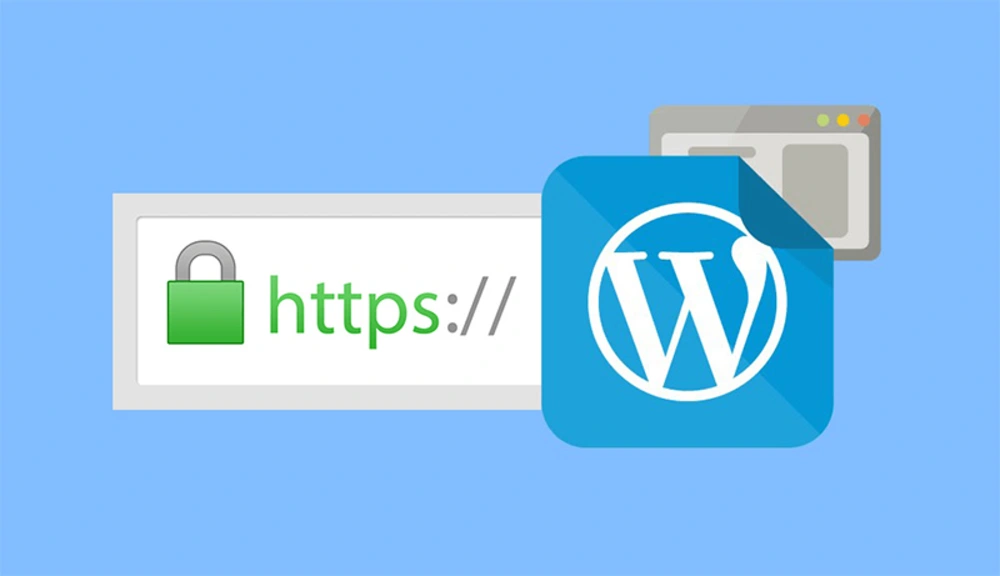
Instead of relying on restrictive marketplace algorithms, successful merchants eventually build their own storefronts. WordPress is the premier content management system for this transition. By utilizing professional ecommerce website templates, merchants can construct visually stunning, highly functional digital storefronts without needing advanced coding knowledge.
Furthermore, integrating powerful plugins transforms a standard website into a robust sales engine. When you learn how to set up WooCommerce on a WordPress site, you gain absolute control over your pricing, checkout experience, and customer data.
FAQs: Free Sites to Sell Products Online
1. Is it truly possible to sell products online without paying any fees?
Yes, it is entirely possible. Platforms focusing on local, in-person cash transactions—such as Craigslist, Facebook Marketplace, and Nextdoor—do not charge any insertion fees, transaction fees, or backend commissions. The seller retains 100% of the final negotiated price.
2. Which platform is considered the absolute best for selling clothing?
The ideal platform depends heavily on the specific type of apparel. Poshmark is excellent for general boutique brands and contemporary fashion. Depop is the premier choice for vintage wear and streetwear targeting younger demographics. ThredUp is optimal for sellers who prefer to outsource the entire listing, photography, and fulfillment process.
3. Are my financial details secure when selling on free platforms?
When utilizing platforms that facilitate shipping (like eBay, Mercari, or Poshmark), financial details are processed securely through encrypted payment gateways. Sellers never handle the buyer’s credit card information directly. However, on local meetup platforms, physical cash remains the safest medium, as peer-to-peer digital payment apps can sometimes be subject to fraudulent chargeback scams.
4. How do I protect myself from scams on websites to sell items online for free?
Always communicate exclusively through the platform’s official internal messaging system; avoid migrating conversations to private SMS or external email addresses. For shipped items, only dispatch goods after the platform confirms the payment has fully cleared, and always utilize trackable shipping methods. For local sales, conduct exchanges in well-lit, public areas during daylight hours.
5. When should I stop using free marketplaces and build my own website?
Merchants should consider transitioning when their cumulative monthly commission fees paid to third-party marketplaces exceed the standard cost of hosting their own website, or when their primary business objective shifts from simply liquidating random inventory to building a cohesive, recognizable brand with a loyal, repeat customer base.
Conclusion
Mastering how to sell products online with zero upfront costs is a strategic move for any emerging entrepreneur. By taking full advantage of these free online sites to sell items, sellers can swiftly test product viability, validate business ideas, and secure initial capital without absorbing financial risk. Whether liquidating household goods on completely free localized platforms or reaching a national audience through commission-based marketplaces, testing the waters is crucial.
However, as a business scales, the goal should always shift toward operational independence. Evolving from utilizing websites to sell items online for free to managing a privately owned eCommerce platform is the definitive way to protect profit margins, build brand equity, and truly own the customer relationship. Start small with free tools, refine your digital selling skills, and strategically build toward a long-term, scalable operation.
Read more: The 15 Best Events Manager WordPress Plugins
Contact US | ThimPress:
Website: https://thimpress.com/
Fanpage: https://www.facebook.com/ThimPress
YouTube: https://www.youtube.com/c/ThimPressDesign
Twitter (X): https://x.com/thimpress_com