Scaling organic search traffic demands rapid, consistent publication. Staring at a blank document while deadlines loom creates severe operational bottlenecks for marketing teams. Implementing an AI blog post generator directly eliminates this friction. By utilizing advanced machine learning, professionals can structure outlines, embed target keywords, and produce complete drafts in minutes.
Selecting the best AI blog post generator is a critical strategic decision that impacts search engine visibility, operational overhead, and overall digital growth.
This guide evaluates the top AI blog post generators available, categorized by technical capabilities, ease of use, and overall performance.
Eduma – Education WordPress Theme
We provide an amazing WordPress theme with fast and responsive designs. Let’s find out!
Content Summary: 7 Best AI Blog Post Generators
| AI Blog Post Generators | Primary Use Case | Key Technical Features | Pricing Structure |
| Gemini | Live data research and long-form writing | Google Workspace integration, live SERP access, custom automated agents. | Freemium (Pro starts at $19.99/month) |
| Jasper | Branded marketing and enterprise content | Pre-built formatting templates, strict brand voice control, browser extensions. | Paid only (Starts at $59/month) |
| Breeze | CRM integration and multi-channel marketing | Native database integration, direct publishing, multi-format content remixing. | Freemium (Pro starts at $450/month) |
| 1minAI | Cost-effective, multi-model analysis | Access to multiple LLMs (Claude, GPT), unified workspace, credit-based usage. | Freemium (Paid starts at $6.50/month) |
| Rytr | Rapid short-form copy and metadata | Extensive tone-of-voice controls, inline rich text editor, fast generation. | Freemium (Paid starts at $7.50/month) |
| ChatGPT | Technical workflows and data parsing | Advanced context memory, logical reasoning, data file processing capabilities. | Freemium (Plus starts at $20/month) |
| Claude | Code structuring and analytical writing | Dedicated editing workspace, massive context window, precise instruction following. | Freemium (Pro starts at $17/month) |
Core Mechanics of Automated Generation
An AI writing generator operates by utilizing large language models (LLMs) trained on massive datasets. These systems recognize complex patterns in syntax, user intent, and factual context. When provided with a prompt—such as a topic, target audience, and keyword list—the software predicts the most logical sequence of text to follow.
Modern platforms go beyond basic predictive text. They adapt to specific brand voices, rephrase existing paragraphs, and structure HTML formatting for seamless integration into content management systems like WordPress. Integrating these systems provides measurable operational benefits:
- Accelerated Drafting: Generate grammatically correct outlines and initial drafts instantaneously.
- Cost Reduction: Decrease reliance on external agencies for standard, top-of-funnel content.
- SEO Alignment: Embed primary and secondary search terms systematically to appease ranking algorithms.
- Format Flexibility: Transform core articles into social media updates, ad copy, or email sequences.
Top AI Blog Post Generator for SEO and Blogging
Certain platforms are engineered specifically to drive organic growth and generate high-quality blog posts using AI tools. The following applications provide the necessary features to produce structured, highly optimized long-form content.
1. Gemini
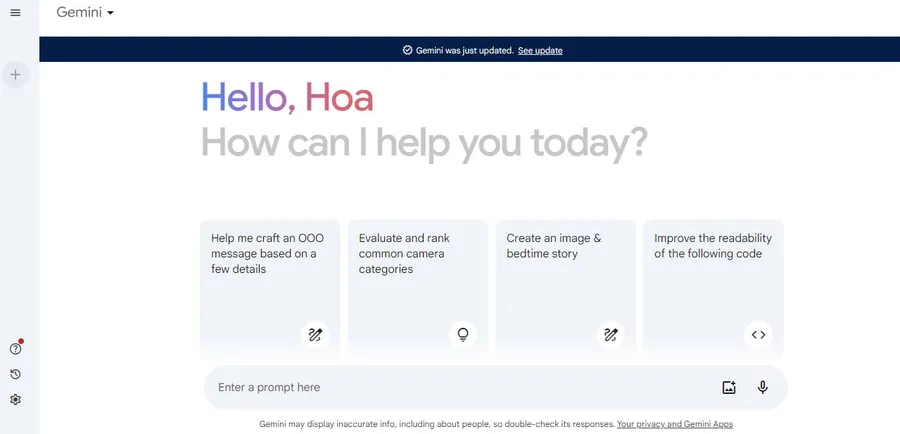
Developed by Google, Gemini operates natively within the Google Workspace ecosystem. Its defining advantage is real-time web access combined with a built-in citation system. This minimizes the presentation of false information and streamlines the fact-checking process for technical writers.
A critical feature is the “Gems” functionality. Users can configure a custom AI agent with specific tone guidelines and formatting rules. Once configured, the Gem executes these parameters consistently without requiring repetitive prompting. Edits can be made in real-time via a sidebar in Google Docs, allowing text to be inserted directly into the active document.
| Pros | Cons |
| Live SERP Integration: Extracts real-time data directly from search engines, virtually eliminating factual hallucinations and providing instant citation backing. | No Native SEO Scoring: Lacks built-in keyword density tracking or content scoring tools, requiring third-party software for final optimization. |
| Google Workspace Synergy: Operates flawlessly inside Google Docs and Sheets, allowing for immediate text insertion and structural editing without switching tabs. | Prompt Sensitivity: Requires highly advanced, precise prompt engineering to execute complex HTML formatting or highly technical technical structures. |
| Custom Automated Agents (Gems): Allows for the creation of dedicated guidelines that sustain strict corporate brand consistency across multiple marketing campaigns. | Rigid Interface: The chat interface can feel overly structured, making fluid, creative brainstorming slightly more tedious compared to conversational models. |
2. Jasper

Jasper stands out as an elite platform designed specifically for high-volume enterprise teams. The platform minimizes friction by utilizing an extensive library of pre-configured templates that handle everything from basic outlines to complex marketing frameworks.
A major strength is its brand voice management capability. This ensures output remains perfectly aligned with corporate messaging when publishing AI generated blog posts, such as maintaining a consistent tone across an educational WordPress theme or LMS integration update. Furthermore, Jasper includes a powerful browser extension.
| Pros | Cons |
| Elite Voice Replication: Analyzes previous corporate publications to replicate exact brand tones, ensuring seamless continuity across all digital assets. | Prohibitive Pricing Model: Requires a high initial financial investment with no permanent free tier available for independent users or small-scale testing. |
| Comprehensive Template Library: Pre-built marketing frameworks eliminate the friction of starting from scratch, drastically accelerating the initial drafting phase. | Hidden Add-on Costs: Essential editorial features, such as deep plagiarism detection, require additional subscription fees on top of the base price. |
| Cross-Platform Extension: A robust browser extension allows professionals to run grammar checks, adjust tones, or expand text directly within backend CMS dashboards. | Steep Learning Curve: Maximizing the return on investment requires significant time dedicated to learning the nuances of the extensive template library. |
3. Breeze

Breeze is HubSpot’s proprietary artificial intelligence solution, built to interact seamlessly with CRM data. Rather than relying on open-ended conversational prompts, Breeze utilizes a structured, step-by-step generation methodology.
Additionally, the “Content Remix” function is exceptional for extending the lifespan of digital assets. Users can generate high-quality blog posts using AI tools, then convert those AI generated blog posts into segmented email campaigns or social media threads instantly to maximize reach.
| Pros | Cons |
| Deep CRM Integration: Pulls direct data from internal databases to produce highly personalized, automated outbound marketing and email sequences. | Ecosystem Lock-in: Highly cost-prohibitive and functionally limited for marketing operations functioning entirely outside the HubSpot software environment. |
| Step-By-Step Generation: Forces a structured drafting methodology that drastically reduces logical errors and structural flaws in the initial output. | Credit Limitations: Strict credit limits throttle high-volume production, requiring careful allocation of resources during major campaign launches. |
| Automated Repurposing: Instantly converts core long-form articles into multiple distinct digital formats (emails, social threads) to maximize overall reach. | Inflexible Troubleshooting: Less adaptable for ad-hoc technical troubleshooting or custom code generation compared to pure conversational models. |
Affordable and Beginner-Friendly Alternatives
For operations requiring specific utility without premium overhead, several AI Blog Post Generators deliver exceptional, cost-effective results.
4. 1minAI

For professionals seeking versatility without strict monthly commitments, 1minAI offers a unique solution. The platform operates on a flexible credit system and provides access to multiple leading LLMs, including Claude, GPT, and Gemini, from a single dashboard.
This multi-model approach allows for strategic resource allocation. Users can expend fewer credits on basic models for simple tasks, reserving premium models for complex comparative analyses, such as testing software capabilities against established tools.
| Pros | Cons |
| Multi-Model Access: Provides consolidated access to the industry’s top-tier language models, allowing for highly flexible, task-specific utilization. | Rapid Resource Depletion: Executing advanced tasks, particularly those involving heavy code or multimedia generation, depletes credit reserves instantly. |
| Scalable Pricing: A highly adaptable credit-based pricing model controls costs effectively for professionals with fluctuating monthly publication volumes. | Outdated Knowledge Cutoffs: Older integrated models within the platform possess severe knowledge cutoffs, requiring manual fact-checking. |
| Unified Workspace: The “Magic Notebook” consolidates generated text, media assets, and raw code snippets into a single, highly efficient editing pop-up. | Cluttered User Interface: The sheer volume of tools and model options can create a cluttered dashboard during complex multitasking sessions. |
5. Rytr
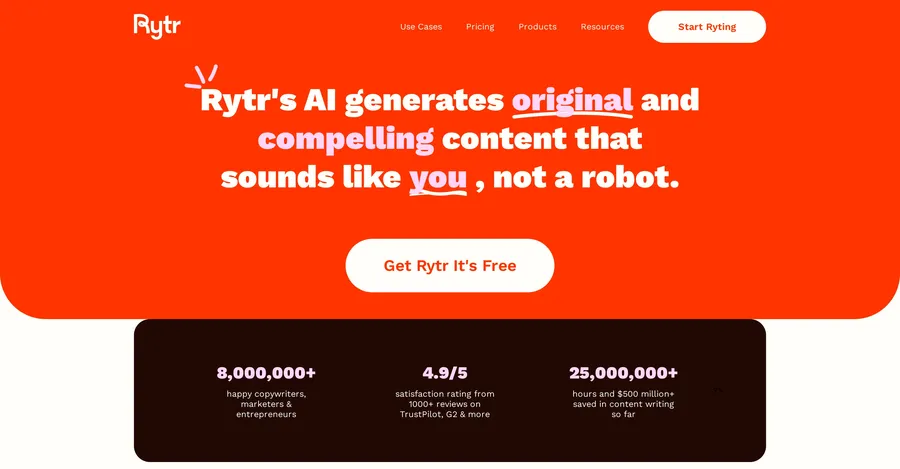
Rytr is optimized for speed, metadata creation, and short-form precision. It features a robust rich text editor equipped with inline commands, allowing users to manipulate text lengths, check for plagiarism, and alter phrasing without leaving the primary document.
The platform provides extensive tone-of-voice controls. It excels at generating optimized descriptions for niche video content, targeted email subject lines, and initial article frameworks.
| Pros | Cons |
| Rapid Metadata Generation: Exceptionally fast at producing high-converting titles, optimized meta descriptions, and structured digital ad copy. | Severe Free Tier Limits: Free tier limitations restrict sustained professional usage, effectively forcing an immediate upgrade for daily operational needs. |
| Inline Manipulation Commands: An aggressive rich text editor accelerates the revision process by allowing instant phrasing alterations directly within the document. | Long-Form Inefficiency: Requires significant structural refinement and human intervention when attempting to draft comprehensive, 2000+ word guides. |
| Extensive Tone Controls: Instantly shifts the narrative style from authoritative to conversational based strictly on immediate campaign requirements. | Occasional Unnatural Phrasing: Tone customization algorithms can occasionally produce overly dramatic or slightly robotic phrasing that requires editing. |
General-Purpose Powerhouses
When workflows demand deep data parsing, logical structuring, and complex problem-solving, the following platforms offer unparalleled processing power.
6. ChatGPT (OpenAI)

Many digital marketing professionals consider ChatGPT the most adaptable platform due to its advanced conversational memory and logical reasoning capabilities. It excels at interpreting multi-layered instructions and adapts seamlessly to iterative feedback.
Beyond standard text creation, it functions as a powerful analytical tool. Users can upload raw CSV files containing thousands of unverified contact records, allowing the system to process information, execute analytical commands, and execute automated sorting tasks reliably.
| ChatGPT: Detailed Analysis | |
| Pros | Cons |
| Industry-Leading Memory: Retains advanced context and specific project parameters across multiple isolated sessions, eliminating redundant instructions. | Data Privacy Concerns: Default application settings utilize user input data for continuous model training, raising potential corporate privacy issues. |
| Raw Data Processing: Unparalleled capability to process raw data files, execute complex code snippets, and parse extensive spreadsheet information accurately. | Generic Output Tendencies: Outputs often skew toward recognizable, generic AI phrasing without highly precise, technical prompt engineering. |
| Custom Operational Directives: Custom instructions ensure all generated outputs align strictly with internal operational workflows and formatting requirements. | Slow Live Browsing: Live web browsing functionalities can become significantly delayed or entirely unresponsive during peak server traffic loads. |
7. Claude (Anthropic)
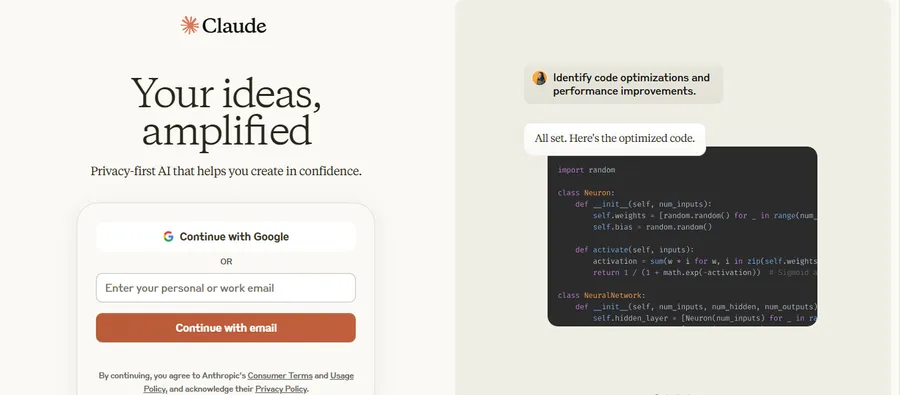
Claude is engineered for precision, massive context handling, and natural narrative flow. It effortlessly processes extensive documentation, making it the ideal choice for rewriting comprehensive technical changelogs or analyzing large datasets.
The platform utilizes “Artifacts,” an isolated workspace that separates the generated content from the conversational chat interface. This provides a distraction-free environment for reviewing clean code and executing inline edits before migrating data.
| Pros | Cons |
| Dedicated Artifacts Interface: Isolates generated HTML code and text from the primary chat, providing a distraction-free environment for precise editing. | Strict Knowledge Cutoffs: Lacks consistent live web access, demanding manual verification for recent industry developments or timely news events. |
| Massive Context Window: Effortlessly parses, summarizes, and restructures exhaustive documentation and massive data repositories seamlessly. | Aggressive Usage Limits: Free tier usage limits impose severe operational restrictions, resetting constantly and halting heavy workflow pipelines. |
| Natural Narrative Flow: Consistently produces the most logical, human-sounding prose available, requiring minimal tonal revision before final publication. | No Image Generation: Lacks native media generation capabilities, requiring professionals to utilize entirely separate software for visual digital assets. |
Strategic Implementation and SEO Impact
To achieve maximum visibility, marketing teams must establish a rigorous editorial pipeline.
Raw machine output rarely satisfies the nuanced requirements of search algorithms without human oversight. AI generated blog posts must undergo technical editing to ensure primary keywords appear within the first 10% of the text and maintain an optimal density of approximately 1%.
Search engines do not inherently penalize automated content. Algorithms prioritize content quality, evaluating it against principles of expertise and authoritativeness.
However, because these platforms operate on predictive patterns and lack genuine industry experience, professionals must manually verify factual claims, inject unique perspectives, and adjust formatting to ensure the final piece provides authoritative value to the reader.
Final Thoughts
The landscape of digital publishing requires absolute efficiency. Integrating a reliable AI Blog Post Generator is no longer an experimental tactic; it is a fundamental requirement for scaling operations.
While every AI writing generator evaluated in this guide offers distinct strengths—from Gemini’s live data retrieval and Jasper’s strict brand voice control to Claude’s highly natural phrasing—no single tool is entirely flawless. These platforms act as powerful drafting assistants rather than autonomous replacements.
To successfully generate high-quality blog posts using AI tools, professionals must combine machine speed with meticulous human editing. By evaluating specific workflow needs and implementing strict editorial oversight, content teams can drastically reduce production times while simultaneously elevating the quality and reach of their digital assets.
Frequently Asked Questions: Top AI Blog Post Generators
1. What makes a language model suitable for SEO purposes?
A suitable platform must integrate search terms naturally without disrupting readability. It should possess the ability to structure text with logical heading tags, generate compelling metadata, and adjust formatting to thoroughly address user search intent.
2. How do these AI blog post generators replicate established brand voices?
Advanced software utilizes dedicated brand voice settings. Users input samples of previously published material, allowing the system to analyze the syntax, vocabulary, and tonal structure. These exact patterns are then applied to all subsequent automated outputs.
3. Are there copyright restrictions on AI generated blog posts?
In many jurisdictions, text generated entirely by software cannot be copyrighted, as protection requires human authorship. However, heavily edited, modified, and human-structured texts may qualify. Always consult local legal guidelines regarding the ownership of digital assets.
4. Can these generators link directly into content management systems?
Yes, leading platforms provide robust API integrations and dedicated browser extensions. This functionality allows professionals to draft, format, and publish text directly within backend dashboards like WordPress, streamlining the entire publication process.
5. What level of manual editing is required before publication?
The required editing depends strictly on the complexity of the subject matter and the precision of the initial prompt. Professionals must allocate time to verify facts, adjust narrative flow, insert internal links, and ensure the content provides unique, authoritative value to the reader.
Read more: How to set up OpenClaw for WordPress?
Contact US | ThimPress:
Website: https://thimpress.com/
Fanpage: https://www.facebook.com/ThimPress
YouTube: https://www.youtube.com/c/ThimPressDesign
Twitter (X): https://x.com/thimpress_com