Building a successful website takes immense effort, from designing the layout to writing high-quality content. You pour hours into crafting the perfect article, hit publish on WordPress, and eagerly wait for the organic traffic to roll in.
However, achieving true visibility involves much more than just hitting the publish button. Without accurate data to measure your performance, those hard-earned optimization efforts remain completely invisible. This introduces a foundational question for your digital marketing success: What is rank tracking?
Simply put, it is the continuous process of monitoring where your website appears on search engine results pages (SERPs) for target keywords over time. Tracking these positions helps you see exactly if your search engine optimization strategy actually works.
Let’s explore how monitoring your search visibility can skyrocket your organic traffic and outsmart your competitors.
Eduma – Education WordPress Theme
We provide an amazing WordPress theme with fast and responsive designs. Let’s find out!
Understanding the Basics: What Is Rank Tracking?
To build a successful digital presence, one must first master the fundamental concepts of search visibility. Simply put, what is rank tracking? It is the systematic practice of monitoring a website’s specific position in search engine results for predefined target keywords over a period of time.
When users type a query into Google or Bing, the search engine returns thousands of results. The position your webpage holds on that list is its rank. Search engines update their algorithms often. Competitors publish new content daily. Because of this, your website’s position changes all the time.
In SEO, it goes beyond just checking a number on a screen. It involves using software to check target keywords across different locations and devices automatically. This practice helps you gather historical data. You can spot visibility trends easily. Most importantly, you can see how ranking changes affect your revenue. Without this process, SEO is just blind guessing.
Why Monitoring Search Positions Matters
Keyword positions deeply affect your website’s success. You might have great content. However, it only brings value if people can actually find it.
Connecting Visibility to Organic Traffic
The relationship between search positions and organic traffic is undeniably strong. The vast majority of user clicks occur on the first page of search results, with the top three positions capturing the largest share of attention.
On the other hand, traffic will drop quickly if high-value keywords fall to page two or three. Tracking these movements gives you an early warning. You can update your content before traffic drops become severe.
Measuring Return on Investment (ROI)
Another vital reason to monitor positions is the ability to measure the true effectiveness of an optimization campaign. Businesses invest heavy resources into technical website improvements, content creation, and link-building outreach. How does a company know if these investments are yielding results?
By observing the ranking data over several months, stakeholders can see exactly how optimization efforts translate into higher SERP positions. Better rankings lead to increased traffic, which subsequently drives more leads, conversions, and sales. Therefore, tracking positions acts as the bridge connecting technical marketing tasks to tangible business revenue.
The Big Question: Do I Need a Rank Tracker?
Many website owners starting their digital journey attempt to monitor their performance manually. They open a browser, type in their target phrase, and scroll through the pages to find their website. This inevitably leads to the question: do i need a rank tracker if manual searching is free?
The definitive answer is yes. Manual searching provides highly inaccurate data. Search engines like Google personalize search results based on browsing history, previous clicks, geographic location, and device type. A webpage might appear in the number one spot on a personal laptop in London but rank on the third page for an unbiased user in New York.
So, do i need a rank tracker for accurate reporting? Absolutely. Professional tracking software strips away personalization factors, utilizing neutral servers to retrieve the true, unbiased ranking position.
Furthermore, as a website grows, it may target hundreds or thousands of keywords. Checking these manually every single day is physically impossible. Automated platforms handle this heavy lifting, freeing up valuable time for actual strategy implementation and content creation.
How the Process Actually Works
To fully grasp what is rank tracking, one must understand the mechanics behind the software. Tracking platforms operate by simulating real user searches across various search engines at regular intervals—usually daily or weekly.
Data Collection and SERP Analysis
These tools deploy automated bots to query target keywords. They scan the resulting SERPs, locate the specific domain, and record its exact position. Beyond the standard organic blue links, modern software also detects the presence of SERP features.
These features include Featured Snippets, Image Packs, Local Maps, and “People Also Ask” boxes. Knowing whether a webpage appears inside a Featured Snippet is just as crucial as knowing its standard organic rank.
Interpreting the Numbers Correctly
Gathering the numbers is only the first step. You must analyze the data correctly to improve your strategy. Pay close attention to your average position across all queries. Watch your estimated search volume to focus on high-traffic terms. Also, look at your click-through rate (CTR). A high rank with a low CTR means you need to rewrite your meta titles immediately.
By analyzing these metrics together, one can paint a complete picture of website health. For instance, if a page holds the number one position but exhibits a terrible CTR, the content might not align with user intent, or the meta description may require an immediate rewrite.
Rank Tracking Tool Comparison
You need good tools to monitor your performance properly. The market offers many solutions, from free Google SEO Tools to expensive premium platforms. Here is a quick comparison of the most popular options.
| Tool Name | Best For | Price Level | Key Feature |
| Google Search Console | Absolute beginners and budget-conscious webmasters. | Free | 100% accurate data directly from Google on past performance. |
| Semrush | Agencies and large marketing teams. | Premium | Deep competitor analysis and daily ranking updates. |
| Ahrefs | Technical SEO experts and link builders. | Premium | Extensive keyword database and precise SERP history tracking. |
Top Tools and Techniques for Tracking Performance
Executing a flawless monitoring strategy requires building a reliable tool stack. The market offers a wide variety of solutions, ranging from free utilities to enterprise-level platforms.
Google Search Console (GSC)
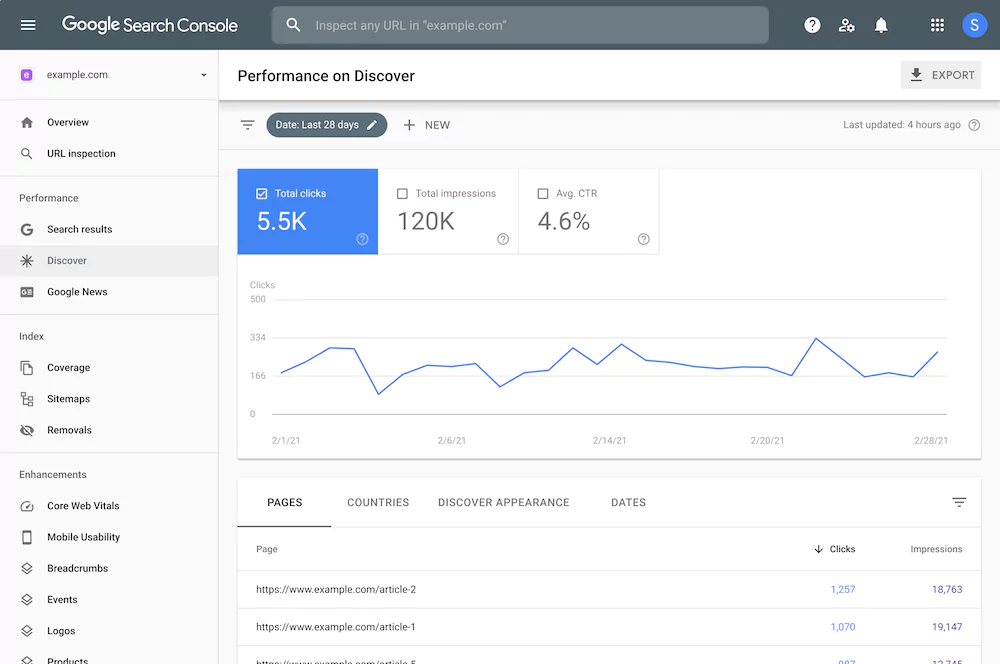
GSC serves as the foundational tool for any webmaster. Provided directly by Google, it offers 100% accurate data regarding the queries driving actual traffic to a website. Users can view the average position, exact impressions, and CTR for thousands of terms. While it does not allow users to input specific keywords to track in the future automatically, exploring historical performance inside GSC is mandatory for success.
Comprehensive SEO Platforms

Industry-leading tools provide incredibly robust tracking functionalities. These platforms, such as Semrush and Ahrefs, allow marketers to upload large lists of target phrases, tag them by category, and monitor competitors side-by-side. They provide daily updates and alert users via email if a critical keyword experiences a drastic drop.
Using a combination of these platforms creates a comprehensive safety net, ensuring no ranking fluctuations go unnoticed.
Best Practices for Setting Up a Tracking Strategy
Knowing what is rank tracking in seo means very little without proper execution. To extract the maximum value from tracking software, marketing teams must adhere to established best practices.
Categorizing Keywords by Search Intent
Never dump hundreds of keywords into a tracking tool without organization. Keywords should always be grouped by search intent.
- Informational: Users looking for answers (e.g., “what is rank tracking”).
- Navigational: Users looking for a specific brand (e.g., “ThimPress“).
- Commercial: Users comparing products (e.g., “best SEO audit tools“).
- Transactional: Users ready to purchase (e.g., “buy rank tracking software”).
Tracking these categories separately helps pinpoint exactly where a marketing funnel might be failing. If informational keywords rank high but transactional keywords rank poorly, the strategy must pivot toward creating more product-focused content.
Focusing on Local Optimization
For businesses with physical storefronts or localized service areas, tracking broad national keywords yields useless data. A bakery in Chicago does not need to rank nationally for “best chocolate cake.” They must configure their tracking software to monitor hyper-local search results and Google Maps positions. Tracking software allows users to specify exactly which city, state, or even zip code to monitor, providing hyper-relevant local visibility scores.
Common Mistakes to Avoid
When learning what is rank tracking, beginners frequently make critical errors. The most common mistake involves obsessing over daily fluctuations. Search algorithms constantly test different results, causing positions to bounce up and down slightly every day. Reacting to a one-position drop by rewriting an entire article will cause more harm than good. Instead, focus on long-term trends spanning weeks or months.
Another mistake is ignoring long-tail keywords. While short keywords possess massive search volumes, they remain highly competitive and often convert poorly. Long-tail phrases drive highly targeted, valuable traffic. Ensuring long-tail variations exist within the tracking dashboard prevents missed opportunities.
Final Thoughts: The Future of Monitoring Search Engine Results
The digital landscape never stops evolving. Adapting to the latest algorithmic shifts and changing user behaviors remains critical for maintaining high visibility.
As search engines integrate artificial intelligence directly into their interfaces, the traditional organic blue links are being pushed further down the page. AI Overviews and dynamically generated answers now satisfy many user queries instantly. Therefore, the definition of what is rank tracking in seo will expand to include monitoring brand mentions within AI-generated responses.
Furthermore, the lines between traditional search engines and social media platforms continue to blur. Users frequently use platforms like TikTok or YouTube as primary search engines. Future tracking methodologies will likely require monitoring visibility across all digital mediums, not just Google and Bing. Staying informed about these technological shifts guarantees that an SEO strategy remains resilient, adaptable, and highly profitable for years to come.
Through careful monitoring, deep data analysis, and a commitment to serving user intent, digital marketers can secure top positions and dominate their respective industries. Business owners asking themselves do i need a rank tracker should recognize that actionable data forms the bedrock of modern digital success.
Frequently Asked Questions
1. What is rank tracking and how does it benefit a website?
It is the automated process of monitoring where a specific webpage appears on search engine results pages for targeted keywords. It benefits a website by providing clear, actionable data on search visibility. This data helps marketers measure the success of their campaigns, identify sudden drops in traffic, and discover new opportunities to outrank competitors.
2. Do I need a rank tracker if I already use Google Analytics?
Yes, you absolutely do. Google Analytics measures what happens after a user arrives on a website, showing user behavior, session duration, and conversion rates. Tracking software measures what happens before the click, showing exactly where the site stands in the search engine. Using both tools together provides a complete view of the entire digital marketing funnel.
3. What is rank tracking in SEO compared to manual searching?
Manual searching involves physically typing a keyword into Google to look for a website. This method is flawed because search engines personalize results based on location, browsing history, and device. Automated tracking uses neutral, unbiased servers to retrieve the true, objective ranking position, ensuring the data remains completely accurate and free from personal bias.
4. How often should keyword positions be monitored?
For highly competitive, high-revenue keywords, daily monitoring is often recommended to quickly spot and fix any technical errors or sudden drops. However, for broader content strategies, reviewing ranking reports weekly or bi-weekly provides a much clearer picture of overall trends. Avoid making drastic content changes based on a single day of minor fluctuations.
5. Why do search positions fluctuate so frequently?
Search engine algorithms evaluate billions of data points daily. Positions fluctuate because search engines constantly test different page placements to see which result provides the best user experience. Additionally, competitors are constantly updating their content, earning new backlinks, and optimizing their sites. Small daily fluctuations are entirely normal and expected in a healthy search ecosystem.
Read more: How to Use Keyword Gap Analysis Tool for SEO
Contact US | ThimPress:
Website: https://thimpress.com/
Fanpage: https://www.facebook.com/ThimPress
YouTube: https://www.youtube.com/c/ThimPressDesign
Twitter (X): https://x.com/thimpress_com