Introduction: How To Have Your Website Show Up On Google
Building a beautiful digital storefront is only the preliminary phase of online success. The primary challenge lies in visibility. When potential customers search for solutions, products, or answers, they rely entirely on search engine results. Understanding how to have your website show up on Google is the definitive strategy for intercepting that high-intent traffic.
Waiting for visitors to accidentally stumble upon a new page is an ineffective strategy. Visibility requires a systematic approach that aligns technical infrastructure, high-value content, and digital authority. For anyone wondering how can I get my website on Google, the answer lies in mastering the specific criteria search algorithms use to evaluate and organize information.
This comprehensive guide details the exact steps necessary to transform an invisible domain name into a highly ranked asset.
Eduma – Education WordPress Theme
We provide an amazing WordPress theme with fast and responsive designs. Let’s find out!
Phase 1: Decoding Search Engine Mechanics
Before attempting to manipulate search rankings, it is mandatory to understand the underlying mechanics of how search engines work. The entire ecosystem operates on three sequential processes: discovery, storage, and evaluation. Mastering these three phases is the first step in learning how to appear on Google search.
1. Crawling: The Discovery Phase
Crawlers, often referred to as spiders or bots, are automated scripts that constantly scan the internet. Their primary function is to discover new domains, newly published pages, and updates to existing content. These bots travel through hyperlinks, moving from one known page to an unknown page. Furthermore, consistently updating older pages ensures these crawlers return frequently, reinforcing the domain’s active status.
- Sitemaps: Providing an XML sitemap is equivalent to handing these bots a direct map of the domain. It lists all critical URLs, ensuring nothing important is overlooked.
- Link Architecture: Bots rely heavily on links. A logical internal linking strategy ensures crawlers can access every corner of the site efficiently.
2. Indexing: The Storage Phase
Discovery alone is insufficient. Once a crawler finds a page, the algorithm must process and comprehend the content on that page. This involves analyzing text, images, video files, and structural layout. If the content is deemed valuable and readable, it is added to the index—a massive global database of web pages.
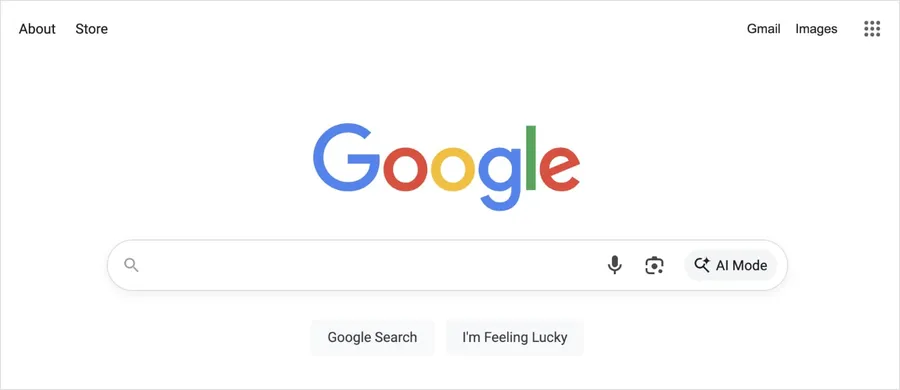
To verify indexation status, simply search site:yourdomain.com. If the pages appear, the site is indexed. If not, technical roadblocks may be preventing bots from accessing the site, which severely hinders any efforts regarding how to get on a Google search.
3. Ranking: The Evaluation Phase
Ranking is the final and most competitive phase. When a user submits a query, algorithms instantly sift through the index to present the most relevant, authoritative, and helpful answers. The sorting order depends on hundreds of specific ranking signals, including:
- Relevance: How accurately the page answers the user’s specific query.
- Authority: The perceived trustworthiness of the domain, usually determined by external references (backlinks).
- Performance: How quickly the page loads and how seamlessly it functions on various devices.
Phase 2: Establishing a Technical Foundation
Technical SEO ensures that a site meets the strict performance criteria set by modern search engines. Without a solid technical foundation, even the most profound content will fail to achieve visibility. Addressing technical flaws is a mandatory prerequisite for anyone researching how to get your website on Google.
Platform and Hosting Selection
The chosen Content Management System (CMS) influences structural SEO potential. Platforms like WordPress are highly recommended due to their flexible architecture and extensive optimization capabilities.
However, the CMS must be paired with high-performance hosting. Server response times directly impact loading speeds. A substandard host will cause frequent downtimes and slow visual rendering, both of which are heavily penalized by search algorithms. Prioritize hosting environments that guarantee maximum uptime, automated security patching, and rapid server response times.
Mandatory HTTPS Implementation
Security is no longer optional. The implementation of HTTPS encrypts data transferred between the user’s browser and the server. Search engines actively flag sites using standard HTTP as “Not Secure,” which instantly diminishes user trust and negatively impacts ranking potential. Installing an SSL certificate is a fundamental requirement.
Mobile-First Optimization
The majority of global internet traffic originates from mobile devices. Consequently, search engines utilize mobile-first indexing. This means the mobile version of a site is considered the primary version for indexing and ranking evaluation.
- Responsive Design: The layout must fluidly adapt to any screen size without requiring users to pinch or zoom.
- Touch Targets: Buttons and navigation links must be adequately spaced for touchscreen interaction.
- Font Legibility: Text must be perfectly readable on smaller screens without manual adjustment.
It is highly recommended to perform quarterly technical audits. This proactive approach identifies broken links or outdated plugins before they negatively impact the mobile user experience.
Speed and Core Web Vitals
User patience is remarkably low. If a page requires more than a few seconds to load, abandonment rates skyrocket. Search algorithms measure this user experience through specific metrics known as Core Web Vitals.
To optimize loading speeds, focus on the following parameters:
- Image Compression: Large media files must be compressed and converted to next-generation formats (like WebP) to reduce bandwidth consumption.
- Code Minification: Strip unnecessary characters, spaces, and comments from HTML, CSS, and JavaScript files.
- Browser Caching: Store static assets locally on the user’s device so returning visitors experience near-instant loading times.
Phase 3: Proactive Indexation Strategies
Relying solely on passive crawling is inefficient. Site owners must actively communicate with search engines to expedite the discovery process. Understanding the tools available for indexation is vital when learning how to make your website show up on Google.
Google Search Console Integration
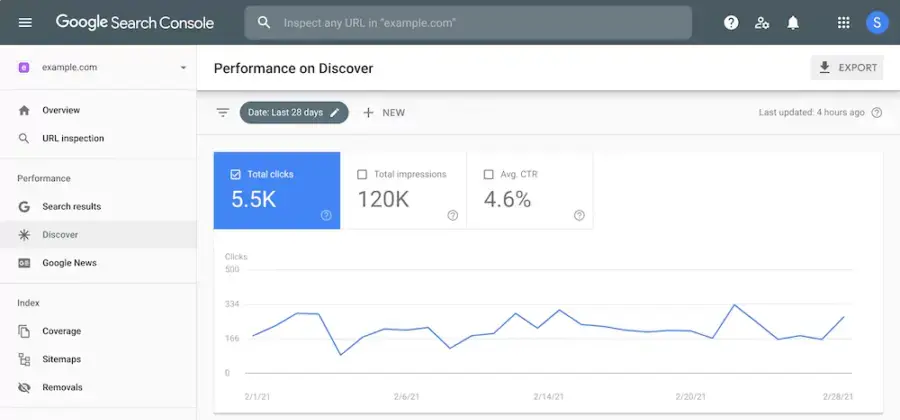
Search Console is a free, mandatory diagnostic tool. It serves as the direct communication channel between a website and the search engine. By verifying domain ownership, webmasters gain access to critical performance data:
- Identifying exact queries driving traffic.
- Monitoring mobile usability errors.
- Tracking total impressions and click-through rates.
Submitting the XML Sitemap
An XML sitemap categorizes all essential URLs and establishes their hierarchy. Most modern CMS platforms generate this file automatically (e.g., [domain.com/sitemap.xml](https://domain.com/sitemap.xml)). Submitting this URL directly through Search Console forces bots to acknowledge the site’s entire structure, drastically reducing the time it takes for new pages to be discovered.
URL Inspection and Troubleshooting
When a new page is published or a significant update is made, the URL Inspection tool allows webmasters to request immediate indexing. Additionally, it highlights specific errors preventing indexation, such as accidental “noindex” tags or server-side blocks.
Phase 4: Content Strategy and Search Intent
The technical framework simply allows a site to compete; the content determines who wins. Creating material that flawlessly satisfies the user’s underlying goal is the core secret of how to get your website to the top of Google.
Deciphering Search Intent
Search intent defines the primary motivation behind a user’s query. If the content format does not align with this motivation, ranking is impossible. Intent falls into four distinct categories:
- Informational: The user seeks knowledge or a tutorial (e.g., “how to brew espresso”). The ideal content format is a comprehensive blog post or step-by-step guide.
- Navigational: The user intends to locate a specific domain or login page (e.g., “bank of america login”).
- Commercial Investigation: The user is comparing options before making a final decision (e.g., “best CRM software 2026”). Comparison tables and detailed reviews satisfy this intent.
- Transactional: The user is ready to purchase immediately (e.g., “buy stainless steel coffee maker”). Highly optimized product pages are required here.
Before writing a single word, analyze the current search results for the target topic. The prevailing formats (videos, lists, product pages) reveal exactly what the algorithm considers the most relevant answer to that specific intent. Additionally, identifying content gaps—topics competitors have missed or explained poorly—provides a unique opportunity to capture unresolved search traffic rapidly.
Strategic Keyword Research
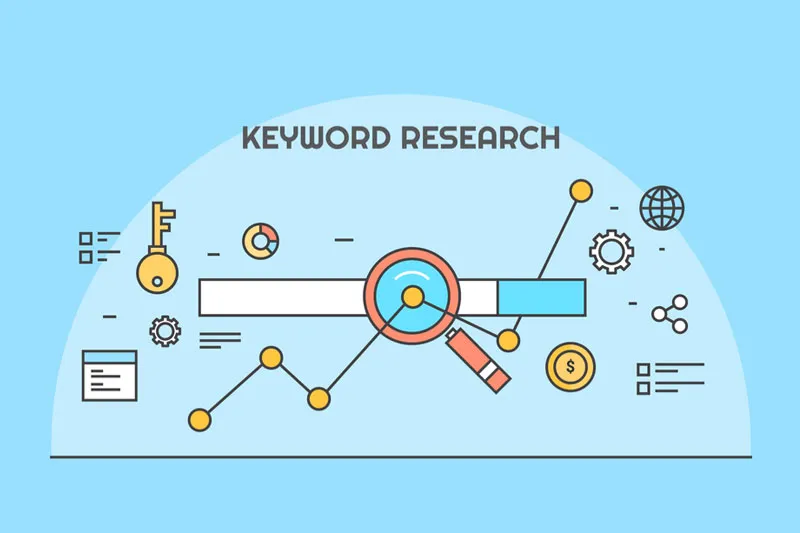
Keywords form the linguistic bridge between the user’s query and the site’s content.
- Head Terms: Broad, highly competitive phrases consisting of one or two words. They possess massive search volume but vague intent.
- Long-Tail Keywords: Highly specific phrases consisting of three or more words. While search volume is lower, the intent is crystal clear, resulting in significantly higher conversion rates.
Utilize industry-standard tools to uncover the specific terminology target audiences use. Structure the content plan around long-tail phrases to build initial momentum, gradually targeting more competitive head terms as the domain gains authority.
Phase 5: Meticulous On-Page Optimization
On-page SEO involves formatting the chosen keywords and content so that algorithms can instantly comprehend the topic, relevance, and hierarchy of the information. This meticulous formatting is a core component of how to appear on Google search consistently.
Title Tags and Meta Descriptions
- Title Tags: This is the clickable blue headline displayed in search results. It must be compelling, accurately reflect the page content, and include the primary target phrase near the beginning. Strict character limits (typically under 60 characters) apply to prevent truncation.
- Meta Descriptions: Located beneath the title tag, this brief summary acts as organic advertisement copy. While not a direct ranking factor, a persuasive meta description dramatically improves the Click-Through Rate (CTR). High CTR signals relevance to the algorithm.
Architectural Headers (H1, H2, H3)
Headers break text into digestible sections, improving readability for humans and establishing topical structure for bots.
- H1: The main title of the page. Only one H1 should exist per page.
- H2: Major subtopics that support the H1.
- H3: Granular details or lists that support an H2.
E-E-A-T and Content Depth
Algorithms prioritize content that demonstrates Experience, Expertise, Authoritativeness, and Trustworthiness (E-E-A-T). Content must be comprehensively researched, factually accurate, and free of grammatical errors. It should cover subtopics thoroughly enough that the user does not need to return to the search results for further clarification.
Proper internal linking also requires descriptive anchor text, which provides immediate context to both users and reading algorithms regarding the destination page.
Image Optimization
Search bots cannot “see” images; they read the data attached to them.
- File Names: Rename raw files (e.g., IMGabc.jpg) to descriptive text (e.g., modern-oak-dining-table.jpg) before uploading.
- Alt Text: Provide descriptive alternative text for every image. This assists visually impaired users relying on screen readers and gives bots vital contextual clues.
Clean URL Structures
URLs must be short, logical, and descriptive. A well-formatted URL (e.g., domain.com/services/roof-repair) provides immediate context, whereas a messy URL (e.g., domain.com/p=123&sort=true) causes confusion.
Phase 6: Earning Authority Through Off-Page SEO
A technically flawless site with excellent content still requires external validation. Search engines treat external links pointing back to a domain as votes of confidence. Accumulating these votes is the most challenging, yet most impactful, strategy for those learning how to get your website to the top of Google.
The Value of High-Quality Backlinks
Not all links possess the same value. A single reference from a highly authoritative, globally recognized publication carries infinitely more weight than hundreds of links from obscure, low-quality directories.
The algorithm evaluates the source domain’s reputation and its topical relevance to the receiving page. Regularly monitoring the backlink profile through dedicated software helps identify and disavow toxic links that could potentially harm the domain’s reputation over time.
Sustainable Link-Building Strategies
Earning authority requires proactive outreach and exceptional asset creation.
- Data-Driven Content: Publishing original industry research, surveys, or comprehensive statistical reports naturally attracts links from journalists and bloggers requiring credible citations.
- Digital PR: Crafting newsworthy narratives and distributing them to industry publications can secure high-authority references.
- Guest Contributions: Authoring highly valuable articles for respected platforms within the same industry allows for natural, contextual links back to the primary domain.
Avoid any schemes that involve purchasing links or participating in link-exchange networks. Algorithms are highly adept at identifying artificial linking patterns, and such tactics invariably lead to severe ranking penalties.
Phase 7: Mastering Local Visibility
For entities that operate physical storefronts or serve specific geographic regions, local optimization is paramount. This ensures visibility when users append “near me” or specific city names to their queries.
The Business Profile
Claiming and meticulously optimizing a Business Profile is non-negotiable. This free listing dictates appearance in map packs and localized results.
- Ensure the Business Name, Address, and Phone Number (NAP) are flawlessly accurate and perfectly match the information displayed on the primary website.
- Select the most accurate primary and secondary business categories.
- Upload high-resolution images of the facility, products, and team.
- Actively solicit client reviews and provide professional responses to both positive and negative feedback.
Consistent NAP data across all secondary local directories (like Yelp, industry portals, and local chambers of commerce) further solidifies geographic relevance in the algorithm’s assessment.
Phase 8: Advanced Content Strategies and Semantic SEO
While foundational keyword research is critical, search algorithms have evolved far beyond exact-match phrases. Modern search engines utilize natural language processing to understand the broader context of a page.
This is known as semantic search. For those looking to master how to get your website on Google, adopting semantic SEO strategies is highly recommended.
Building Topic Clusters
Instead of creating isolated blog posts that target single keywords, structure the site’s content using the pillar-cluster model. A pillar page acts as an exhaustive guide on a broad topic, while cluster pages cover specific subtopics in extreme detail.
- Pillar Page: A comprehensive 3,000-word guide on “Digital Marketing Strategies.”
- Cluster Pages: Specific, deep-dive articles on “Email Marketing Metrics,” “Social Media Algorithms,” and “Pay-Per-Click Budgeting.”
All cluster pages must strategically hyperlink back to the central pillar page. This interconnected web of information signals profound topical authority to search bots.
When algorithms recognize a domain as a definitive topical authority, the entire process of how to get your website to the top of Google becomes significantly faster and more stable.
Optimizing for Dwell Time and Engagement
Securing the initial click from the search results is only a partial victory. The algorithm carefully monitors how long a visitor remains on the site after clicking.
This metric is commonly referred to as dwell time. If visitors immediately return to the search results page—a behavior known as pogo-sticking—the algorithm registers the page as unhelpful, and rankings will inevitably drop.
To maximize user engagement and satisfaction:
- Eliminate Intrusive Elements: Remove aggressive pop-ups or full-page advertisements that disrupt the reading experience.
- Enhance Readability: Utilize short paragraphs, bullet points, and ample white space to prevent visual fatigue.
- Provide Immediate Value: Avoid lengthy, irrelevant introductions. Deliver the core answer to the user’s query as quickly as possible.
- Embed Multimedia: Incorporating relevant videos, infographics, and interactive charts keeps users engaged and significantly increases average time on page.
Structured Data and Rich Snippets
Implementing Schema markup (structured data) provides explicit clues about the exact meaning of a page. By adding this invisible background code, sites can qualify for rich snippets—enhanced visual displays in the search results that might include star ratings, product availability, event dates, or recipe cooking times.
These visual enhancements drastically improve click-through rates, offering a powerful competitive advantage when figuring out how to make your website show up on Google.
Phase 9: Continuous Monitoring and Adaptation
Search engine optimization is not a singular event; it is an ongoing process of analysis and refinement. Algorithms update constantly, and competitor strategies evolve.
Analyzing Performance Data
Rely on Analytics and Search Console to dictate future strategies.
- Identify which specific pages generate the highest engagement and attempt to replicate that structural format.
- Monitor bounce rates. If a page ranks well but users immediately leave, the content is failing to satisfy intent, and rankings will eventually drop.
- Track keyword positioning to determine if on-page adjustments or additional backlink acquisitions are necessary to push a page from the second page of results to the top positions.
Consistency, patience, and data-driven decision-making are the ultimate requirements for sustainable digital growth. By aligning technical health, intent-focused content, and industry authority, any domain can achieve prominent visibility.
Conclusion: How to Appear on Google Search
Achieving consistent search engine visibility is not an overnight accomplishment; it is a calculated, long-term strategic initiative. The blueprint for how to have your website show up on Google revolves around three fundamental pillars: a flawless technical foundation, user-centric content that meticulously addresses search intent, and authoritative external validation through high-quality backlinks.
For webmasters consistently asking how can i get my website on Google, the answer lies in execution, adaptability, and patience. Search algorithms continually evolve to reward domains that prioritize exceptional user experiences and provide definitive, trustworthy answers.
Frequently Asked Questions (FAQ): How Can I Get My Website on Google
1. How long does the process take to see noticeable results?
It generally requires several months of consistent optimization. A brand-new domain must first be crawled and indexed. Following that, building the necessary topical authority to outrank established competitors usually takes between three to six months. SEO is a long-term strategic investment, not an instantaneous solution.
2. Is it necessary to pay search engines directly for organic visibility?
No. Organic placement is entirely merit-based and cannot be purchased. While platforms offer paid advertising models (Pay-Per-Click) that place sponsored links at the very top of the page, the core organic results are achieved purely through relevance, technical health, and authority.
3. Why is a specific page not ranking despite being successfully indexed?
Indexation merely means the algorithm has stored the page in its database; it does not guarantee competitive placement. If an indexed page lacks visibility, it typically suffers from poor keyword optimization, fails to accurately satisfy user search intent, or lacks the necessary authoritative backlinks to compete with other indexed pages on the same topic.
4. Are specific platforms inherently better for ranking potential?
While platforms do not automatically guarantee top placement, systems like WordPress are highly favored because they generate clean HTML, allow for extensive structural customization, and integrate flawlessly with advanced optimization plugins. A flexible CMS makes implementing technical best practices significantly easier.
5. Do social media profiles directly influence algorithm sorting?
Social media metrics (likes, shares, follower counts) are not direct algorithmic ranking factors. However, robust social distribution increases overall brand visibility. Increased visibility leads to higher organic search volume for the brand name and drastically improves the probability of earning natural, high-quality backlinks from other content creators.
Read more: 10 Proven Ways to Monetise Your Website Effectively
Contact US | ThimPress:
Website: https://thimpress.com/
Fanpage: https://www.facebook.com/ThimPress
YouTube: https://www.youtube.com/c/ThimPressDesign
Twitter (X): https://x.com/thimpress_com