Have you been struggling with figuring out exactly how increase website traffic?
Maybe you have tried publishing more blog posts and boosting your social media presence, but things simply do not seem to work out. Generating a steady stream of visitors is rarely an easy task, not to mention learning how to increase organic search traffic consistently over time.
Here is a quick, actionable guide detailing how to create traffic to your website. By applying these essential strategies, you will understand how to raise traffic on your website and discover how to increase traffic website metrics sustainably. These proven methods will help your platform rank higher in best search engines like Google and turn everyday searches into loyal readers.
Eduma – Education WordPress Theme
We provide an amazing WordPress theme with fast and responsive designs. Let’s find out!
Summary: How Increase Website Traffic Today
Below is a quick reference table summarizing the core methods discussed in this guide. This structure helps organize a successful search engine optimization (SEO) campaign. For beginners looking to build a strong foundation before diving into advanced tactics, taking a moment to understand exactly what SEO is can be highly beneficial.
| How to Increase Traffic Website | Key Action Items | Primary Benefit |
| Search Intent Mapping | Match content types to user queries (informational, transactional). | Reduces bounce rates and improves user satisfaction. |
| Keyword Research | Target long-tail phrases and analyze competitor market gaps. | Captures highly targeted, conversion-ready visitors. |
| Technical SEO | Improve page speed, fix crawl errors, add schema markup. | Helps search engines index and understand pages easily. |
| Content Refurbishment | Refresh outdated posts, fix broken links, update statistics. | Capitalizes on existing page authority to regain rankings. |
| Link Building | Optimize internal links, acquire external authoritative backlinks. | Boosts overall domain authority and search engine trust. |
| Data Analytics | Monitor search consoles and analytics for user behavior. | Provides actionable insights to refine marketing strategies. |
1. Prioritize Satisfying Search Intent
Search intent represents the exact reason behind a user’s search query. To succeed in SEO, understanding what users are looking for is mandatory. If the published content does not fulfill this underlying intent, visitors will exit the page immediately. This rapid exit creates a negative user experience signal, which directly lowers search rankings.
There are three primary types of search intent:
- Informational: Users seek general information, tutorials, or answers to specific questions (e.g., “LMS vs eLearning Platform: What’s the Difference“).
- Navigational: Users search for a specific website, brand, or resource (e.g., “ThimPress WordPressTheme“).
- Transactional: Users intend to make a purchase or complete a specific action (e.g., “buy SEO software”).
To identify this intent accurately, put yourself in the audience’s shoes. Consider their exact pain points and the solutions they require. Analyzing the Search Engine Results Pages (SERPs) provides visual clues. Study the structure of the top-ranking pages. Replicating the format that search engines currently favor is a crucial step when learning how to increase organic search traffic efficiently.
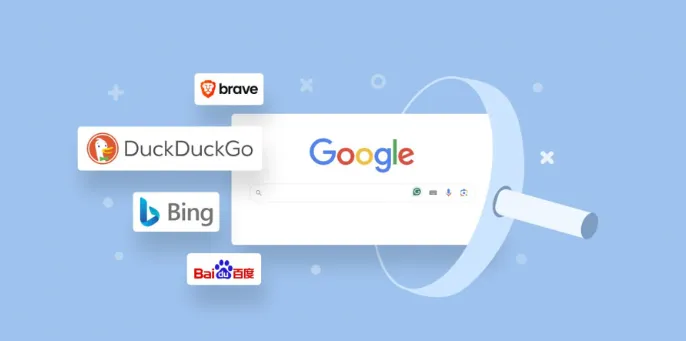
2. Target Keywords Wisely
Keyword targeting remains a cornerstone method for driving visitors. A common mistake involves solely chasing terms with the highest search volumes, which often carry extreme competition. A smarter approach to increase organic search traffic involves targeting highly specific, niche-relevant phrases.
Comparison: Short-tail vs. Long-tail Keywords
| Keyword Type | Characteristics | Competition Level | Conversion Potential |
| Short-tail | 1-2 words, broad topic, massive search volume. | Extremely High | Low (users are browsing) |
| Long-tail | 3+ words, highly specific, lower search volume. | Low to Medium | High (users are ready to act) |
Because long-tail phrases are highly detailed, platforms can attract visitors closely aligned with their specific offerings. For instance, rather than targeting “software,” targeting “best inventory management software for small business” captures an audience ready to make a purchasing decision.
Additionally, long-tail phrases closely resemble natural conversational language. With the growing prevalence of voice searches on mobile devices, optimizing for conversational phrasing is an effective method to explore when researching how to raise traffic on your website. To discover these specific phrases efficiently without spending a budget, consider utilizing a reliable free keyword research tool to analyze search volumes and find market gaps.
3. Ensure Technical SEO Health to Increase Organic Search Traffic
Producing excellent content is only one part of the equation. Search engines must be able to read, understand, and index the site architecture. If a platform is not properly indexed, it remains completely invisible to the public.
Focus on these key technical areas:
- Site Crawlability: Ensure search engine bots can navigate the platform without encountering dead ends. Submitting an XML sitemap acts as a roadmap, highlighting all essential pages.
- Fix Broken Links: Regular technical audits will identify 404 errors. Redirecting these broken links ensures a seamless user journey.
- Implement Schema Markup: This structured data code helps search engines clearly comprehend the context of the content. Adding schema allows search engines to display rich snippets—such as star ratings or event dates—directly in the search results.
Addressing technical errors is a fundamental requirement for anyone asking how to increase traffic website metrics sustainably over a long period.
4. Repurpose and Refresh Old Content Consistently
Search engines consistently reward freshness. When users must choose between a guide published five years ago and one published last week, they naturally gravitate toward the updated information. By strategically updating old blog posts, platforms can capture new visits that lead to higher engagement metrics.
Building upon existing search authority is far more efficient than starting entirely from scratch. To begin this refurbishing process, identify older posts that currently rank on the second or third page of search results. These pages already possess a foundation but require a slight push.
When updating, focus on the following elements:
- Factual Accuracy: Ensure all statements remain correct for the current year.
- Data and Statistics: Replace outdated numbers with the latest industry research.
- Text Formatting: Break up massive blocks of text. Ensure paragraphs are short and easy to digest.
- Visual Assets: Replace irrelevant or low-quality images with modern graphics.
By taking a proactive approach to content decay, site administrators will learn exactly how to create traffic to your website using resources that already exist within their own archives.
5. Optimize Internal Linking Structures
An internal link connects one page of a domain to another page within that exact same domain. This low-cost, highly effective technique requires minimal resources but delivers substantial ranking improvements.

Optimizing internal links provides two major benefits:
- Link Equity Distribution: It helps distribute the value of external backlinks across multiple pages.
- User Navigation: It creates a logical path, helping users find relevant, supplementary content effortlessly.
When an article contains contextual links to related topics, it signals to search engine algorithms that the platform is a comprehensive resource. However, excessive internal linking can appear unnatural. Links must be placed logically, using descriptive anchor text that accurately reflects the destination page. Developing a clear internal linking strategy for SEO ensures that every new post successfully passes value to your most important pages.
6. Invest in Building Quality Backlinks
Backlinks—which are links from external domains pointing to your platform—act as votes of confidence in the digital ecosystem. A strong backlink profile is a primary indicator of trustworthiness and remains one of the most critical ranking factors in search algorithms. In the SEO industry, this practice is referred to as off-page optimization.
Building a robust backlink profile takes structured effort. Focus on creating highly shareable content formats, such as comprehensive guides, original research data, and detailed infographics. These formats naturally attract references from other publishers.
Furthermore, proactive outreach is highly effective. Contacting industry peers to share a newly published, highly valuable resource often results in quality link placements. If you are new to off-page strategies, learning exactly what a backlink is and how it impacts your domain authority is a crucial next step.
7. Analyze Current Data and Metrics
Data analytics removes the guesswork from digital marketing. By examining current metrics, administrators can make calculated decisions rather than relying on pure intuition.
Utilizing tracking software allows for deep insights into user behavior. Analysts can determine exactly where visitors originate geographically, which devices they use, and which specific search queries brought them to the page. This quantitative data highlights which topics resonate most with the audience.
Furthermore, monitoring competitor metrics reveals valuable gaps in the market. Analyzing the keywords competitors successfully rank for provides a strategic roadmap for future content creation. Establishing clear conversion goals—such as newsletter sign-ups or product purchases—and measuring the success rate of those goals is an ongoing step in any successful marketing campaign.
Understanding how to perform a website traffic check correctly will allow you to accurately measure the success of these efforts.
8. Leverage Social Media for Broader Reach
While social media signals do not directly influence search engine rankings, these platforms add tremendous indirect value. Sharing content across social networks exposes the material to a broader audience, which often leads to more natural backlinks and brand searches.
Depending on the business model, it is best to focus on platforms where the target demographic is most active. Business-to-business (B2B) organizations often find success on professional networking sites, whereas consumer-focused brands thrive on visual platforms. Actively engaging with the audience by responding to comments and participating in industry discussions fosters community trust.
Additionally, incorporating visible social share buttons on all articles encourages readers to distribute the content on their own feeds.
9. Target Google’s People Also Ask (PAA)
The “People Also Ask” (PAA) feature is an interactive snippet on search engines that presents related user queries. For example, a search for a broad topic will generate a dropdown list of specific, related questions. Answering these exact questions within the content drastically increases the chances of appearing in these coveted PAA boxes.
To capitalize on this feature, include a dedicated Frequently Asked Questions (FAQ) section at the bottom of major articles. Provide concise, direct answers to the exact questions users are asking. Structuring content to address these secondary queries naturally broadens the keyword reach and captures users looking for highly specific answers.
10. Improve Page Speed
In the modern digital environment, patience is minimal. If a page loads slowly, users will immediately close the tab, resulting in a high bounce rate. Studies show that a vast majority of users expect a page to load in under two seconds. Slow-loading platforms cost digital retailers heavily in lost revenue annually.

A slow page negatively impacts the user experience, which directly lowers search rankings. To resolve speed issues, consider the following actions:
- Compress Images: Large media files are the most common cause of slow load times. Use compression tools to reduce file sizes without sacrificing quality.
- Enable Browser Caching: Caching stores elements of the site in the user’s browser, making subsequent visits much faster.
- Minimize Code: Remove unnecessary characters, spaces, and comments from backend files.
Checking current loading speeds through external diagnostic tools like Google’s PageSpeed Insights provides actionable data to improve performance. To easily resolve these specific bottlenecks on CMS platforms, you might want to look into the best WordPress speed optimization plugins to automate caching and file compression.
11. Enhance User Experience (UX) and Mobile Design to Increase Organic Search Traffic
A well-designed user experience ensures that visitors can seamlessly navigate the layout, find desired information, and achieve their goals without frustration. Search engines closely monitor user behavior metrics. If visitors stay on a page, scroll deeply, and click on multiple internal links, it sends a strong signal that the content is highly valuable.
Furthermore, a mobile-first design strategy is strictly required. A significant portion of global web browsing occurs on smartphones and tablets. If text is too small to read or buttons are too close together on a mobile screen, the bounce rate will skyrocket.
For those operating a WordPress platform, utilizing responsive themes guarantees that no potential audience segment is alienated.
12. Adapt to Generative Engine Optimization (GEO)
The integration of artificial intelligence (AI) and generative chat interfaces into search engines is changing user behavior. Generative Engine Optimization (GEO) involves preparing content to be easily referenced by AI-powered virtual assistants.
To optimize for these emerging technologies, content must be highly authoritative, fact-checked, and structured in a conversational yet professional tone. AI models prefer clear definitions, bulleted lists, and logically structured data. Adapting to GEO ensures a brand remains highly visible as search technologies continue to evolve.
If you are looking to streamline your content creation process to meet these new standards, you might want to explore various ChatGPT alternative tools to optimize your workflow. Additionally, understanding the fundamental differences between machine learning vs AI can help you better grasp how modern algorithms evaluate and rank your platform.
Conclusion
For those wondering how to increase web traffic to your site without relying on expensive paid advertisements, the answers lie in technical optimization and high-quality content.
By thoroughly answering search intent, targeting specific long-tail keywords, maintaining flawless technical health, and consistently refreshing old material, any platform can achieve sustainable growth.
Remember to monitor data continuously and adapt to the ever-changing digital landscape. While building an organic audience takes time and persistent effort, the reward is a stable, highly converting stream of visitors that will support long-term business objectives.
Frequently Asked Questions: How Increase Website Traffic Today
1. How long does it take to see results from SEO?
Search engine optimization is a long-term strategy. Generally, it takes anywhere from three to six months to begin seeing noticeable improvements in rankings and visitor numbers. This timeline depends heavily on the competitiveness of the industry, the current authority of the domain, and the consistency of the content publishing schedule.
2. Is it necessary to hire a professional agency to handle SEO?
While hiring a professional team can accelerate growth, it is not strictly required. Site administrators can successfully manage campaigns by mastering the basics of keyword research, content formatting, and on-page optimization. However, technical audits and complex backlink campaigns often benefit from expert assistance.
3. Does social media directly improve search engine rankings?
No, social media metrics such as likes and shares are not direct ranking factors for search algorithms. However, promoting content across social platforms increases overall brand visibility. This expanded reach often leads to natural link-building opportunities and higher direct search volume, which indirectly boosts overall SEO performance.
4. Why is page speed critical for website performance?
Search engines prioritize user experience above all else. If a page takes longer than a few seconds to load, the majority of users will abandon it. High bounce rates signal to search algorithms that the platform provides a poor experience, resulting in lowered rankings. Fast-loading pages keep users engaged and encourage them to explore further.
5. How frequently should old content be updated?
Content should be reviewed and updated at least once a year, or whenever major industry changes occur. Refreshing an older, high-potential article with new statistics, updated formatting, and current information is often much faster and more effective than writing a completely new post from scratch.
Read more: Selling Digital Products Online: 5 Steps That Work
Contact US | ThimPress:
Website: https://thimpress.com/
Fanpage: https://www.facebook.com/ThimPress
YouTube: https://www.youtube.com/c/ThimPressDesign
Twitter (X): https://x.com/thimpress_com