Starting a website requires a reliable location on the internet, and minimizing upfront costs is a major priority for many businesses, bloggers, and creators. Understanding how to get a web address for free is the crucial first step to establishing an online presence without breaking the budget. A strong digital address acts as a virtual storefront, ensuring that potential customers and readers can easily locate the provided services or content.
This comprehensive guide will explore the top strategies for securing a free domain name, examine the differences between domains and web hosting, and outline the essential factors to consider before committing to a provider.
Eduma – Education WordPress Theme
We provide an amazing WordPress theme with fast and responsive designs. Let’s find out!
Understanding the Basics: Domain Versus Hosting
Before exploring how to get a free website domain, it is highly important to understand the fundamental mechanics of how websites operate. A website requires two distinct elements to function on the internet: a domain and web hosting.
The Domain Name
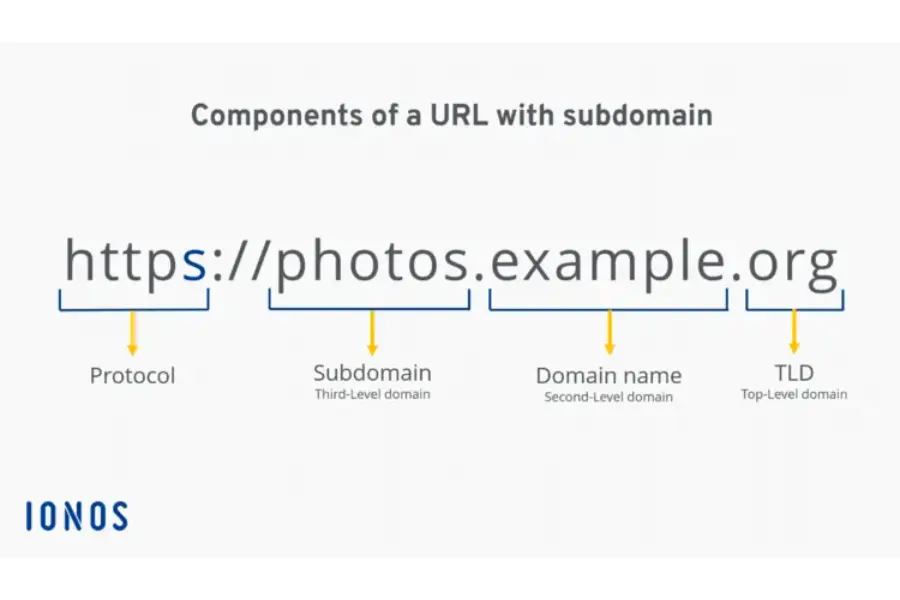
The domain name is the specific address typed into a web browser’s search bar to access a website. If a website is compared to a physical brick-and-mortar store, the domain name is the street address placed on business cards and social media profiles. It directs visitors to the correct location.
Web Hosting
Web hosting is the digital real estate where the website’s files, images, and data are stored. It is the service that keeps the website active and online. The domain name is essentially “parked” at the hosting provider so that when a user types in the address, the hosting server delivers the website content to their screen.
Without both components, a website cannot exist. Fortunately, many companies combine these services, making it simpler to manage.
Top-Level Domains (TLDs) and Subdomains
When searching for a free domain, two specific terms frequently appear: TLDs and subdomains.
- TLD (Top-Level Domain): This is the suffix at the end of the web address, such as .com, .net, or .org. These are professional, highly recognizable endings.
- Subdomain: This is an address that sits underneath another company’s primary domain. For example, a subdomain might look like yourbusiness.websitebuilder.com. While subdomains are entirely free to use, they are generally less professional than a custom TLD and are better suited for initial testing phases.
Method 1: Utilize Free Domain Registrars
The most direct answer to the question of how to get a web address for free is to use a dedicated free registrar. Services such as Dot TK and Freenom specialize in free domain name registration. These platforms allow users to search for an available name and select from a handful of no-cost extensions, specifically .tk, .ml, .ga, .cf, and .gq.
While this approach requires absolutely zero financial investment, there are significant caveats to consider:
- Lack of Ownership: Users do not actually own domains acquired through these specific registrars. The platform registers and owns the address, merely granting the user the right to utilize it. Consequently, the domain cannot be sold or transferred to another party.
- Professional Appearance: The provided extensions (.tk, .ml, etc.) are relatively uncommon. For a business-focused site, these unusual suffixes might appear illegitimate or unprofessional to potential customers.
- Strict Usage Policies: The domain can be revoked without warning if the registrar determines that the site violates their terms of service, such as engaging in spamming activities.
For users seeking cheap domain registration free from immediate renewal obligations, these platforms are functional. However, they are best reserved for personal projects or temporary portfolios rather than long-term business ventures.
Method 2: Explore Website Builder Services
Website builders are intuitive platforms that allow individuals to design and launch websites quickly, often using drag-and-drop technology. To attract new users, many of these platforms offer a free domain name when subscribing to an annual premium plan.
This is a highly efficient way to handle technical setups, as the domain and the website design tools are located in the same ecosystem. However, the free domain registration is almost always promotional and limited to the first year. Once the initial year concludes, the domain will renew at the provider’s standard rate.
Here is a breakdown of popular website builders that provide this incentive:
Wix is a versatile and widely used website builder. It provides a free domain for one year alongside its annual premium plans. After the first twelve months, retaining the address requires an annual renewal fee of approximately $14.95. It is important to note that Wix’s promotional offer does not include domain privacy, which must be purchased separately for around $9.90 per year.
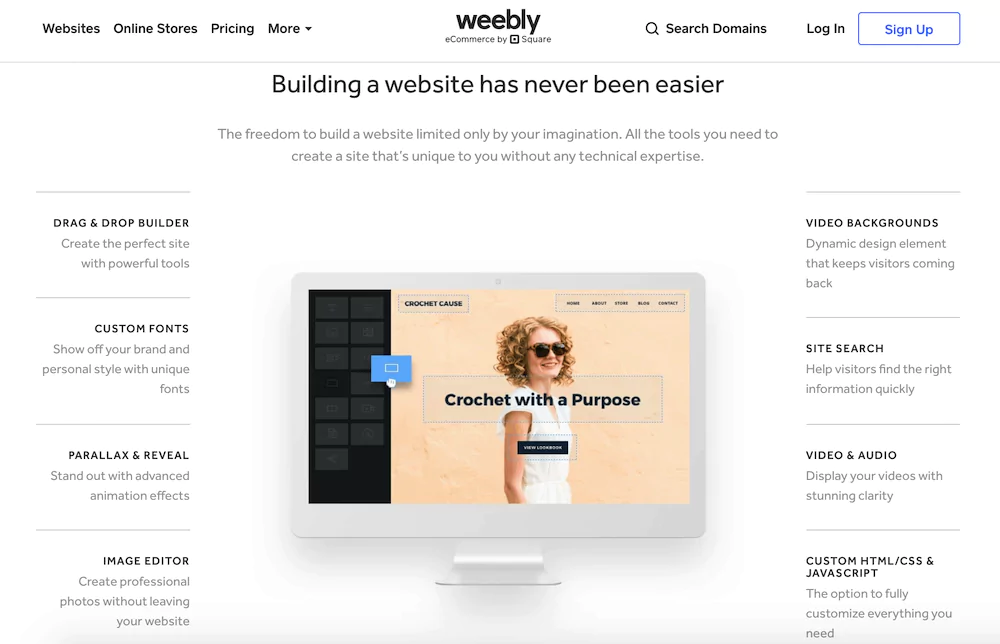
Weebly is another robust option that grants a free domain with its Pro plan or higher-tier subscriptions. Following the one-year grace period, the domain name renewal costs $19.99 per year. Similar to Wix, privacy protection is billed separately, costing an additional $10 annually.
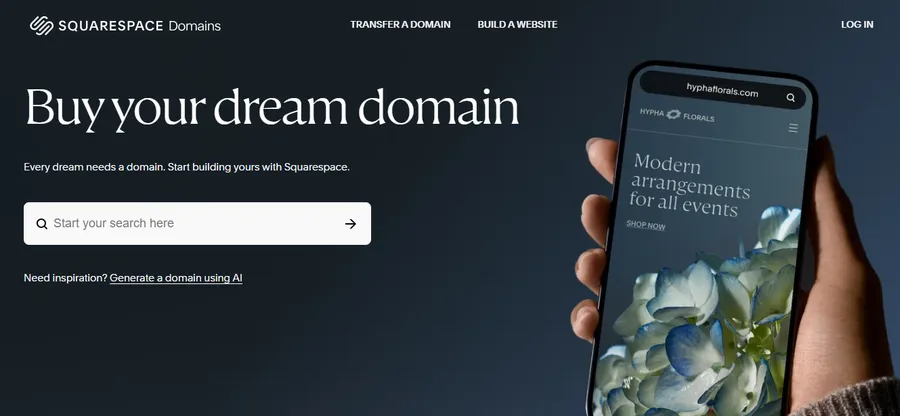
Squarespace caters to users seeking highly aesthetic, design-focused templates. It also offers a free one-year domain name with annual plans. A significant advantage of choosing Squarespace is that Whois privacy protection is included in the package at no extra cost. Renewing the domain through Squarespace generally costs $20 per year.
While website builders simplify the process, early termination of the annual contract often incurs penalty fees. Users might be charged a prorated amount for the domain if they cancel the website builder subscription before the year concludes.
Method 3: Visit Web Hosting Services
The third primary avenue utilizes traditional web hosting companies. Much like website builders, hosting platforms frequently bundle free domain name registration into their annual plans to encourage long-term commitments. This method is particularly popular for users building sites on content management systems like WordPress.
Securing a web hosting with free domain package is often the most cost-effective route for small businesses that require full control over their site’s backend functionality. Finding a domain name web hosting free setup ensures that the technical configuration between the server and the address is handled automatically by the provider.
Consider the following hosting options:
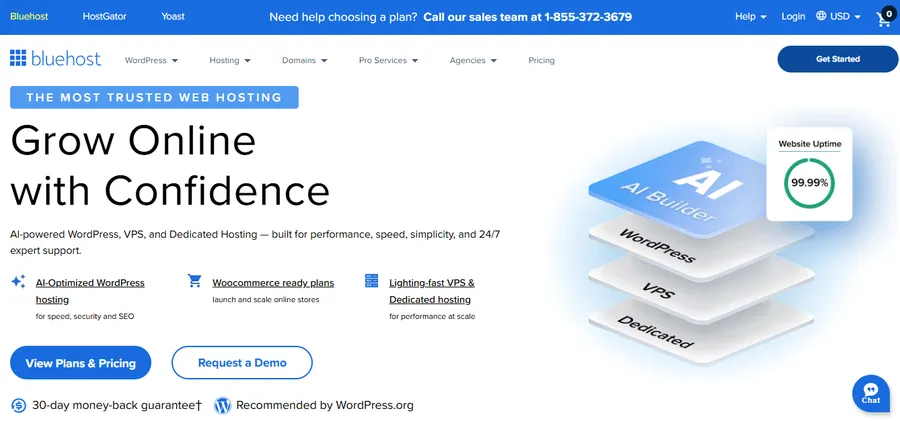
Bluehost is consistently recognized as an affordable, reliable web host. An annual shared hosting package can start as low as $35.40 for the first year ($2.95 monthly), and it includes a free domain name. Domain privacy is not included and costs an additional $0.99 per month. After the promotional year, renewing a standard .com extension costs $19.99 annually, with privacy protection billed at $15 per year.
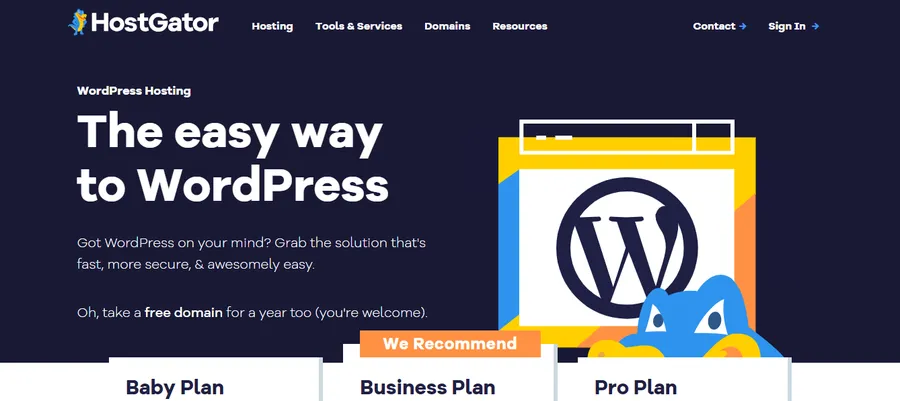
HostGator provides free domain hosting with its Hatchling plan, provided the commitment is for one year or longer (starting around $3.95 per month). Once the initial promotional period expires, the domain renewal averages $18.99 per year for a .com extension. Privacy protection is an optional add-on billed at $14.95 annually.
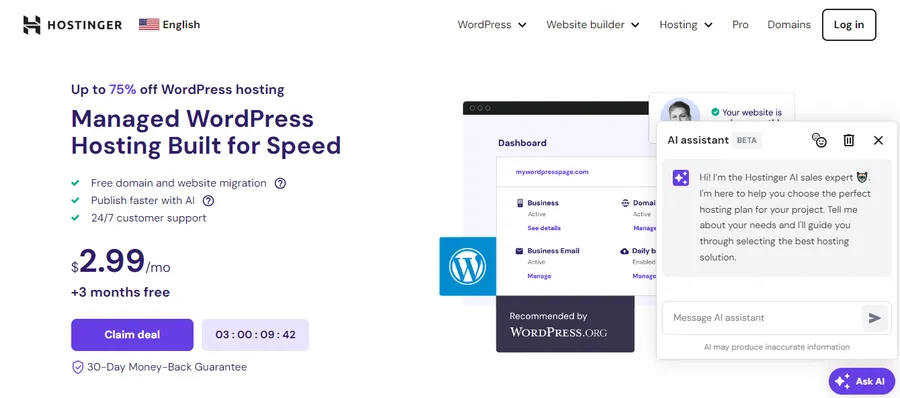
Hostinger is known for competitive, reasonable renewal rates. A premium shared hosting plan requires an annual commitment, starting around $2.59 per month. This package provides a free domain name and frequently includes Whois privacy protection. After the first year, domain renewal costs a highly competitive $13.99 annually.
When choosing this route, evaluate the hosting quality just as strictly as the domain offer. Fast loading speeds, reliable uptime, secure SSL connections (HTTPS), and responsive customer support are critical factors that heavily influence search engine optimization (SEO) and user experience.
Best Practices for Choosing a Web Address
Securing a free domain is only part of the equation; selecting the correct name is equally crucial for long-term success. Changing a web address later is technically possible, but it requires significant effort to update marketing materials and preserve search engine rankings.
Follow this checklist to ensure the chosen name is highly effective:
- Keep it Short and Simple: Shorter names are easier to type, read, and remember.
- Ensure Easy Spelling: Avoid complex words or alternative spellings that might confuse potential visitors.
- Avoid Hyphens and Numbers: Hyphens are easily forgotten, and numbers can cause confusion (e.g., whether to use the digit “5” or the word “five”). A clean, alphabetical string is always preferred.
- Test Speakability: Choose a name that can be clearly understood when spoken aloud over the phone or in a busy environment.
- Utilize Brand Names: Incorporate the official business name if possible. Always conduct a thorough search on search engines and social media platforms to ensure no similar businesses are operating under the same identity.
- Consider Local Keywords: For businesses operating in a specific city, adding the location to the domain (e.g., chicagoplumbing.com) can clarify the service area. However, this may limit flexibility if the business expands to new locations in the future.
The Importance of Domain Privacy Protection (Whois)
When exploring how to get a web address for free, the topic of domain privacy protection frequently arises. Whenever a domain is registered, the governing bodies of the internet require the owner’s contact information to be recorded in a public directory known as the Whois database. This includes the registrant’s name, physical address, email, and phone number.
Without privacy protection, this information is visible to anyone on the internet. For established brick-and-mortar businesses, this might not pose an issue, as their contact details are already public. However, for independent bloggers, remote workers, or individuals running a business from their home, exposing a personal address is a serious security and privacy concern.
Domain privacy protection acts as a shield. When this service is activated, the registrar replaces the user’s personal data with the registrar’s generic corporate information in the public database. This prevents data mining, reduces unsolicited spam emails, and protects personal anonymity. While some web hosts and builders include this for free, others charge an annual premium. It is a vital factor to verify before finalizing any registration.
Conclusion
Establishing an online presence does not have to begin with exorbitant costs. By carefully evaluating website builders, exploring promotional hosting packages, and understanding the long-term renewal terms, finding exactly how to get a web address for free becomes a highly manageable and strategic process. Ensure the chosen name is memorable, professional, and properly secured to build a lasting digital foundation.
Frequently Asked Questions (FAQs)
1. Is it truly possible to get a domain without paying anything?
Yes, it is possible. Certain registrars provide extensions like .tk or .ml completely free of charge. Alternatively, signing up for an annual web hosting or website builder plan frequently includes a complimentary domain for the first year. However, finding a highly desirable .com extension that is free forever without any associated hosting purchase is virtually impossible.
2. What is the main difference between a domain and web hosting?
The domain is the readable address that visitors type into their browsers (e.g., yourbusiness.com). Web hosting is the physical server space where all the website’s text, images, and code are stored. Both are strictly necessary to make a website accessible to the public.
3. Does getting a free domain hurt my website’s SEO?
Using a subdomain (like yourname.builder.com) or an obscure extension (.tk) can indirectly impact SEO, as search engines and users generally view top-level domains (.com, .net, .org) as more authoritative and trustworthy. However, if the free domain is a standard .com obtained through a promotional web hosting with free domain package, it will perform perfectly well in search engine rankings.
4. Can I transfer a free domain to another hosting provider later?
This depends entirely on how the domain was acquired. If it was registered through a completely free registrar (where ownership remains with the platform), it cannot be transferred. If the domain was obtained as a free promotional item bundled with a paid website builder or hosting plan, full ownership belongs to the user. In that case, the domain can be transferred to a new provider, typically after a mandatory 60-day waiting period.
5. What happens when the one-year free domain promotion expires?
Once the initial promotional year ends, the user must pay the standard annual renewal fee dictated by the registrar or hosting provider to maintain ownership of the address. If the renewal fee is not paid, the domain will eventually expire, return to the public market, and can be purchased by a competitor or another individual. Setting up auto-renewal is highly recommended to prevent accidental expiration.
Read more: How Much Does It Cost to Build a Website from Scratch?
Contact US | ThimPress:
Website: https://thimpress.com/
Fanpage: https://www.facebook.com/ThimPress
YouTube: https://www.youtube.com/c/ThimPressDesign
Twitter (X): https://x.com/thimpress_com