Building sustainable organic traffic and domain authority requires more than just publishing articles on an internal company website. Guest blogging is one of the most reliable strategies to expand digital reach, build quality backlinks, and attract ready-to-buy audiences directly from established industry platforms.
Whether the objective is to generate high-converting referral leads, build brand recognition, or improve search engine rankings, understanding how to execute an effective outreach campaign is essential. This comprehensive guide covers the core mechanics of collaborative publishing, the mutual benefits for both hosts and contributors, step-by-step outreach methods, and proven best practices to maximize return on investment.
Eduma – Education WordPress Theme
We provide an amazing WordPress theme with fast and responsive designs. Let’s find out!
Quick Summary: Key Takeaways at a Glance
Before diving into the operational details, the table below summarizes the core elements of a successful external publishing strategy:
| Core Aspect | Definition & Strategic Value | Primary Benefit |
| Core Concept | Publishing original, expert-written articles on an external website within a relevant industry niche. | Expands brand visibility to an already established and engaged readership. |
| Value for Host Sites | Receives fresh, diverse perspectives and consistent educational content without straining internal writing teams. | Enhances topical authority, keeps the content calendar active, and boosts reader engagement. |
| Value for Contributors | Gains direct exposure to a wider target demographic, networking opportunities, and high-authority referral links. | Drives qualified referral traffic, builds personal or corporate credibility, and improves search rankings. |
| SEO Impact | Earns contextual links from trusted domains, signaling credibility and relevance to search engine algorithms. | Increases Domain Rating (DR), strengthens keyword performance, and accelerates organic growth. |
| Golden Rule | Prioritize genuine educational value for the reader over overly promotional sales pitches or excessive link placement. | Ensures high editorial acceptance rates and protects websites from search engine penalties. |
What Is Guest Blogging?
At its core, guest blogging occurs when an organization invites or accepts an external writer, industry practitioner, or subject matter expert to create an article for publication on its website. In the majority of cases, the contributing writer operates within the same industry or possesses specialized knowledge directly relevant to the host organization’s target audience.
Maintaining a consistent publishing schedule is a massive undertaking for any marketing department. While businesses rely on content marketing to educate customers and guide them toward specific products or services, internal teams often run out of bandwidth or fresh perspectives. Inviting external contributors solves this bottleneck while fostering valuable industry partnerships.
Furthermore, this collaborative approach works seamlessly alongside other growth initiatives, such as co-marketing campaigns, sales collaborations, and affiliate marketing strategies. By sharing intellectual resources, both the publishing platform and the contributing author create a mutually beneficial ecosystem that delivers superior value to the end reader.

How Hosting External Content Benefits the Publishing Website
Accepting external contributions is not merely a way to fill an empty content calendar; it is a strategic move that strengthens a brand’s market position. When a company opens its platform to qualified industry voices, the host website unlocks several distinct advantages:
1. Enhanced Brand Awareness and Credibility
Consistently publishing engaging guest posts establishes a company blog as a premier destination for industry insights.
When readers realize they can access diverse expertise from a wide range of talented professionals in one place, they naturally associate the host brand with high-value education.
Over time, this positive association ensures that potential customers think of the host company first—rather than its competitors—when making purchasing decisions.
2. A Steady Stream of Fresh Perspectives
Even the most talented internal writing team can occasionally fall into repetitive patterns, causing a company blog to feel stale or predictable. Introducing external contributors injects fresh energy, unique writing styles, and diverse viewpoints into the platform.
The only strict requirement is maintaining topical relevance. For instance, an in-depth tutorial on cloud collaboration technology is an ideal fit for a B2B business, whereas a health food company would need articles focused on nutrition, wellness, or sustainable sourcing.
3. Stronger Industry Leadership
Every growing business wants to be perceived as a thought leader within its sector. By actively curating insights from respected specialists and niche experts, a host website significantly widens the knowledge base available to its subscribers.
Acting as a central hub for expert commentary naturally elevates the host brand’s authority across the entire industry.
4. Sustainable Search Engine Growth
Integrating well-researched external articles is a reliable method to strengthen guest blogging SEO performance.
Experienced contributors naturally incorporate relevant terminology, comprehensive subtopics, and helpful resource links into their drafts.
This depth of coverage helps search engines better understand the host website’s topical relevance, allowing the domain to rank on Google for a broader array of search queries and attract more potential customers.

How Contributing Content Benefits the External Writer
While some external articles result from a direct invitation by the host company, many begin with a proactive pitch from a writer or brand representative.
For startups, emerging writers, and established businesses looking to scale, contributing content to third-party platforms delivers substantial rewards:
- Valuable Industry Relationships: For growing companies and independent specialists, collaborative publishing is an exceptional networking tool. Building an ongoing editorial relationship with larger organizations or influential publications often leads to joint webinars, co-authored research reports, and long-term business partnerships.
- Extended Market Reach: Writing for an established publication immediately places a contributor’s insights in front of a massive, pre-built readership. When the article genuinely engages and educates those readers, a significant percentage will click the links pointing back to the contributor’s business or review the author’s biography to learn more about their solutions.
- Rapid Audience Growth: Every content creator and business owner wants a larger, more loyal audience. By contributing to reputable blog posting sites that already command high monthly traffic, writers can steadily funnel engaged readers back to their own platforms. Satisfied readers are also highly likely to share informative articles across their social media networks, multiplying the organic reach.
- Direct Financial Compensation: While many marketers contribute content primarily for brand exposure and lead generation, freelance writers are frequently paid directly for their expertise. In fact, many specialized copywriters build lucrative careers simply by producing high-level articles for industry publications.
- Professional Recognition and Authority: Consistently appearing on respected industry platforms transforms an unknown specialist into a recognized authority. When a contributor executes a smart content strategy and secures placements across multiple top-tier websites, their name becomes synonymous with niche expertise, unlocking speaking engagements, consulting offers, and media interviews.
Comparison: Host Website vs. Contributing Writer Benefits
| Strategic Dimension | Benefits for the Host Website | Benefits for the Contributing Writer |
| Content & Production | Acquires high-quality, diverse articles without increasing internal payroll costs. | Showcases deep subject matter expertise through polished, actionable writing. |
| Audience & Traffic | Retains current subscribers by offering varied viewpoints and specialized tutorials. | Captures referral traffic and converts the host’s readership into new leads. |
| Authority & Branding | Positions the platform as an inclusive, leading hub for industry knowledge. | Builds personal recognition and associates the contributor’s brand with trusted sites. |
| Search Optimization | Expands keyword coverage and increases total indexed pages on the domain. | Secures authoritative contextual mentions and strengthens overall domain metrics. |
The Strategic Role of Link Building and Search Visibility
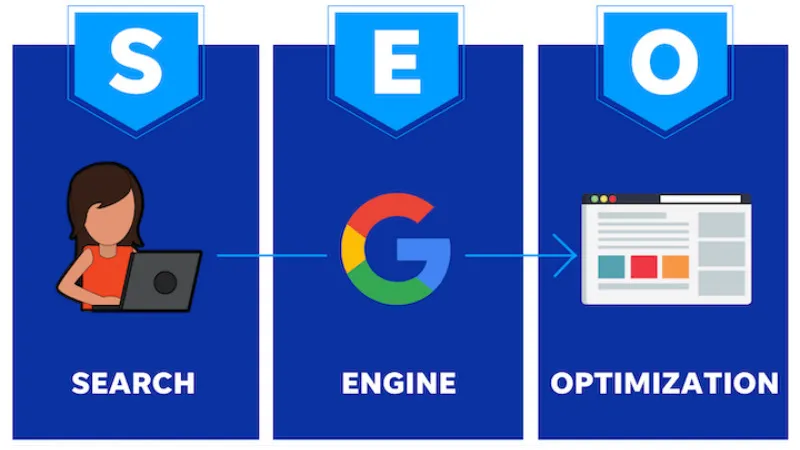
Beyond brand awareness and referral traffic, search engine optimization remains the primary driver behind most collaborative publishing campaigns.
Search engines treat links between websites as votes of confidence. When a reputable domain links to another site, search algorithms interpret that connection as proof that the linked resource is trustworthy and valuable.
Understanding the mechanics of guest posting in SEO helps marketing teams allocate their outreach resources effectively:
- Contextual Relevance: A link embedded naturally within the body of a relevant, 1,500-word article carries far more algorithmic weight than a random link placed in a website footer or directory. Search engines analyze the surrounding text to confirm that both websites share a logical topical connection.
- Authority Transfer: Earning a placement on a high-authority domain transfers strong ranking signals (often referred to as link juice in SEO) to the contributor’s website. Over time, this steady influx of authority helps the receiving website rank higher in competitive search results.
- Sustainable Profile Growth: Utilizing guest blogging for backlinks allows businesses to build a natural, white-hat link profile using reliable SEO link building tools. So long as the primary focus remains on delivering exceptional educational value to the reader, earning editorial links through contributed content remains one of the safest and most effective optimization tactics available.
Step-by-Step Guide: How to Start a Successful Outreach Campaign
Possessing deep industry knowledge and strong writing skills is only the first half of the equation. Breaking into the world of external publishing requires a structured, professional approach. Follow these three foundational steps to secure placements on respected platforms:
Step 1: Define Clear Campaign Goals
Before sending a single outreach email, clarify the exact objective of the campaign. Is the primary goal to generate direct freelance income? Is it to drive product sign-ups and referral traffic for a startup? Or is the focus strictly on guest blogging SEO to improve rankings for specific commercial pages? Knowing the exact desired outcome dictates which websites to target, what topics to pitch, and how to structure the call-to-action.
Step 2: Identify Relevant Opportunities
Compile a targeted list of companies, industry publications, and blog posting sites that align with the contributor’s core expertise. Ideal targets fall into two categories:
- Organizations that serve the exact same customer base without offering directly competing products (e.g., an e-commerce agency writing about email marketing platforms for a payment gateway blog).
- Industry media platforms that cover tools, strategies, and trends related to the contributor’s daily work.
Always perform a website traffic check to evaluate the target site’s audience engagement, content quality, and domain metrics to ensure the partnership is worth the time investment.
Step 3: Tailor the Pitch and Approach
Generic, copy-pasted outreach emails are almost always ignored by busy editors. When approaching a target organization, personalize the communication:
- Showcase a Writing Portfolio: Provide links to a portfolio website or previously published articles to prove writing proficiency and subject matter mastery.
- Request Submission Guidelines: Ask the editorial team if they maintain formal contributor requirements, formatting rules, or style guides.
- Analyze Existing Content: Read several recent articles on the host site to understand their tone of voice, formatting preferences, and depth of coverage.
- Pitch Unique Angles: Never propose a topic the website has already covered extensively. For example, if a target blog recently published a beginner’s guide to must-have digital marketing tools, they will not accept an identical listicle. However, they might eagerly accept an advanced case study on automating customer retention workflows using those specific tools.
Best Practices for High-Converting Contributed Content
Securing a placement approval is a major milestone, but simply submitting an acceptable draft is not enough to generate long-term business results. While the primary objective is always to educate, entertain, and engage the host site’s readership, applying the following best practices ensures every published piece delivers maximum impact:
Craft a Compelling Author Biography
The author bio is often the only place where a contributor is permitted to be overtly self-promotional.
Use this brief section to establish clear professional credentials, build immediate trust with the reader, and include a relevant link back to the author’s website, portfolio, or company landing page. Providing a high-value free resource (such as a template or checklist) in the bio can significantly increase click-through rates.
Build Links Strategically (Avoid Over-Optimization)
Every contributed article should include helpful, natural links.
These should consist of links supporting the host’s internal linking strategy for SEO by pointing to other relevant articles on their website, alongside agreed-upon external links pointing to authoritative data sources or the contributor’s own platform.
However, restraint is critical. Stuffing an article with excessive commercial links or unnatural anchor text will result in immediate rejection by the editor—and can trigger algorithmic penalties from Google. Ensure every single link serves the reader’s educational journey.

Promote and Share the Published Piece
Never restrict an article’s visibility solely to the existing readers on the host site. Once the post goes live, make it easily shareable and actively distribute it across email newsletters, LinkedIn, X (formerly Twitter), and relevant professional communities using social media marketing tools.
Driving extra social traffic to the article not only extends the contributor’s reach, but it also delights the host editor, increasing the likelihood of repeat publishing invitations.
Monitor Performance Metrics
Treat external articles with the same analytical rigor as internal marketing campaigns. Track how each published piece performs over time by monitoring:
- Reader engagement and comment activity on the original post.
- Social media shares, mentions, and discussion threads.
- Direct referral traffic and conversion rates inside Google Analytics.
- Improvements in search engine rankings for the linked target pages using a reliable SEO ranking checker.
Where to Publish? Partner with ThimPress for High-Authority Reach

Finding a reputable guest post website that combines strict editorial quality, massive organic traffic, and top-tier domain metrics is often the hardest part of any outreach campaign.
For brands, agencies, and specialists operating in the web development, e-learning, and digital marketing sectors, ThimPress offers an exceptional advertising and guest post platform.
By contributing to ThimPress, businesses can connect directly with a dedicated global community of 34,000+ WordPress professionals, educators, and e-commerce entrepreneurs.
Why Choose the ThimPress Platform?
- Domain Rating (DR): High-authority SEO impact
- Audience Reach: 1,000,000+ to 100,000,000+ Annual Page Views across the ecosystem
- Community Base: 34,000+ active industry professionals and 300+ trusted global partners
- Content Library: 600+ in-depth, high-ranking articles published
Available Collaboration & Advertising Services
ThimPress currently welcomes partnerships across four specialized models:
- Sponsored Guest Post (Starting from $150/link): Publish comprehensive, SEO-optimized articles to engage a targeted global audience and earn high-authority backlinks.
- Link / Product Insertion: Boost keyword rankings quickly by placing a contextual do-follow link or product mention within existing, high-traffic, proven articles.
- Premium Banner Advertising: Maximize brand exposure with strategic visual placements on the ThimPress Homepage or Blog index, reaching thousands of daily visitors.
- Mutual Link Exchange: Open to fair content and link swaps with high-quality, relevant websites (DA 50+) that serve a similar professional demographic.
Accepted Topics & Niches
The ThimPress editorial team prioritizes original, well-researched content tailored to its core readers. Popular topic categories include:
- WordPress & Web Tech: WordPress Development, WordPress Themes, WordPress Plugins, Web Design, WordPress Hosting, and Website Optimization.
- E-Learning & Education: Top Learning Management Systems (LMS), E-Learning Technologies, and Education Trends.
- E-Commerce & Marketing: WooCommerce, Shopify, E-Commerce Growth, SEO Marketing, Digital Marketing, and SaaS Tools.
Editorial Requirements & Guidelines
To maintain high platform standards and protect link equity for all partners, submissions must adhere to the following technical criteria:
| What Contributors Should Do (Requirements) | What Contributors Must Avoid (Restrictions) |
| Write a minimum post length of 1,000+ words of original, actionable content. | No restricted niches: Strictly no MLM, CBD, crypto/forex, gaming, gambling, financial services, or adult content. |
| Share completed drafts via Google Docs or Microsoft Word files. | No plagiarism or duplicate content: Never submit previously published articles or unverified information (always credit third-party data sources). |
| Format images with a maximum width of 960 pixels and send them as separate attachments. | No pure self-promotion: Articles must educate and bring genuine value to the audience, rather than acting as a pure sales pitch. |
| Ensure partner websites maintain a Moz DA of 45+ and a Spam Score under 5%. | Note: The editorial team reserves the right to edit submissions for clarity or decline drafts that violate these rules. |
| Include up to 2 do-follow brand links per Paid Post (all other external links must be highly relevant and non-promotional). |
How to Submit a Draft in 3 Simple Steps
- Submit the Draft: Upload the completed article draft and specify project budget/service requirements via the official ThimPress Advertise & Guest Post contact form.
- Editorial Review: The internal content team carefully evaluates the submission for quality, topical alignment, and technical compliance.
- Get Published: Once approved, the article is formatted and published, and a confirmation email with the live URL is sent directly to the contributor.
For more information, you can discover ThimPress’s Advertise & Guest Post.
The Bottom Line
When executed with a focus on quality and mutual value, guest blogging delivers compounding returns for everyone involved.
For host publications, external contributors provide fresh, educational material that marketing departments can easily repurpose across email campaigns and social media channels.
For contributing writers and brands, it unlocks immediate access to established audiences, builds lasting industry relationships, and secures the authoritative links needed to dominate search results.
By understanding the strategic role of collaborative content and following strict editorial best practices, any business can position itself as a trusted leader in its field.
Frequently Asked Questions (FAQs): Guest Blogging
1. Is guest blogging still effective for SEO?
Yes, when focused on quality and topical relevance, guest blogging remains one of the most effective white-hat strategies for improving search visibility. Earning contextual links from high-authority domains signals trust to search engines, which directly improves organic keyword rankings and overall Domain Rating.
2. How many links should be included in a contributed article?
Most reputable publications allow between one and two links pointing back to the contributor’s brand or website (typically placed naturally within the body text or inside the author biography). Including additional non-promotional links to trusted third-party studies, statistics, and the host site’s own internal pages is also recommended to make the article more helpful for readers.
3. How do writers find legitimate websites that accept external posts?
Start by listing non-competing businesses, software providers, and industry media platforms that serve the same target customer. You can also search Google using specific queries like [your industry] + “write for us” or “submission guidelines”, check competitor websites using tools to find backlinks for a site, or partner directly with established platforms like ThimPress.
4. What is the difference between a free contribution and a sponsored post?
A traditional contribution relies purely on editorial outreach, where a writer pitches a topic for free in exchange for exposure and an author bio link. A sponsored guest post involves paying a transparent publishing fee to a high-traffic website to guarantee faster editorial review, permanent placement, and specific do-follow link inclusions.
5. Why do editors reject submitted articles?
The most common reasons for rejection include pitching topics the website has already covered, submitting overly promotional content that reads like an advertisement, failing to meet minimum word count or formatting guidelines, and including irrelevant or spammy external links. Always read the host site’s guidelines carefully before submitting a draft.
Read more: Data Privacy Regulations: A Practical Guide for Website Owners
Contact US | ThimPress:
Website: https://thimpress.com/
Fanpage: https://www.facebook.com/ThimPress
YouTube: https://www.youtube.com/c/ThimPressDesign
Twitter (X): https://x.com/thimpress_com