Running an educational website is a valuable project. It helps people learn new skills, prepare for exams, and achieve their goals. However, maintaining a high-quality website requires time, effort, and financial resources. For website owners, the main challenge is finding the right balance between teaching students and earning revenue.
To monetize education website platforms effectively, it is important to have a clear plan. A good strategy generates revenue without disturbing the learning experience.
This article explains the current trends in online education and provides practical methods to build a successful WordPress education business.
Eduma – Education WordPress Theme
We provide an amazing WordPress theme with fast and responsive designs. Let’s find out!
The Current State of Online Education
The way people learn online is changing. To create a profitable website, it is necessary to understand what students want today. According to recent market data, the e-learning industry is projected to grow significantly, driven by a demand for flexible learning options.
1. The Demand for Practical Skills
Many adults use the internet to improve their careers. They want to learn specific skills, such as coding, design, or business management. There is a high demand for practical content like short courses, tutorials, and practice tests. Websites that offer these tools are very popular. This trend means that simple blog posts are often not enough. Users expect structured lessons and clear results.
2. Learning through Entertainment
The difference between education and entertainment is becoming smaller. Students prefer content that is engaging and easy to watch. Short videos and interactive quizzes are replacing long, difficult text. Publishers must provide interesting content to keep users on the site. If the content is boring, users will leave quickly.
3. The Importance of Community
Modern learners like to connect with others. They want to ask questions, share progress, and get support. Features like forums and discussion groups are essential. These features encourage users to return to the site often. A loyal community creates more opportunities for education website income because returning users are more likely to buy products.

Building a Strong Technical Foundation to Sell Courses Using WordPress
Before thinking about sales, the website must work perfectly. A common mistake is focusing on marketing before the website is ready. To make money education WordPress sites must look professional and load quickly.
The Role of the Website Theme
The design of the website is the first thing a visitor sees. If the design looks old or disorganized, visitors will not trust the content. Trust is very important in education. Users will not pay for courses if they do not trust the provider.
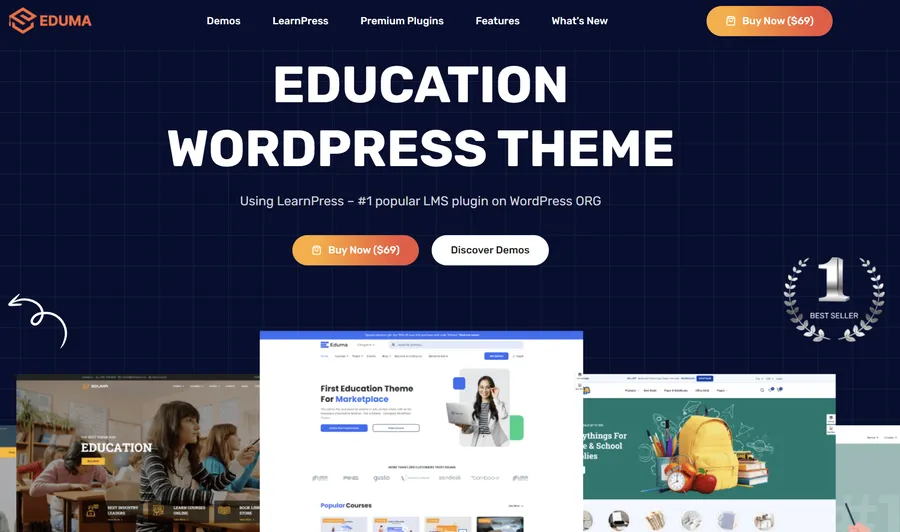
This is why choosing a specialized theme is important. A general blog theme often lacks the necessary features for education. A solution like Eduma is a strong example of a proper education theme. Eduma is designed specifically for schools and online learning centers. It provides a clean layout, fast performance, and professional design elements. Using a theme like Eduma ensures that the user experience is smooth. When the website is easy to use, students are more likely to stay and purchase courses.
Additionally, using a trusted platform like WordPress ensures you have full control over your data and customization options, unlike closed platforms where you might be restricted.
Core Strategies to Monetize Education Website
There are several proven ways to generate revenue. The best approach often involves using a combination of these methods.
1. Selling Online Courses
The most direct way to monetize education website traffic is to create and sell courses. This changes a standard website into a complete online school.
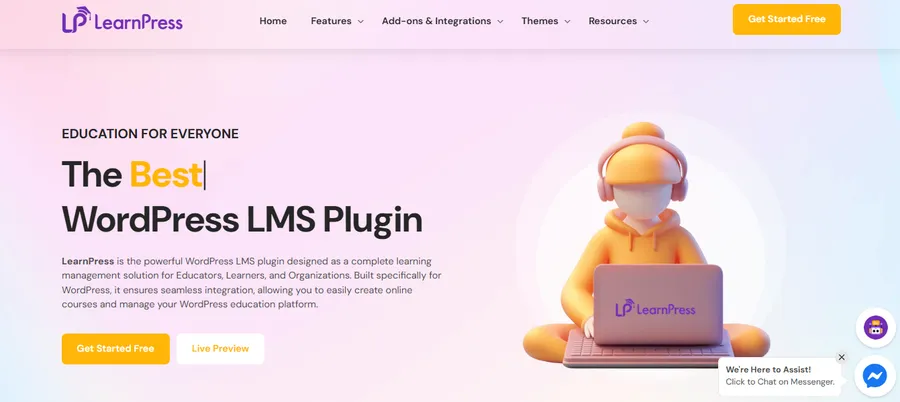
To sell courses using WordPress, a specific tool is required to manage the lessons. This tool is called a Learning Management System (LMS). LearnPress is a leading choice for this purpose. LearnPress allows website owners to create curriculums, manage quizzes, and handle payments easily.
The combination of LearnPress and Eduma is very powerful. Eduma provides the beautiful design, and LearnPress provides the technical system to manage students. This pair allows a website owner to offer a professional learning environment without needing complex coding skills.
- Freemium Model: A good strategy is to offer the first few lessons for free. This allows the student to test the quality of the content. If they like the free lessons, they are more likely to pay for the full course.
- Ownership: When selling courses on a personal WordPress site, the owner keeps the profits. This is better than third-party platforms that take a large commission.
2. Membership and Subscription Models
A membership website model is different from selling a single course. In this model, the user pays a recurring fee (monthly or yearly) to access all content on the site.
This model is excellent for a WordPress education business because the income is predictable. It helps stabilize the cash flow. To make this work, the website must provide new content regularly.
- Tiered Access: Administrators can create different levels of membership using tools like Paid Memberships Pro. For example, a “Basic” member might read articles, while a “Pro” member can watch video tutorials and download study guides.
- Community Access: Memberships can also include access to private forums or support groups. This adds extra value for the user.
3. Affiliate Marketing
Affiliate marketing is a popular way to earn passive income. This involves recommending products or services to the audience. When a user clicks a link and buys the product, the website owner earns a commission.
For an education site, it is easy to find relevant products.
- Books and Materials: Recommend textbooks or study guides via the Amazon Associates program.
- Software and Tools: If the site teaches design, recommend design software. If it teaches coding, recommend hosting services or text editors.
- External Courses: Promote specialized courses on other platforms that relate to the site’s niche.
The key is to recommend products that are truly useful. This helps the user and allows the site to make money education WordPress naturally.
4. Display Advertising
Displaying advertisements is a simple way to start earning. Ad networks like Google AdSense allow publishers to show ads on their pages. The publisher earns money based on the number of views or clicks.
However, this method requires care. Too many ads can ruin the user experience. Educational users are focused on learning. If ads block the content or pop up too often, the user will leave.
- Placement: Place ads in sidebar areas or between paragraphs using an ads plugin. Avoid covering the main content.
- Relevance: Try to show ads that are relevant to education.
- Balance: View ads as a secondary source of education website income, not the primary source.
5. Selling Digital Products
In addition to full courses, website owners can sell smaller digital items. These are often easier to create and sell.
- eBooks: A collection of blog posts or a specific guide can be sold as an eBook.
- Checklists and Templates: Students love tools that save time. Selling a study planner or a project template is effective.
- Certificates: If using LearnPress, it is possible to offer certificates upon course completion. Some websites charge a small fee for the printable certificate.
Digital products have a high profit margin because there is no shipping cost or inventory.
6. Virtual Workshops and Coaching
Live interaction has a high value. Some students prefer to learn directly from an instructor.
- Webinars: Host a live class on a specific topic using video conferencing tools like Zoom. Users pay a ticket price to attend. You can manage this with a live course add-on.
- Coaching: Offer one-on-one tutoring sessions. This is very profitable for specialized subjects like language learning or exam preparation.
- Consulting: Offer advice to businesses or professionals in the field.
Booking plugins on WordPress can manage the schedule and payments for these services.
Overcoming Common Challenges
Building a profitable education site is not always easy. There are common obstacles that publishers face.
Balancing Experience and Revenue
The most common problem is adding too many monetization methods at once. A website with pop-ups, ads, and sales banners on every page is difficult to read.
- Solution: Focus on the user first. A clean site keeps users longer. A fast theme like Eduma helps maintain a good site speed even with commerce features.
Technical Difficulty
Setting up an LMS plugin and payment gateways can seem difficult. Many people worry about the technical side of integrating gateways like PayPal or Stripe.
- Solution: Use user-friendly tools. LearnPress is designed for beginners. It has a Setup Wizard that guides the user through the process. Using well-known tools ensures there is support and documentation available.
Traffic and Competition
To sell courses using WordPress or earn from ads, the site needs visitors. The education market is competitive.
- Solution: Focus on Search Engine Optimization (SEO). Write high-quality articles that answer specific questions. You can refer to Google Search Central for official guidelines on how to rank better. Provide value for free to build trust. When the audience trusts the information, they will return.
Best Practices for Success
To ensure the long-term success of a WordPress education business, follow these simple rules.
- Mobile Optimization: Many students use mobile phones to learn. The website must look good on small screens. Ensure that the course player and checkout page are mobile-friendly.
- Regular Updates: Education changes quickly. Update old content to keep it accurate. Search engines prefer fresh content.
- Data Analysis: Use analytics tools to see what users like. Which blog posts are the most popular? Which courses sell the best? Use this data to make decisions.
- Security: If processing payments, security is vital. Use an SSL certificate and keep all plugins updated to protect user data.
Conclusion
It is entirely possible to monetize education website platforms successfully. The key is to provide real value to the student. Whether the strategy is to sell courses using WordPress, offer memberships, or use affiliate marketing, the focus must remain on quality education.
By building a professional site with tools like Eduma and LearnPress, the technical barriers are removed. This allows the website owner to focus on creating great content.
With a clear strategy and a focus on user experience, knowledge can become a sustainable source of income.
Frequently Asked Questions (FAQs) about Effective Ways to Monetize Education Website Properly
1. What is the best way to start for a beginner?
Affiliate marketing and selling simple digital downloads (like eBooks) are the easiest ways to start. They do not require complex software. Once the audience grows, you can start creating full courses.
2. Is LearnPress free to use?
Yes, the core version of LearnPress is free. It allows you to create courses and accept basic payments. There are premium add-ons available for advanced features, but the free version is enough to start.
3. Do I need a special theme like Eduma?
While you can use any theme, a specialized theme like Eduma makes the process much easier. It includes features specifically for education, like course layouts and teacher profiles, which saves time on design.
4. How long does it take to make money?
This depends on the amount of traffic the website has. If the site has good content and loyal visitors, it is possible to earn money within a few months. However, building a stable income usually takes time and consistent effort.
5. Can I use ads and sell courses at the same time?
Yes, many websites do this. However, it is important to be careful. Do not show ads on the course pages or the checkout page. Keep the ads on the blog posts to avoid distracting students who are trying to learn.
Read more: Best LMS for Employee Training: 12 Top Choices
Contact US | ThimPress:
Website: https://thimpress.com/
Fanpage: https://www.facebook.com/ThimPress
YouTube: https://www.youtube.com/c/ThimPressDesign
Twitter (X): https://x.com/thimpress_com