A practical SaaS pricing strategy workshop management software starts with the way repair shops operate. Owners need predictable bills, service advisors need fast approvals, and technicians need access without unnecessary friction. Your pricing should make those outcomes easier to achieve while covering the real cost of delivering the product.
This guide focuses on automotive repair shop software for the US market. It explains how to select a pricing metric, package features, calculate an initial price, and test the offer. You will also find a reusable SaaS pricing model template and a fictional example with transparent assumptions.
The goal is a model customers can understand before a sales call and your team can administer after the contract is signed. A clear product website helps communicate that offer. Start with these website design tips if your current pricing page feels crowded or confusing.
Eduma – Education WordPress Theme
We provide an amazing WordPress theme with fast and responsive designs. Let’s find out!
What Is a SaaS Pricing Strategy for Workshop Management Software?
A SaaS pricing strategy defines who pays, what they pay for, how charges grow, and which commercial terms apply. For workshop software, the product might combine scheduling, repair orders, inspections, parts inventory, customer communication, invoicing, and reporting.
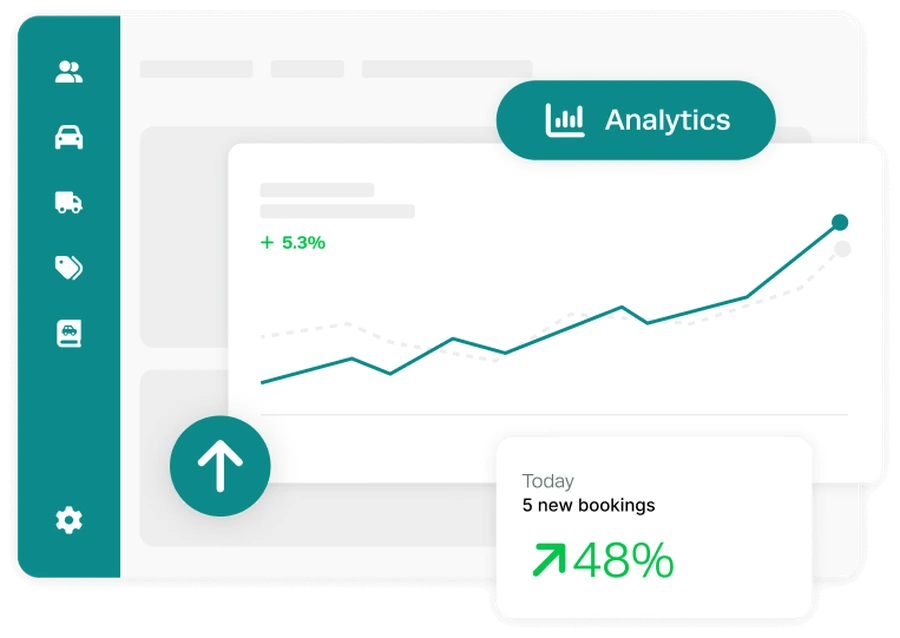
The pricing model is one part of that strategy. It could charge per location, per user, by usage, or through a combination. Packaging determines which capabilities belong together. Billing frequency determines when customers pay. Discounts, onboarding fees, renewal terms, and support commitments complete the offer.
Keep these decisions separate. A company can offer three feature packages, charge each per location, bill monthly, and sell additional messaging usage. Calling the entire arrangement “tiered pricing” leaves important questions unanswered.
Strong SaaS model pricing connects the bill to something customers recognize as valuable. For a repair business, that might be operating another shop with shared reporting. Counting every login could be simpler technically, but it may discourage the technician participation your product needs.
Start With Shop Segments and Buying Decisions
Interview different types of repair businesses before setting prices. A single-location general repair shop, a specialist service center, and a regional group can need different workflows even when they process similar numbers of vehicles.
Ask owners to describe their last software purchase. Who approved the budget? Which information did they need? What made switching difficult? Request examples of missed appointments, duplicated data entry, delayed approvals, and reporting problems. These conversations reveal purchasing criteria more reliably than asking whether your proposed price sounds reasonable.
Separate the economic buyer from daily users. The owner may care about margin visibility, while the service advisor cares about estimates and the technician cares about inspections. Your offer should explain benefits for each role without turning the pricing table into a feature encyclopedia.
Document your positioning before naming plans. Consistent brand identity design can help a specialized product communicate credibility, especially when customers are evaluating whether to trust you with operational records.
Choose a Pricing Metric That Fits Repair Shop Operations
Per-Location Pricing
A location-based subscription charges for each operating shop. It can provide a predictable monthly expense and let multiple employees collaborate without individual license calculations. Define what qualifies as a location, including satellite facilities, mobile units, and temporary service points.
The main challenge is variation within a location. A small operation and a busy facility may create different support and infrastructure costs. You can address that through packages or clearly defined usage allowances rather than quietly imposing unexpected restrictions.
Per-User Pricing
Per-user pricing can suit products where each additional employee receives independent value. However, workshop teams may need technicians, advisors, managers, bookkeepers, and owners to participate. Charging equally for every role can create resistance.
If you choose seats, distinguish full operational access from limited reporting or administrative access. Specify how temporary employees, inactive accounts, and staff transfers affect billing. Avoid arrangements that encourage shared credentials, which weaken accountability and complicate access management.
Usage-Based Pricing
Usage charges can reflect measurable consumption, such as text messages or document processing. Choose a unit customers can predict and independently verify. Counting repair orders may appear intuitive, but owners could experience it as a penalty for operating successfully.
Before launching usage-based billing, define how events are counted, corrected, displayed, and disputed. Include alerts and an understandable invoice breakdown. A metric that requires customers to build a spreadsheet every month will create avoidable support work.
Hybrid Pricing
A hybrid approach combines a recurring platform fee with a limited number of variable charges. For example, a location subscription might include the main workflow and a messaging allowance, with disclosed overages above that allowance.
Start with the smallest number of billing dimensions you can justify. Your SaaS model pricing strategy becomes harder to explain when customers must multiply locations, seats, vehicles, integrations, storage, and messages before they can estimate the bill.
Package Features Around a Complete Workflow
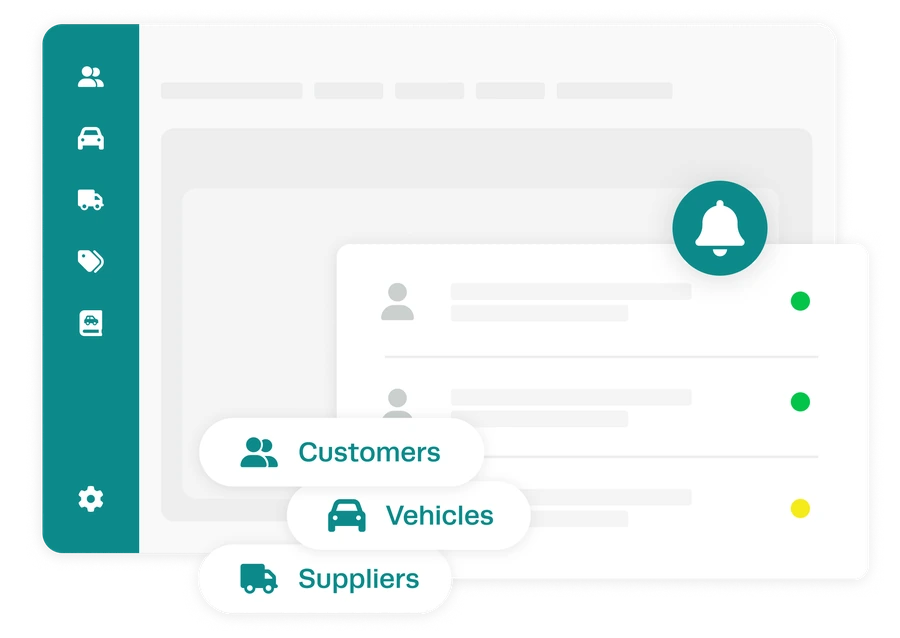
An entry plan should let its intended customer finish a useful job. If a shop can create estimates but cannot obtain approval or issue an invoice, the low headline price may hide an incomplete product.
Reserve higher packages for capabilities that serve a different level of operational complexity. Examples include advanced reporting, automated follow-up workflows, consolidated oversight, or specialized integrations. Decide these boundaries through customer research and delivery economics rather than copying a competitor’s feature grid.
Explain outcomes beside features. “Multi-location reporting” becomes more useful when buyers understand they can compare performance across shops. “Customer communication” needs a clear explanation of supported channels and any separate charges.
Use basic design elements to create hierarchy in your comparison table. Give plan names, prices, billing units, and primary actions consistent positions. The principles in this UX design guide are helpful when testing whether visitors can compare plans without assistance.
Calculate an Initial Price From Costs and Customer Value
Begin with a cost floor, then investigate willingness to pay. Estimate hosting, third-party services, onboarding labor, ongoing support, and payment-related expenses you actually absorb. Include costs that grow with a shop’s activity, not just your cloud invoice.
Contribution margin is subscription revenue minus the variable costs of serving that subscription. It differs from total company profit because product development, management, and other overhead still need funding. A positive contribution margin is necessary for many models, but it does not prove the business is sustainable.
Next, build a value hypothesis with customers. If your software reduces administrative time, measure the workflow before and after implementation. If it helps shops recover previously missed work, distinguish observed results from optimistic sales claims.
Avoid treating all time savings as cash savings. An employee who saves an hour may use that time on other tasks rather than reduce payroll. Pricing conversations should recognize that difference and explain the specific operational benefit.
Finally, compare competing offers on a common basis. Check locations, included users, required add-ons, setup, support, contract length, and payment arrangements. Another vendor’s advertised starting price is a reference point, not evidence of what your own customers will pay.
A Worked Example With Clearly Labeled Assumptions
Consider a fictional company called BayFlow. The figures below are planning assumptions, not market benchmarks or actual vendor prices. BayFlow is testing a Growth plan at $299 per location per month.
Assume variable delivery costs average $75 per subscribed location each month. The resulting contribution is $224, calculated as $299 minus $75. Contribution margin is approximately 74.9%, calculated as $224 divided by $299. That amount must still help cover acquisition costs, product development, overhead, and profit.
If acquiring a new location costs $1,120, the simplified acquisition payback period is five months, calculated as $1,120 divided by $224. This assumes immediate full payment, stable costs, and no early cancellation. Real cash payback can differ because implementation, discounts, collection delays, and churn affect the result.
Now assume onboarding requires six staff hours at an internal cost of $40 per hour. That adds $240 before the customer reaches normal operations. BayFlow can test a disclosed setup fee, an annual commitment, or a lower-cost onboarding process. Hiding that work does not remove its cost.
These calculations help screen an offer before launch. They do not establish the final price. BayFlow still needs evidence that its target shops understand the package, adopt the workflow, and remain customers after the initial implementation period.
Copy This SaaS Pricing Model Template
Use the following worksheet before building your public pricing table. Replace every placeholder with a specific rule. The phrase “company name SaaS pricing model” is useful here as a template label: insert your actual company name rather than treating it as a product category.
| Decision | Template entry |
|---|---|
| Company and product | [Company Name], [workshop software product] |
| Target customer | [Shop type], [locations], [main operational problem] |
| Primary billing unit | [Per location, per user, or another defined unit] |
| Core package | [Complete workflow and included capabilities] |
| Price and billing term | [$ amount], [monthly or annual], [currency] |
| Included usage | [Allowance], [measurement method], [reset date] |
| Additional charges | [Overages, setup, optional modules, applicable taxes] |
| Customer protections | [Alerts, spending controls, dispute process] |
| Commercial terms | [Renewal, cancellation, export, and refund rules] |
| Validation plan | [Hypothesis], [customer segment], [decision date] |
Keep a private version with cost assumptions and a customer-facing version with commercial details. Assign an owner and revision date to both. Sales, billing, support, and product teams should work from the same approved offer.
Design a Pricing Page Buyers Can Understand
Place the billing unit next to the price. “$299 per location per month” communicates more than “From $299.” If an annual option requires an upfront payment, show the total annual commitment alongside any monthly equivalent.
Use a comparison table for differences that change a purchasing decision. Put detailed technical limits in an accessible section below it. Label custom quotes clearly, and explain which customer circumstances trigger a conversation with sales.
A restrained website color scheme can make the primary action easy to find. Review these modern color scheme examples for visual direction, then check that pricing details remain legible on mobile.
Build a focused demo request form that asks only for information your sales team needs. These WordPress contact form plugins offer options for implementing that flow. Make the next step explicit, including whether visitors are booking a demonstration or starting a paid subscription.
Handle Annual Plans, Trials, and Onboarding Carefully
Annual billing can improve cash collection, but discounts reduce the revenue available to serve each customer. Model the economics before selecting a percentage. Explain renewal timing and the consequences of canceling during an annual term.
Choose a trial format that reflects implementation effort. A guided pilot may suit shops that need data migration and staff training. A self-service trial may work when buyers can experience the core workflow with sample data.
Define success before a pilot begins. The shop might need to complete an estimate, obtain customer approval, finish an inspection, and produce an invoice. Record who will perform each step and what support is included.
Keep cancellation and data export instructions accessible. Clear exit terms reduce uncertainty during purchase and give support a consistent process when a customer leaves. Have the relevant commercial and legal terms reviewed for your actual offer.
Run a Pricing Strategy Workshop With Your Team
Bring product, sales, support, finance, and implementation representatives together. Before the session, share customer interview notes, current package details, cost estimates, and anonymized reasons for lost deals. A workshop without evidence tends to reward the strongest opinion.
Use the first discussion to agree on the target segment and the customer’s buying problem. Then compare two or three billing metrics against predictability, value alignment, administrative effort, and expansion potential. Record disagreements as questions to investigate.
Build one proposed offer and test it against realistic scenarios. Include a small shop, a busy single location, and a growing group. Calculate their invoices, identify confusing rules, and check whether any restriction discourages useful adoption.
End with a written decision, an experiment owner, and a review date. The output should be a testable offer and a short list of unresolved assumptions, not a permanent pricing policy based on one afternoon’s discussion.
Test Pricing Without Losing the Operational Context
Start by testing comprehension. Ask prospective buyers to estimate their first invoice and explain which plan fits their shop. Misunderstanding the billing unit is a reason to improve the offer before measuring conversion.
For a live pilot, track acquisition source, shop size, plan, discount, onboarding effort, activation, support demand, and retention. Compare similar customer groups. A higher conversion rate can conceal weaker customer fit or expensive service requirements.
Small samples create uncertainty. Treat early outcomes as directional evidence and include qualitative feedback. Avoid declaring a winner because one prospect accepted a premium offer or one existing customer rejected an increase.
If your marketing site uses WordPress, test changes on a WordPress staging site. Review mobile layout, forms, confirmation emails, and checkout before publishing. Follow a safe WordPress update process when the experiment requires plugin or theme changes.
Keep Search Traffic and Measurement Useful
Match the page to buyer intent. A pricing page should answer commercial questions, while a strategy article can explain how pricing works. Link between them when the relationship helps the reader, and avoid publishing multiple pages that repeat the same thin comparison.
Use this landing page SEO guide to improve structure and relevance. Appropriate WordPress SEO plugins can help manage metadata, while this guide to appearing in Google Search covers discoverability basics.
Measurement also depends on implementation quality. A slow comparison page or broken form can distort conclusions about price sensitivity. Review ways to speed up a WordPress website and include commercial pages in your routine website maintenance.
Build a Launch Checklist for Billing and Support
Before releasing a new offer, create test accounts that represent common customer situations. Generate an invoice for a single location, a second location added midcycle, an annual subscriber, and a customer exceeding an included allowance. Check calculations against the written offer rather than assuming the billing configuration is correct.
Decide how upgrades and downgrades take effect. If you prorate charges, show the customer an understandable preview. If a downgrade removes a capability, explain what happens to existing data and whether the customer needs to export anything first.
Test payment failures and account recovery. A repair shop may depend on access during business hours, so decide how reminders, grace periods, restricted access, and support escalation work. Make these rules visible before they become an urgent conversation with a customer.
Prepare support examples using realistic questions. An advisor should be able to explain why an invoice changed, which usage generated an overage, and how a shop can control future spending. A clear internal explanation often reveals gaps in the public pricing page.
Protect the marketing site before changing pricing tables, subscription forms, or related configuration. These WordPress backup plugins can support your website recovery process. Separately, plan rollback for billing configuration and preserve customer entitlements; restoring a website backup does not reverse invoices or payment transactions.
Finally, assign one person to reconcile the first billing cycle. Compare advertised terms, signed orders, provisioned access, usage records, and issued invoices. Fix discrepancies at their source and document the correction so the same exception does not spread across future accounts.
When Should You Hire SaaS Pricing Consultants?
SaaS pricing consultants can help when research, packaging, or migration decisions exceed your team’s experience. Consider outside support when you have conflicting customer segments, difficult legacy contracts, or an unclear relationship between usage and service cost.
Ask prospective consultants how they would research repair shops specifically. Request a sample deliverable, a proposed interview approach, and an explanation of how they handle uncertain data. An engagement should produce decisions your team can implement.
Define ownership of the research, the financial model, the rollout plan, and follow-up analysis. Avoid evaluating consultants solely by a promised revenue increase. Results depend on product value, execution, market conditions, and customer behavior.
Useful Resources for Building Your Model
Stripe Recurring Pricing Documentation
Stripe’s documentation distinguishes flat-rate, per-seat, tiered, and usage-based subscription structures. Use it to check how a proposed commercial model could translate into billing rules. Select the customer-facing approach before choosing the implementation details.
Workshop Software’s Official Pricing Page
Review a real workshop software offer to see which details a buyer needs to compare. Check the region and currency before using any figure. Treat vendor pages as research inputs and verify current inclusions directly instead of copying their packages.
SaaS Pricing Best Practices for a Sustainable Rollout
Write down the effective date and eligibility rules for every offer. Give sales representatives clear discount boundaries. Record exceptions so finance and support can explain the invoice without reconstructing a conversation from several months earlier.
For existing customers, separate a price change from a forced product migration where possible. Explain what changes, when it changes, and what options customers have. Review notice obligations in your contracts before sending announcements.
Monitor complaints and account health alongside revenue. A model that produces more revenue while causing customers to reduce useful adoption may create future retention problems. Your strongest SaaS pricing best practices are those that keep the offer understandable as the product evolves.
Keep an offer history so you can distinguish a new package from a temporary promotion. Include the customer segment, assumptions, evidence reviewed, and reasons for the decision. When a future team revisits the model, that record helps it understand whether the original logic still applies. It also prevents an exception negotiated for one account from becoming an accidental promise to every prospect. Pricing governance can stay lightweight as long as ownership, eligibility, and approval rules remain clear.
FAQs About SaaS Pricing Strategy Workshop Management Software
What is the best pricing model for workshop management software?
There is no universal winner. Per-location pricing is a useful starting hypothesis when many employees collaborate within one shop. Validate it against customer expectations, location size, delivery costs, and the capabilities you include.
Should a startup publish prices?
Publish enough information for the intended buyer to understand the offer and likely commitment. If complex implementations require a quote, explain why and disclose the factors that affect cost. A generic “contact sales” label provides little guidance.
How often should a SaaS company review pricing?
Review assumptions when customer segments, product value, or service costs change. Schedule internal reviews, but avoid changing customer prices automatically at every review. Distinguish continuous learning from the separate decision to revise commercial terms.
Conclusion
A workable SaaS pricing strategy workshop management software connects shop operations, customer value, and delivery economics. Choose a clear billing unit, package a complete workflow, and make the total commitment visible.
Use the template to document your assumptions, test the offer with real shops, and improve the model as evidence develops. The objective is a price customers understand and a business your team can support consistently.
Read More: 9+ Best Free Inbound Link Checker Tools
Contact US | ThimPress:
Website: https://thimpress.com/
Fanpage: https://www.facebook.com/ThimPress
YouTube: https://www.youtube.com/c/ThimPressDesign
Twitter (X): https://x.com/thimpress_com